
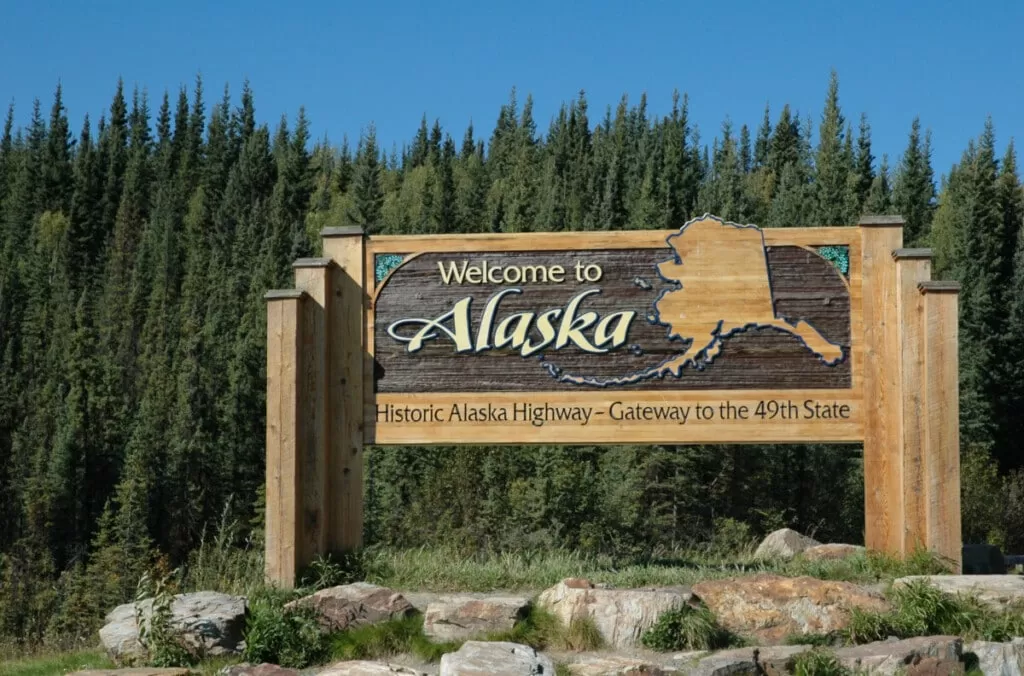
Alaska, the largest state in the United States, is known for its breathtaking landscapes, diverse wildlife, and extreme weather conditions. It is a land of contrasts, with long summer days and dark winter nights, bustling cities and remote wilderness. With its unique charm and natural beauty, it’s no wonder that many people dream of calling Alaska their home. However, like any other place, living in Alaska has its own set of pros and cons. In this article, we will explore ten pros and cons of living in Alaska to help you gain valuable insights on this unique state.
Pros:
1. Stunning Scenery: Alaska is a paradise for nature lovers. It is home to some of the most beautiful and untouched landscapes in the world. From snow-capped mountains to vast glaciers, and from lush forests to crystal-clear lakes, Alaska’s scenery is simply breathtaking. Living in Alaska means having access to these stunning views every day.
2. Outdoor Activities: With its vast wilderness, Alaska offers endless opportunities for outdoor activities. Whether you enjoy hiking, fishing, skiing, or kayaking, there is something for everyone in this state. The abundance of wildlife also makes it a perfect place for hunting and wildlife viewing. Living in Alaska means having a playground right at your doorstep.
3. Low Crime Rate: Alaska has one of the lowest crime rates in the United States. The tight-knit communities and the strong sense of community make it a safe place to live. People in Alaska are known for their friendly and helpful nature, making it a welcoming place for newcomers.
4. No State Income Tax: One of the biggest advantages of living in Alaska is that it has no state income tax. This means that you get to keep more of your hard-earned money. The cost of living may be higher in some areas, but the absence of state income tax helps to balance it out.
5. Strong Economy: Alaska’s economy is mainly driven by its abundant natural resources, such as oil, gas, and seafood. The state also has a thriving tourism industry, which contributes significantly to its economy. The strong economy provides ample job opportunities, making it an attractive place for job seekers.
6. Unique Culture: Alaska has a rich and diverse culture, influenced by its indigenous communities and immigrants from all over the world. The state celebrates its cultural diversity through various festivals and events, giving residents a chance to experience different traditions and customs.
7. Adventure and Excitement: Living in Alaska is an adventure in itself. The extreme weather conditions, the rugged terrain, and the remote locations make it an exciting place to live. There is always something new to discover and explore in this vast and wild state.
8. Strong Sense of Community: The harsh living conditions in Alaska bring people together, creating a strong sense of community. Neighbors look out for each other, and people are always willing to lend a helping hand. This sense of community makes living in Alaska feel like being part of a big family.
9. Health Benefits: Alaska is known for its clean air and water, making it a healthy place to live. The abundance of outdoor activities also encourages a healthy and active lifestyle. In addition, the state has a low population density, which means less exposure to contagious diseases.
10. Unique Lifestyle: Living in Alaska means living a unique and unconventional lifestyle. The long summer days and dark winter nights, the extreme weather conditions, and the remote locations all contribute to a way of life that is unlike anywhere else in the world. It is a lifestyle that is not for everyone, but for those who embrace it, it can be incredibly rewarding.
Cons:
1. Extreme Weather: Alaska is known for its harsh and unpredictable weather conditions. Winters can be long and brutal, with temperatures dropping well below freezing. Summers, on the other hand, can be short and mild. The extreme weather can make it challenging to adjust for those who are not used to it.
2. High Cost of Living: The cost of living in Alaska can be higher than in other states. The remote location and the need to import many goods contribute to the higher prices. Housing, groceries, and utilities can be more expensive, making it challenging for some people to afford.
3. Limited Job Opportunities: While Alaska’s economy is strong, the job market can be limited, especially in remote areas. Most job opportunities are concentrated in the major cities, making it difficult for those living in rural areas to find employment.
4. Isolation: