
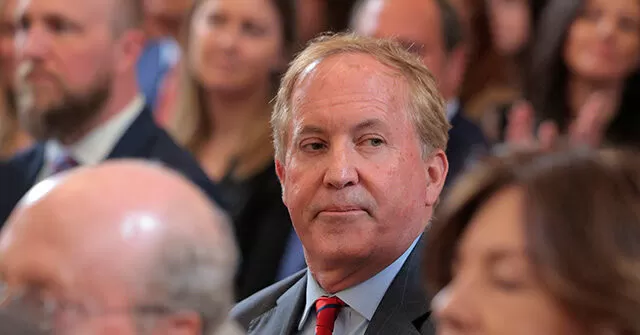
Texas Attorney General Ken Paxton is facing legal challenges from five district attorneys in his state over a controversial rule that has been deemed as targeting “rogue” prosecutors. The rule, which was implemented by Paxton’s office, has sparked a heated debate among legal experts and has led to a series of lawsuits against the Attorney General.
The rule in question, known as the “Prosecutor’s Code of Conduct,” was introduced by Paxton’s office in November 2020. It requires all prosecutors in Texas to disclose any potential conflicts of interest in cases they handle, including any financial ties to the defendants or their attorneys. The rule also prohibits prosecutors from accepting gifts or donations from individuals or entities involved in their cases.
While the rule may seem like a common-sense measure to ensure fairness and impartiality in the justice system, it has faced strong opposition from some district attorneys in Texas. These prosecutors argue that the rule is an attack on their independence and undermines their ability to do their jobs effectively.
The five district attorneys who have filed lawsuits against Paxton’s office are from some of the largest counties in Texas, including Dallas, Harris, and Travis. They claim that the rule is unconstitutional and violates their rights as elected officials. They also argue that the rule is unnecessary, as there are already existing laws and ethical guidelines in place to prevent conflicts of interest.
In response to the lawsuits, Paxton’s office has defended the rule, stating that it is necessary to prevent “rogue” prosecutors from abusing their power and potentially causing wrongful convictions. The Attorney General’s office has also argued that the rule is in line with the American Bar Association’s Model Rules of Professional Conduct, which serve as a guide for ethical behavior for lawyers.
The lawsuits against Paxton have sparked a larger debate about the role of district attorneys and their relationship with the Attorney General’s office. Some legal experts believe that the rule is a necessary step towards ensuring accountability and transparency in the justice system. Others argue that it is an overreach of power by the Attorney General and could potentially hinder the ability of prosecutors to effectively do their jobs.
Despite the controversy surrounding the rule, there is no denying that it has brought attention to an important issue within the justice system. The role of prosecutors is crucial in upholding justice and protecting the rights of all individuals, and it is essential that they are held to the highest ethical standards.
In light of the lawsuits, it is encouraging to see that there are district attorneys who are willing to stand up for their independence and fight against what they see as an unjust rule. This shows a commitment to upholding the principles of fairness and justice, even in the face of opposition.
It is also important to note that the rule has received support from some legal organizations and advocacy groups. The Texas Criminal Defense Lawyers Association has expressed their support for the rule, stating that it will help prevent conflicts of interest and promote fairness in the justice system.
In the end, the outcome of these lawsuits will have a significant impact on the justice system in Texas. It is crucial that the rule is thoroughly examined and its potential implications are carefully considered. The goal should be to find a balance between ensuring fairness and protecting the independence of district attorneys.
In conclusion, the lawsuits against Texas Attorney General Ken Paxton over the “Prosecutor’s Code of Conduct” rule have sparked a necessary debate about the role of prosecutors and their relationship with the Attorney General’s office. While the rule may have faced opposition, it has also received support from legal organizations and highlights the importance of upholding ethical standards in the justice system. It is now up to the courts to carefully consider the arguments and make a decision that will ultimately benefit the justice system in Texas.