
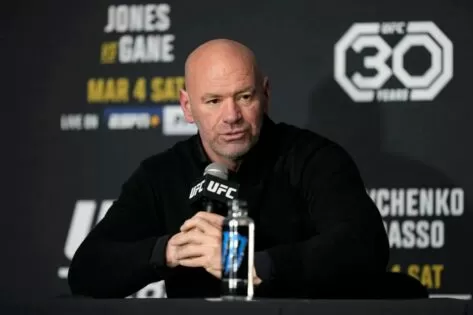
Mixed Martial Arts (MMA) has been on a steady rise in popularity over the past decade, thanks to the efforts of the Ultimate Fighting Championship (UFC) and its president, Dana White. However, recent developments have raised concerns about the future of the sport. In an interview with ESPN’s Ariel Helwani, UFC veteran Eddie Alvarez stated that “MMA is in a recession,” and warned that the UFC’s slowdown could have a ripple effect on the entire sport.
Alvarez’s comments come at a time when the UFC is facing several challenges. The ongoing COVID-19 pandemic has forced the organization to cancel or postpone several events, resulting in a significant loss of revenue. Additionally, the recent retirements of high-profile fighters such as Khabib Nurmagomedov and Conor McGregor have left a void in the promotion’s star power.
But perhaps the biggest concern for MMA fans and fighters alike is the lack of competition for the UFC. As Helwani pointed out, there is no true alternative to the behemoth that is the UFC. While there are other promotions such as Bellator and ONE Championship, none of them have been able to match the UFC’s global reach and star power.
This dominance of the UFC is largely due to the vision and relentless efforts of Dana White. Often referred to as the “architect” or “adoptive father” of modern MMA, White has played a crucial role in the growth of the sport. He has been instrumental in securing lucrative TV deals, expanding the UFC’s international presence, and signing some of the biggest names in the sport.
However, as Alvarez pointed out, the UFC’s slowdown could have a ripple effect on the entire sport. With the UFC being the only major player in the MMA world, any downturn in its fortunes could have a significant impact on the sport as a whole. This is a cause for concern not just for fighters and fans, but also for the UFC’s competitors.
Despite the challenges and concerns, there is still hope for the future of MMA. The UFC still boasts a strong roster of talented fighters, including the likes of Jon Jones and Sean O’Malley. These fighters have the potential to become the next big stars of the sport and keep the UFC at the top. Additionally, the UFC has plans to expand into new markets, such as Africa and the Middle East, which could bring in new fans and revenue streams.
Moreover, the UFC has shown resilience in the face of adversity before. In its early days, the promotion faced numerous challenges, including being banned in several states and facing criticism from politicians and media outlets. But through hard work and perseverance, the UFC overcame these obstacles and became a global powerhouse in the world of combat sports.
The UFC’s success has also had a positive impact on the sport of MMA as a whole. The promotion’s success has brought greater attention and legitimacy to the sport, leading to the growth of other promotions and the emergence of new talent. This has created a healthy ecosystem for MMA, where fighters have more options and opportunities to showcase their skills and earn a living.
In conclusion, while there may be concerns about the UFC’s slowdown and the lack of competition in the MMA world, it is important to remember that the sport has come a long way and has a bright future ahead. The UFC’s dominance may seem like a double-edged sword, but it has also played a crucial role in the growth and success of MMA. With the right strategies and a bit of luck, the UFC can overcome its current challenges and continue to thrive, ensuring the growth and success of MMA for years to come.