
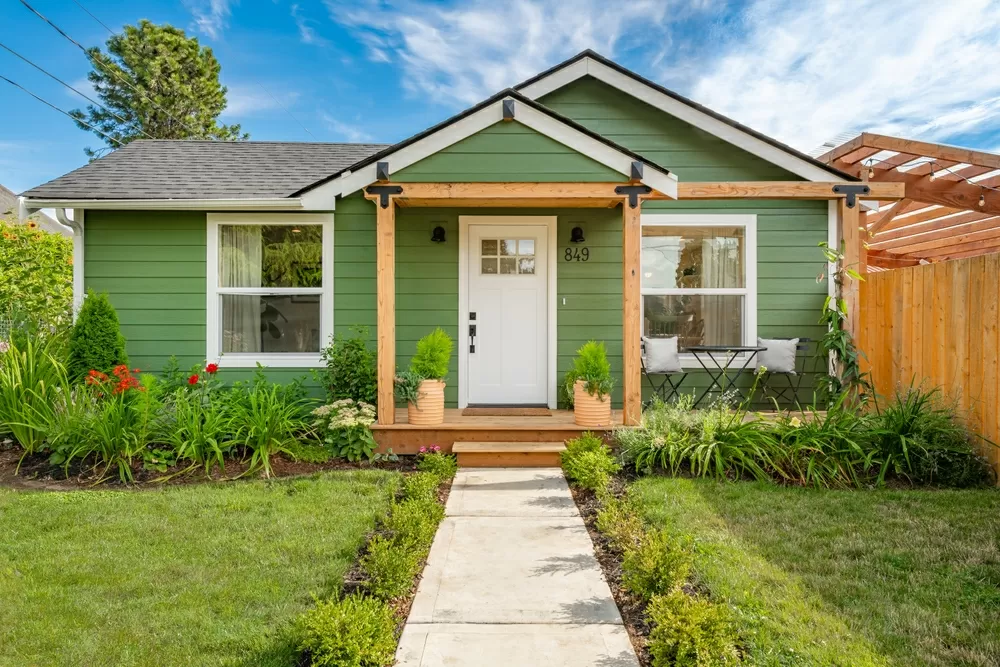
Your Guide to Starter Homes in Today’s Housing Market: Do They Still Exist?
If you’re a first-time homebuyer, the thought of purchasing your first place can be both exciting and overwhelming. With so many options available in the housing market, it can be challenging to determine which type of home is the best fit for your budget and lifestyle. One option that has been popular among first-time buyers for decades is the starter home.
A starter home is typically the most affordable type of house that a first-time buyer can purchase. These homes are usually smaller in square footage and come with a price tag that’s easier to manage. They serve as a launchpad into the world of real estate ownership and have been a stepping stone for many homeowners to eventually move up to their dream home.
But with the ever-changing landscape of the housing market, many people are left wondering if starter homes still exist. In this guide, we’ll explore the current state of starter homes and whether they are still a viable option for first-time buyers.
The Evolution of Starter Homes
In the past, starter homes were the go-to option for first-time buyers. They were typically small, modest homes that were affordable for those just starting out in their careers. These homes were often located in suburban areas and were seen as a temporary residence until the homeowner could afford to upgrade to a larger, more expensive home.
However, over the years, the concept of starter homes has evolved. With rising housing prices and changing demographics, the definition of a starter home has shifted. Today, starter homes can range from small condos and townhouses to single-family homes in more affordable neighborhoods.
Do Starter Homes Still Exist?
The short answer is yes, starter homes do still exist. However, they may not be as prevalent as they once were. According to a recent report by Redfin, the number of starter homes on the market has decreased by 23.6% since 2012. This decline can be attributed to a variety of factors, including rising housing prices and a shortage of inventory in many areas.
Despite this decrease, starter homes are still a viable option for first-time buyers. In fact, they make up a significant portion of the housing market, with 42% of homes sold in 2020 being considered starter homes. This shows that there is still a demand for these types of homes, and they continue to be a popular choice for first-time buyers.
Benefits of Purchasing a Starter Home
There are many benefits to purchasing a starter home, especially for first-time buyers. Here are a few reasons why you should consider a starter home as your first step into homeownership:
1. More Affordable
One of the most significant advantages of a starter home is its affordability. These homes are typically priced lower than larger, more expensive homes, making them a more attainable option for first-time buyers. This can be especially beneficial for those who are just starting out in their careers and may not have a large budget for a home.
2. Opportunity for Equity
By purchasing a starter home, you have the opportunity to build equity over time. As you make mortgage payments and the value of your home increases, you can potentially sell it for a profit and use that money towards a larger home in the future. This can be a great way to build wealth and move up the property ladder.
3. Lower Maintenance Costs
Starter homes are often smaller in size, which means they come with lower maintenance costs. This can be a significant advantage for first-time buyers who may not have the budget for unexpected repairs or renovations. Additionally, smaller homes are easier to maintain, making them a more manageable option for those who are new to homeownership.
4. Ideal for Young Professionals
Starter homes are often located in up-and-coming neighborhoods that are popular among young professionals. These areas offer a vibrant community, access to amenities, and a shorter commute to work. For those who are just starting their careers, a starter home in a desirable location can be the perfect fit.
5. Potential for Rental Income
If you decide to upgrade to a larger home in the future, you can use your starter home as a rental property. This can provide you with a steady stream of income and help you pay off your mortgage faster. It can also be a great option for those who want to hold onto their starter home as an investment property.
In Conclusion
Starter homes may not be as prevalent as they once were, but they are still a