
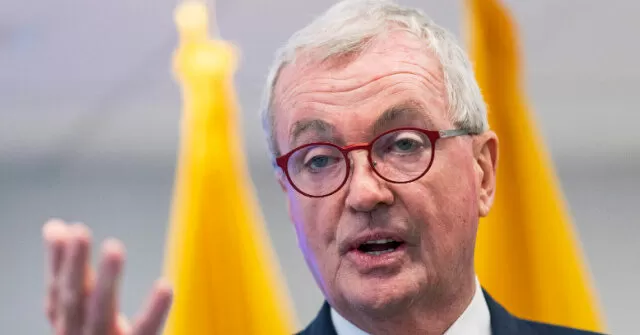
In a bold move, the Democrat governor of New Jersey, Phil Murphy, has recently ordered all police departments in the state to stop cooperating with immigration officials. This decision has been met with both support and criticism, but one thing is for sure – it has sparked a nationwide conversation about immigration policies and the role of local law enforcement.
Governor Murphy’s executive order, which was signed on Friday, prohibits state, county, and local law enforcement agencies from entering into agreements with Immigration and Customs Enforcement (ICE) that deputize officers to act as federal immigration agents. This means that police officers in New Jersey will no longer be allowed to ask about immigration status, detain individuals based on immigration status, or participate in immigration raids.
This move comes in response to the Trump administration’s aggressive policies on immigration, which have caused fear and uncertainty amongst immigrant communities. Governor Murphy has made it clear that this executive order is about protecting the rights and safety of all New Jersey residents, regardless of their immigration status.
In a statement, Governor Murphy said, “This executive order will draw a clear line in the sand between local law enforcement and federal immigration enforcement, and will ensure that New Jersey’s limited resources are focused on keeping our communities safe.”
This decision has been widely praised by immigrant rights advocates, who have long been pushing for more protections for undocumented immigrants. Many see this as a step in the right direction towards creating more inclusive and welcoming communities for all residents, regardless of their background.
However, not everyone agrees with the governor’s decision. Some critics argue that this order will make it difficult for law enforcement to effectively do their jobs and could even put the safety of citizens at risk. They argue that without cooperation with ICE, dangerous criminals who are in the country illegally could slip through the cracks and continue to pose a threat to the community.
But Governor Murphy has assured the public that this executive order will not hinder law enforcement’s ability to keep communities safe. In fact, studies have shown that when local police are involved in enforcing immigration laws, it can actually lead to a breakdown of trust between the community and law enforcement. This can make it more difficult for officers to effectively do their jobs and can also discourage victims and witnesses from coming forward, out of fear of being deported.
Furthermore, this executive order aligns with New Jersey’s values of diversity and inclusivity. The state has a long history of welcoming immigrants and embracing diversity, and this decision only strengthens that commitment.
Governor Murphy’s order has also received support from local officials, including Newark Mayor Ras Baraka, who stated, “This is a historic moment for Newark, for New Jersey, and for the entire nation. We are standing up for our residents, regardless of their immigration status, and sending a clear message that we will not be complicit in the unjust and inhumane policies of the federal government.”
Overall, Governor Murphy’s decision to order local police to stop cooperating with immigration officials is a bold and necessary step towards creating a more inclusive and welcoming community for all New Jersey residents. It sends a powerful message that the state will not stand for the unjust and inhumane treatment of immigrants and will prioritize the safety and well-being of all its residents. Let us hope that other states will follow suit and take a stand for the rights and dignity of all individuals, regardless of their immigration status.