
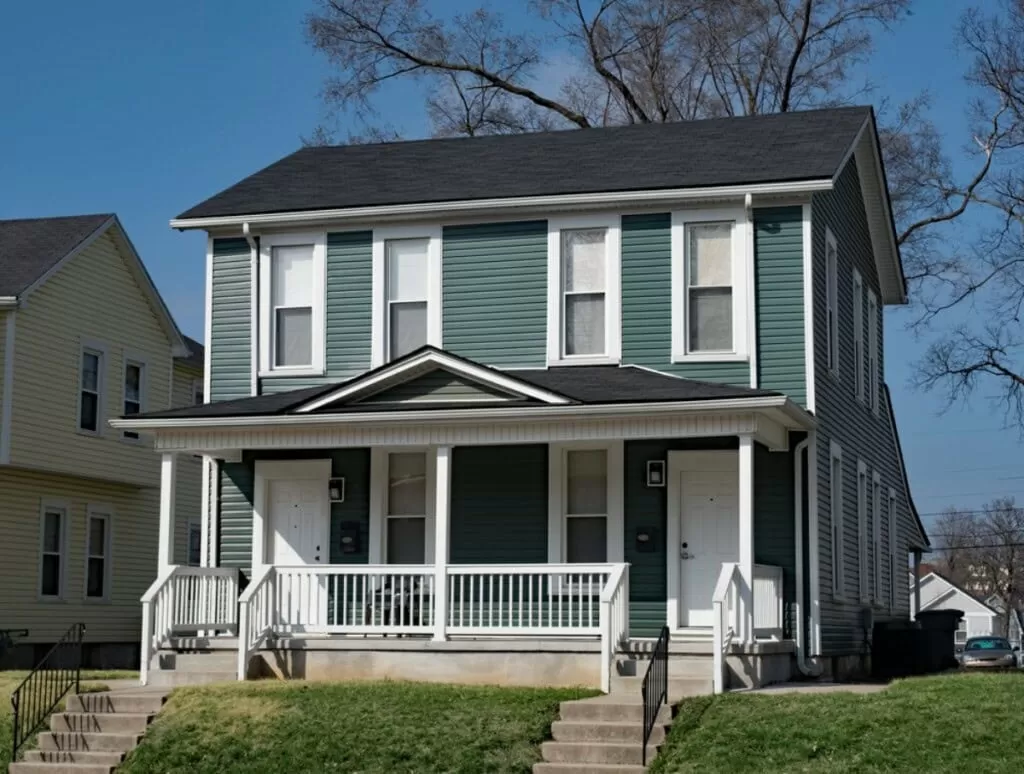
Managing a rental property out of state can seem like a daunting task, but with the right approach and mindset, it can be a lucrative investment opportunity. As the real estate market continues to grow and evolve, more and more people are turning to long distance landlordship as a way to diversify their portfolio and generate passive income. However, like any investment, there are pros and cons to consider before taking the leap. In this article, we will explore the benefits and challenges of managing a rental property out of state and provide tips on how to successfully navigate this venture.
Pros of Managing a Rental Property Out of State
1. Increased Rental Demand
One of the biggest advantages of owning a rental property out of state is the potential for increased rental demand. With the rise of remote work and the ability to work from anywhere, many people are looking to relocate to more affordable areas or areas with a better quality of life. This means that there is a growing pool of potential tenants for your out of state rental property, increasing the likelihood of finding reliable and long-term renters.
2. Diversification of Investment Portfolio
Investing in a rental property out of state allows you to diversify your investment portfolio. By spreading your investments across different locations, you reduce the risk of being affected by a single market’s fluctuations. This can provide stability and security for your overall financial plan.
3. Lower Purchase Prices
In some cases, purchasing a rental property out of state can be more affordable than buying in your local market. This is especially true in areas with a lower cost of living or in up-and-coming neighborhoods. By taking advantage of lower purchase prices, you can potentially increase your return on investment and generate higher profits.
4. Tax Benefits
Owning a rental property out of state also comes with tax benefits. As a landlord, you can deduct expenses such as property taxes, mortgage interest, and maintenance costs from your rental income. This can help reduce your tax liability and increase your overall profits.
Cons of Managing a Rental Property Out of State
1. Distance and Time Constraints
The most obvious challenge of managing a rental property out of state is the distance and time constraints. As a long distance landlord, you may not be able to handle day-to-day tasks such as property maintenance, tenant screenings, and rent collection. This can be especially difficult if you have a full-time job or other responsibilities that require your attention.
2. Difficulty in Building Relationships with Tenants
Building a good relationship with your tenants is crucial for a successful rental property. However, as an out of state landlord, it can be challenging to establish and maintain a personal connection with your tenants. This can lead to communication issues and potential conflicts that may be difficult to resolve from a distance.
3. Higher Property Management Costs
Hiring a property management company to handle the day-to-day operations of your rental property can be costly. This can significantly impact your profits, especially if you have a small number of units. It’s essential to carefully consider the cost of property management when evaluating the financial viability of an out of state rental property.
Tips for Successfully Managing a Rental Property Out of State
1. Research the Local Market
Before investing in a rental property out of state, it’s crucial to thoroughly research the local market. This includes understanding the rental demand, average rental rates, and vacancy rates. It’s also essential to research the neighborhood and its amenities to ensure it will attract potential tenants.
2. Build a Reliable Team
Having a reliable team on the ground is crucial for managing a rental property out of state. This team can include a property management company, real estate agent, handyman, and other professionals who can help with the day-to-day operations of your rental property. It’s essential to thoroughly vet and build a relationship with each member of your team to ensure they have your best interests in mind.
3. Utilize Technology
Technology has made it easier than ever to manage a rental property remotely. There are various property management software and apps available that can help you stay organized and communicate with your tenants and team. These tools can also assist with tasks such as rent collection, maintenance requests, and tenant screenings.
4. Communicate Effectively with Tenants
As an out of state landlord, it’s crucial to establish clear and effective communication with your tenants. This can include setting expectations for how and when they should contact you, providing multiple forms of communication, and responding promptly to any concerns or issues.