
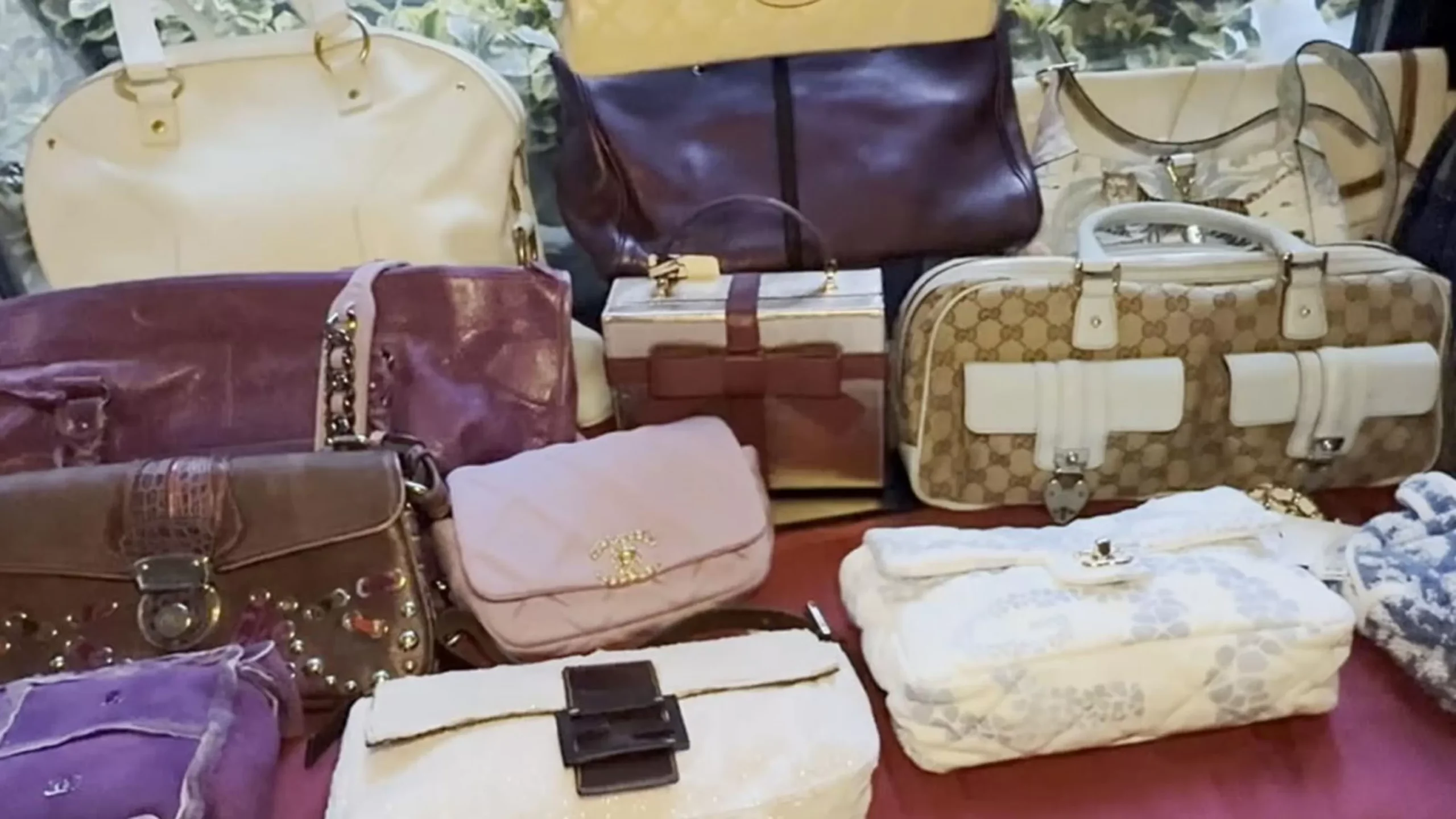
In recent years, there has been a notable shift in the luxury fashion industry as more and more shoppers are turning to vintage and secondhand bags for their fashion fix. This trend has been gaining momentum, with McKinsey predicting that the secondary luxury market will outpace the retail luxury market by 2027. But why exactly are fashion insiders and consumers alike gravitating towards vintage and secondhand bags? Let’s take a closer look at the reasons behind this growing phenomenon.
First and foremost, buying vintage and secondhand bags allows consumers to own a piece of fashion history. These bags have a story to tell and are often associated with iconic fashion moments or influential figures. Owning a vintage bag adds a unique and personal touch to one’s style, making it a true statement piece. It also allows consumers to own a designer bag that may no longer be in production, making it even more exclusive.
Another major factor contributing to the rise in popularity of vintage and secondhand bags is sustainability. With increasing awareness about the negative impact of fast fashion on the environment, more people are looking for ways to shop ethically and reduce their carbon footprint. By choosing to purchase pre-owned bags, consumers are extending the lifespan of a product and preventing it from ending up in landfills. This aligns with the growing trend of conscious consumerism and the desire to make more environmentally-friendly choices.
Moreover, vintage and secondhand bags offer a more affordable option for luxury fashion lovers. With the rising prices of new designer bags, many shoppers are turning to the secondary market to fulfill their desire for high-end fashion without breaking the bank. This also allows consumers to purchase multiple vintage or secondhand bags for the price of one new bag, giving them a wider variety to choose from and express their personal style.
In addition to the financial benefits, vintage and secondhand bags also hold their value well. Unlike fast-fashion items that lose their value quickly, luxury bags tend to retain their value and even appreciate over time. This makes them a smart investment for fashion-savvy shoppers who want to make a statement while also making a sound financial decision.
Furthermore, buying vintage and secondhand bags is a more sustainable option for brands as well. With increasing pressure on the fashion industry to reduce waste and carbon emissions, many luxury brands are embracing circular fashion by encouraging the resale of their products. This not only helps to reduce their environmental impact but also creates a new stream of revenue for the brand.
The rise of e-commerce has also played a significant role in the growth of the secondary luxury market. With the ease and convenience of online shopping, consumers can now access a wide range of vintage and secondhand bags from the comfort of their own homes. This has opened up the market to a global audience, making it easier for fashion lovers to find their dream designer bag.
Moreover, social media has had a significant influence on the popularity of vintage and secondhand bags. Influencers and celebrities are often seen sporting vintage and secondhand designer bags, making them more desirable and sought after. This has also led to a rise in the number of vintage and secondhand bag resellers, providing consumers with a wider variety of options to choose from.
In conclusion, the growing trend of purchasing vintage and secondhand bags is a result of a combination of factors, including a desire for unique pieces, sustainability, affordability, and the rise of e-commerce and social media. This trend is set to continue and even surpass the retail luxury market in the coming years, making it an important and influential aspect of the fashion industry. So next time you’re looking to add a touch of luxury to your wardrobe, consider opting for a vintage or secondhand bag and be a part of the circular fashion movement.