
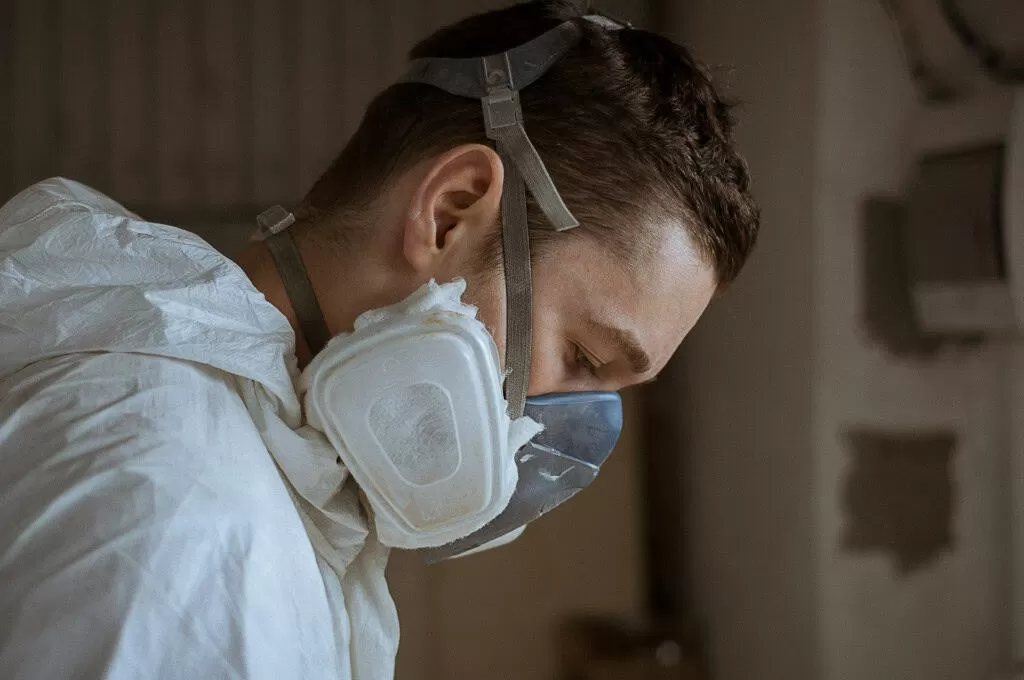
Standard home inspections are an essential part of the home buying process. They provide potential buyers with a comprehensive report on the condition of the property, highlighting any major issues or red flags that may affect their decision. However, one common misconception is that these inspections also include asbestos testing. In reality, most standard home inspections do not include asbestos testing, and it is the responsibility of the buyer to identify and address any potential risks.
So, what exactly is asbestos, and why is it a concern for homeowners? Asbestos is a naturally occurring mineral that was widely used in building materials, such as insulation, flooring, and roofing, until the late 1970s. It was valued for its fire-resistant properties and was commonly found in homes built before this time. However, it was later discovered that asbestos fibers can cause serious health issues, including lung cancer and mesothelioma, when inhaled. As a result, it is now strictly regulated and banned in many countries.
The presence of asbestos in a home does not necessarily mean that it poses an immediate danger. As long as it remains undisturbed and in good condition, it is considered safe. However, when the material begins to deteriorate or is disturbed during renovations or repairs, it can release harmful fibers into the air. This is why it is crucial to identify and address potential asbestos risks in a home before it becomes a health hazard.
As mentioned earlier, standard home inspections do not typically include asbestos testing. The reason for this is that it requires specialized training and equipment to properly identify and test for asbestos. Therefore, it is not within the scope of a general home inspection. This is why it is essential for buyers to be aware of the signs of potential asbestos risks and know when to hire a specialist.
One of the most common areas where asbestos can be found in a home is in insulation. If the insulation is old, damaged, or deteriorating, it may contain asbestos fibers. Other areas to look out for include old linoleum flooring, popcorn ceilings, and HVAC duct insulation. If you notice any of these materials in a home you are considering buying, it is best to have them tested for asbestos.
Another red flag to watch out for is if the home was built before 1980. As mentioned earlier, asbestos was widely used in building materials before this time, so there is a higher chance of it being present in an older home. Additionally, if the home has undergone any renovations or repairs, it is crucial to find out if asbestos was used in the materials used.
If you suspect asbestos in a home, it is best to hire a specialist to conduct a thorough inspection. They will take samples of the materials and send them to a lab for testing. If the results come back positive for asbestos, the specialist will also recommend the best course of action for remediation. It is important to note that not all materials containing asbestos need to be removed. In some cases, encapsulation or sealing off the material may be a more cost-effective and safe solution.
If you are buying a home and asbestos is found during the inspection, do not panic. It does not necessarily mean that you should walk away from the property. Instead, use this information as a negotiating tool to work with the seller on a solution. You can either ask them to remove the asbestos before closing or negotiate a lower price to cover the cost of remediation. The key is to address the issue before moving into the home.
In conclusion, standard home inspections do not typically include asbestos testing, and it is the responsibility of the buyer to identify and address any potential risks. Asbestos can be a serious health hazard, but with proper testing and remediation, it can be managed safely. If you suspect asbestos in a home you are considering buying, do not hesitate to hire a specialist for a thorough inspection. It may cost a little extra, but it could save you from potential health and financial risks in the long run. Remember, a safe and healthy home is always worth the investment.