
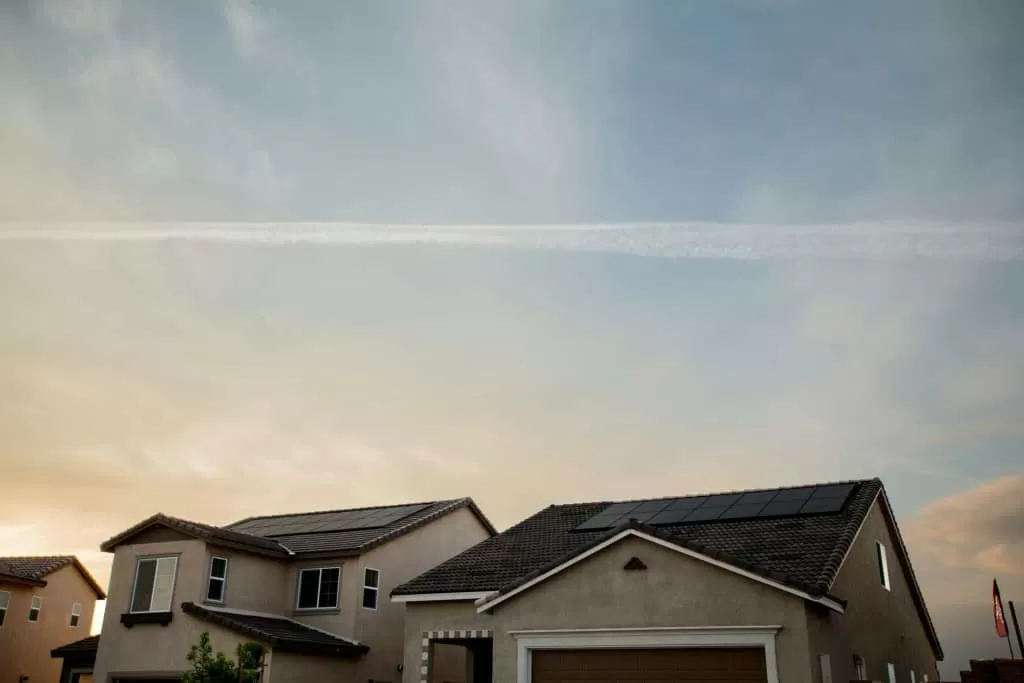
Considering a Home with Solar Panels? Here’s What You Need to Know Before Buying
In recent years, there has been a growing trend towards sustainable living and reducing our carbon footprint. One way to do this is by harnessing the power of the sun through solar panels. As a result, more and more homes are being equipped with solar systems, making them not only environmentally friendly but also potentially more cost-effective in the long run.
If you’re in the market for a new home and are considering one with solar panels, there are a few things you should know before making your decision. In this guide, we’ll explain how solar systems work, the difference between owning and leasing them, and how they can affect your financing, insurance, and future energy bills. By asking the right questions and reviewing the details upfront, buying a solar-equipped home can be a smart move.
1. How do solar systems work?
Solar panels work by converting sunlight into electricity through photovoltaic (PV) cells. These cells are made of silicon and other materials that create an electric field when exposed to sunlight. When sunlight hits the cells, it knocks electrons loose, creating a flow of electricity. This electricity is then sent to an inverter, which converts it into usable energy for your home.
2. Are the solar panels owned or leased?
Before buying a home with solar panels, it’s important to know whether the panels are owned or leased. If they are owned, it means that the previous homeowner has purchased the panels outright and they will be included in the sale of the house. This can be a significant selling point as it means you won’t have to worry about any additional costs or contracts.
On the other hand, if the panels are leased, it means that the previous homeowner has entered into a contract with a solar company to rent the panels. In this case, you will need to take over the lease agreement or negotiate a new one. It’s important to carefully review the terms of the lease, including the length of the contract, monthly payments, and any potential increases in the future.
3. How will solar panels affect financing?
Buying a home with solar panels can have an impact on your financing options. If the panels are owned, they may increase the value of the home and potentially make it more attractive to lenders. However, if the panels are leased, it may be considered a liability and could affect your ability to secure a loan.
It’s important to discuss the details of the solar panels with your lender to understand how it may affect your financing options. They may also be able to provide information on any potential tax credits or incentives for owning solar panels.
4. Will solar panels affect insurance?
Solar panels are a valuable addition to a home, and as such, they may affect your insurance coverage. It’s important to inform your insurance provider about the solar panels and discuss any potential changes to your policy. In some cases, they may require additional coverage to protect the panels from damage or theft.
5. How will solar panels affect energy bills?
One of the main benefits of owning solar panels is the potential savings on energy bills. By generating your own electricity, you can reduce or even eliminate your reliance on the grid. However, if the panels are leased, you will still need to pay a monthly fee to the solar company, which may offset some of the savings.
It’s important to review the previous homeowner’s energy bills to get an idea of the potential savings with the solar panels. You can also ask for an estimate from the solar company to understand the cost of leasing the panels.
6. Are there any warranties or maintenance agreements?
Solar panels are a long-term investment, and it’s important to know if there are any warranties or maintenance agreements in place. If the panels are owned, they may come with a manufacturer’s warranty that covers any defects or malfunctions. If the panels are leased, the solar company may offer a maintenance agreement to cover any necessary repairs or replacements.
7. What is the condition of the solar panels?
Before buying a home with solar panels, it’s important to have them inspected to ensure they are in good working condition. This will give you an idea of their lifespan and any potential maintenance or replacement costs in the future. If the panels are owned, you may also want to ask for the previous homeowner’s maintenance records to understand how well they have been taken care of.
8. Are there any local regulations or restrictions?
Lastly, it’s important to