
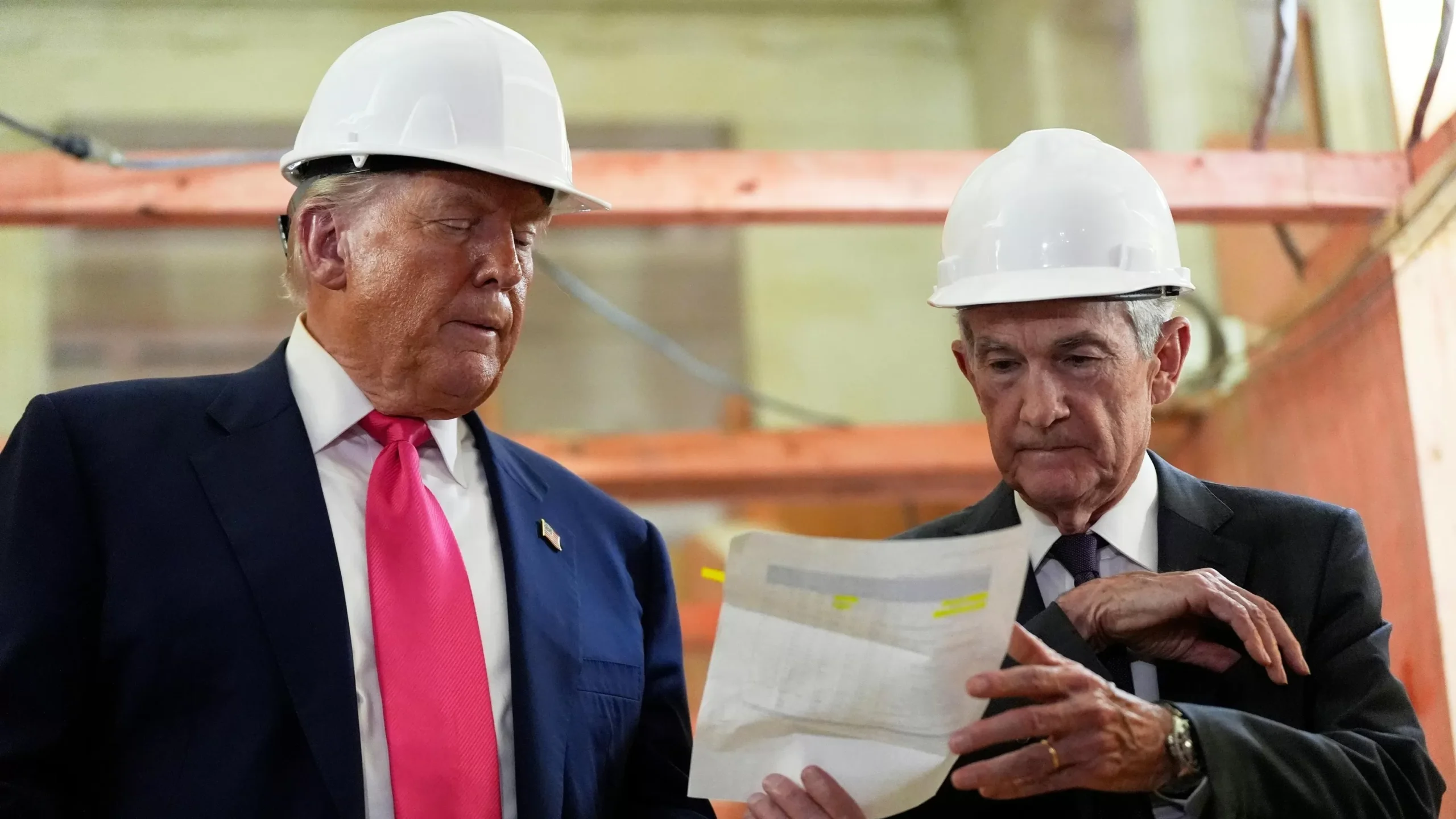
President Donald Trump has once again made headlines with his bold statements and threats. This time, his target is Jerome Powell, the current Federal Reserve Chair. In a recent interview, President Trump has threatened to fire Powell if he decides to stay on the central bank’s governing board after his term as chair expires next month.
This statement has caused quite a stir in the financial world, with many questioning the President’s authority to remove the Federal Reserve Chair. However, it is not the first time that President Trump has expressed his dissatisfaction with Powell’s leadership. In fact, this is just the latest in a series of attacks on the Federal Reserve Chair.
President Trump has been critical of Powell’s decisions, particularly the interest rate hikes, which he believes have a negative impact on the economy. He has even gone as far as calling the Federal Reserve the “biggest threat” to the US economy. This has created a tense relationship between the President and the Federal Reserve Chair, with both parties publicly criticizing each other’s actions.
The Federal Reserve is an independent entity, and the President does not have the power to remove the Federal Reserve Chair. However, he can nominate a new chair, subject to approval by the Senate. This has raised concerns about the potential politicization of the Federal Reserve, which could have serious consequences for the economy.
President Trump’s latest threat to fire Powell has also sparked a debate about the role of the Federal Reserve and its independence. The Federal Reserve was created to be free from political influence, with the primary mandate of maintaining price stability and promoting economic growth. If the President were to remove Powell for not aligning with his policies, it could undermine the independence of the Federal Reserve and create a dangerous precedent for future administrations.
While the President has the right to express his opinions and concerns about the Federal Reserve’s policies, it is crucial to respect the institution’s independence. The Federal Reserve operates based on data and analysis, not political agendas. It is essential to maintain this independence to ensure the stability of the economy and avoid any potential conflicts of interest.
Moreover, the threat of removing Powell could have a significant impact on the financial markets. The uncertainty created by this statement could lead to a decline in investor confidence and market volatility. It is essential for the President to consider the potential consequences of his actions before making such bold statements.
On the other hand, Powell’s term as chair is set to expire in February 2022, and he has not indicated whether he intends to stay on the governing board after that. Many experts believe that he may choose to step down and allow President Biden to nominate a new chair. However, if Powell decides to stay on the board, it could create a challenging situation for the Biden administration.
In conclusion, President Trump’s threat to fire Jerome Powell if he stays on the Federal Reserve’s governing board is a cause for concern. It raises questions about the institution’s independence and the potential consequences of such actions. It is crucial for the President to respect the Federal Reserve’s autonomy and allow it to operate without any political interference. The stability of the economy should always be the top priority, and any decision that could jeopardize it must be carefully considered.