
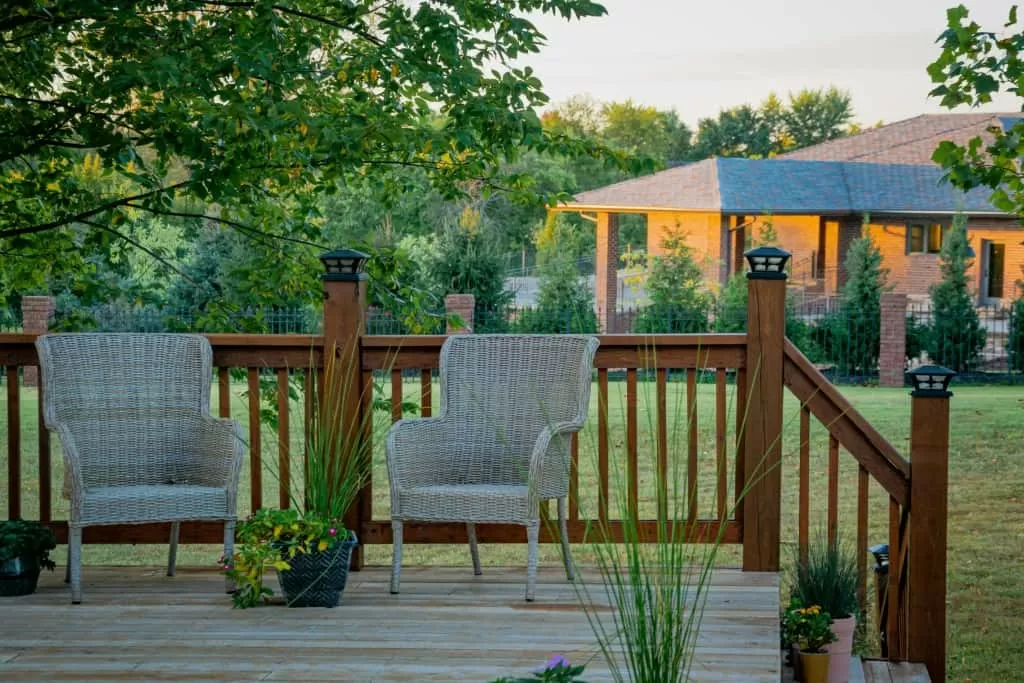
A beautiful outdoor space should be a natural extension of your home, providing a serene and relaxing environment without requiring constant upkeep. The key to creating a sustainable outdoor space is to work in harmony with the local climate and principles of green architecture. By incorporating these five sustainable landscaping ideas, you can elevate your outdoor space to new heights while reducing your impact on the environment.
1. Choose Native Plants
One of the best ways to create a sustainable outdoor space is to choose plants that are native to your area. Native plants are adapted to the local climate and soil conditions, making them more resilient and easier to maintain. They also provide important habitat and food sources for local wildlife, helping to promote biodiversity in your backyard.
Native plants also require less water and fertilizer, making them a more eco-friendly option for your landscape. By choosing native plants, you can create a beautiful and sustainable outdoor space that will thrive year-round.
2. Incorporate Smart Water Use
Water is a precious resource, and using it wisely is crucial for creating a sustainable outdoor space. One way to minimize water use is to incorporate smart irrigation systems, such as drip irrigation or moisture sensors, into your landscape design. These systems deliver water directly to the root zone of plants, reducing water waste and promoting healthier growth.
Another way to reduce water use is to choose drought-resistant plants, such as succulents, that require minimal watering. These plants are not only sustainable, but they also add unique textures and colors to your outdoor space.
3. Utilize Permeable Surfaces
Instead of traditional hardscaping materials like concrete and asphalt, consider using permeable surfaces in your outdoor space. Permeable surfaces, such as gravel or permeable pavers, allow rainwater to soak into the ground rather than running off into storm drains. This helps to reduce erosion and flooding, while also replenishing groundwater supplies.
Permeable surfaces also help to filter pollutants and chemicals from rainwater, improving the overall quality of our water systems. With permeable surfaces, you can create a beautiful outdoor space while also doing your part to protect the environment.
4. Incorporate Renewable Materials
When designing your outdoor space, consider using renewable materials, such as bamboo, reclaimed wood, or recycled plastic, for your hardscaping and furniture. These materials not only reduce the use of non-renewable resources but also have a lower environmental impact during production and transportation.
In addition, renewable materials often have a unique and natural aesthetic, adding character and charm to your outdoor space. By incorporating these sustainable materials, you can create a more eco-friendly and visually appealing outdoor space.
5. Implement Composting and Mulching
Composting and mulching are essential practices for creating a sustainable outdoor space. Composting not only reduces the amount of waste sent to landfills but also produces nutrient-rich soil that can be used to fertilize your plants.
Mulching helps to conserve water and suppress weeds, reducing the need for chemical herbicides. It also adds organic matter to the soil, improving its overall health and fertility. By implementing these practices, you can create a thriving outdoor space while reducing your environmental impact.
Final Thoughts
Creating a sustainable outdoor space is not only beneficial for the environment but also for your own well-being. By incorporating these five sustainable landscaping ideas, you can create a yard that is not only beautiful but also low-maintenance and eco-friendly. So, go ahead and transform your outdoor space into a sustainable oasis that you can enjoy for years to come.