
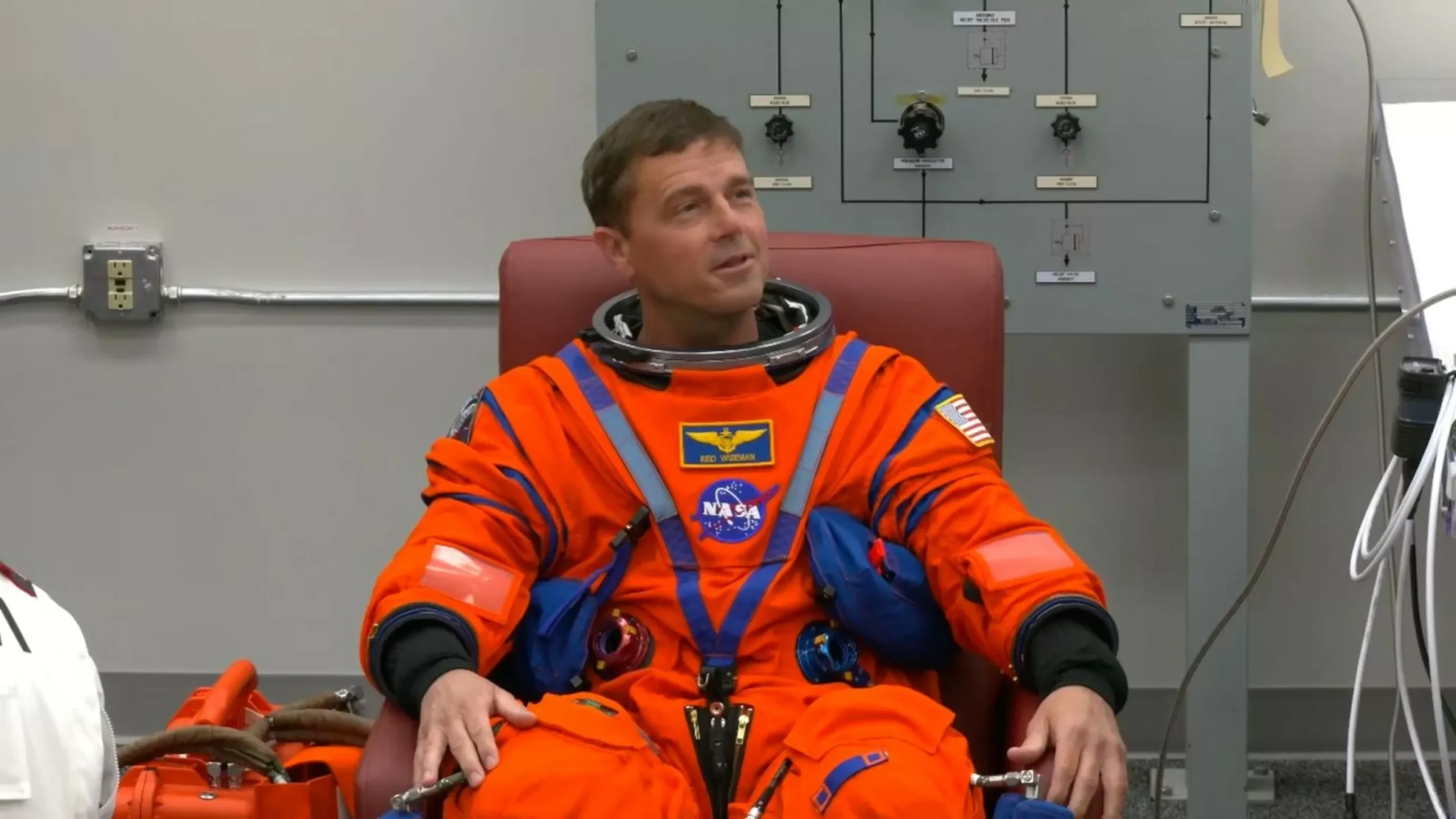
Harvard Medical School’s Dr. Aleksandra Stankovic has been closely monitoring the health of the Artemis II crew as they embark on their historic journey to the moon. As the crew prepares to return to Earth, Dr. Stankovic breaks down what the first few days will look like for them.
The Artemis II mission, which is part of NASA’s Artemis program, is set to be the first crewed mission to the moon in over 50 years. The crew, consisting of four astronauts, will spend approximately 10 days in space before returning to Earth. This will be the longest duration of a human spaceflight since the Apollo missions.
Dr. Stankovic, a renowned expert in space medicine, has been working closely with the crew to ensure their physical and mental well-being throughout the mission. She explains that the first few days after their return to Earth will be crucial for the crew’s recovery.
“The human body undergoes many changes in a microgravity environment, and it takes time for it to readjust to the Earth’s gravity,” says Dr. Stankovic. “The first few days will be crucial in monitoring the crew’s vital signs and ensuring they are in good health.”
Upon their return, the crew will be greeted by a team of medical professionals who will conduct a series of tests to assess their overall health. These tests will include checking their blood pressure, heart rate, and oxygen levels. The crew will also undergo a thorough physical examination to check for any muscle atrophy or bone loss due to the prolonged exposure to microgravity.
Dr. Stankovic explains that the crew will also experience some difficulty in walking and balancing due to the sudden change in gravity. To help with this, they will undergo a rehabilitation program that includes exercises to strengthen their muscles and improve their balance.
“The crew will also be closely monitored for any signs of space motion sickness, which is a common occurrence during space travel,” says Dr. Stankovic. “We have prepared a special diet plan for them to help with any gastrointestinal issues they may experience.”
In addition to physical health, Dr. Stankovic emphasizes the importance of mental health for the crew. “Being in space for such a long duration can take a toll on one’s mental well-being,” she says. “We have been conducting regular psychological evaluations to ensure that the crew is coping well with the isolation and confinement of space travel.”
Dr. Stankovic and her team have also been working closely with the crew’s families to provide them with support and guidance during this time. “The families play a crucial role in the crew’s well-being, and we want to make sure they are also taken care of,” she says.
As the crew continues to adjust to life back on Earth, they will also undergo a series of debriefings to share their experiences and provide valuable insights for future missions. Dr. Stankovic believes that this will be an important step in understanding the effects of long-duration space travel on the human body and mind.
The Artemis II crew’s return to Earth marks a significant milestone in space exploration and paves the way for future missions to the moon and beyond. Dr. Stankovic is confident that the crew’s resilience and determination will inspire future generations to push the boundaries of space travel.
“We are witnessing history in the making, and I am honored to be a part of this incredible journey,” says Dr. Stankovic. “The Artemis II crew’s return to Earth will not only be a celebration of their success but also a testament to the incredible capabilities of the human body and mind.”
In conclusion, as the Artemis II crew prepares to return to Earth, Dr. Stankovic and her team will continue to monitor their health and provide them with the necessary support for a smooth transition back to life on Earth. The crew’s bravery and dedication will undoubtedly inspire us all to reach for the stars and explore the unknown.