
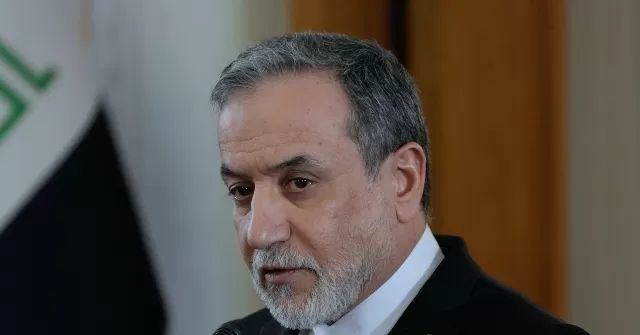
The Atomic Energy Organization of Iran’s chief, Mohammed Eslami, has recently accused the International Atomic Energy Agency (IAEA) of turning a blind eye to the potential danger posed by U.S. and Israeli airstrikes. In a statement made to the media, Eslami expressed his disappointment with the inaction of the UN nuclear watchdog in addressing this pressing issue.
Eslami’s remarks come in the wake of escalating tensions between Iran and the United States, as well as Israel. The two countries have been at odds with Iran over its nuclear program, with the U.S. and Israel accusing Iran of developing nuclear weapons. However, Iran has consistently maintained that its nuclear program is for peaceful purposes only.
Despite this, the U.S. and Israel have not shied away from making threats of military action against Iran. In recent years, there have been several instances of airstrikes and cyberattacks targeting Iran’s nuclear facilities. These actions have not only raised concerns about the safety of Iran’s nuclear program but also the potential for a full-blown conflict in the region.
In light of these developments, Eslami’s accusations against the IAEA are not unfounded. The organization’s primary responsibility is to ensure the peaceful use of nuclear energy and prevent the proliferation of nuclear weapons. However, it seems that the IAEA has failed to take any concrete action to address the threat posed by U.S. and Israeli airstrikes.
Eslami’s criticism of the IAEA’s inaction is not the first of its kind. In the past, Iran has repeatedly raised concerns about the organization’s bias towards Western countries. The IAEA’s failure to hold the U.S. and Israel accountable for their aggressive actions only reinforces these concerns.
It is high time for the IAEA to fulfill its duties and take a firm stance against the potential danger posed by U.S. and Israeli airstrikes. The organization must not succumb to political pressure and must act in the best interest of global peace and security.
Moreover, the international community must also play its part in addressing this issue. The silence of world leaders and organizations on this matter is concerning and sends the wrong message to those who are constantly threatening Iran’s sovereignty.
Iran has always been a responsible member of the international community and has shown its commitment to the peaceful use of nuclear energy. However, the constant threats and aggression from the U.S. and Israel have forced Iran to take necessary measures to protect its national interests.
In the face of these challenges, Iran has remained steadfast and resilient. The country has continued to make significant progress in its nuclear program, despite the obstacles and sanctions imposed by the U.S. and its allies. This is a testament to Iran’s determination and unwavering commitment to its peaceful nuclear program.
In conclusion, the accusations made by the Atomic Energy Organization of Iran’s chief, Mohammed Eslami, against the IAEA are valid and must be taken seriously. The organization must fulfill its responsibilities and take necessary actions to address the potential danger posed by U.S. and Israeli airstrikes. It is time for the international community to stand in solidarity with Iran and condemn any aggressive actions that threaten its sovereignty and peace in the region.