
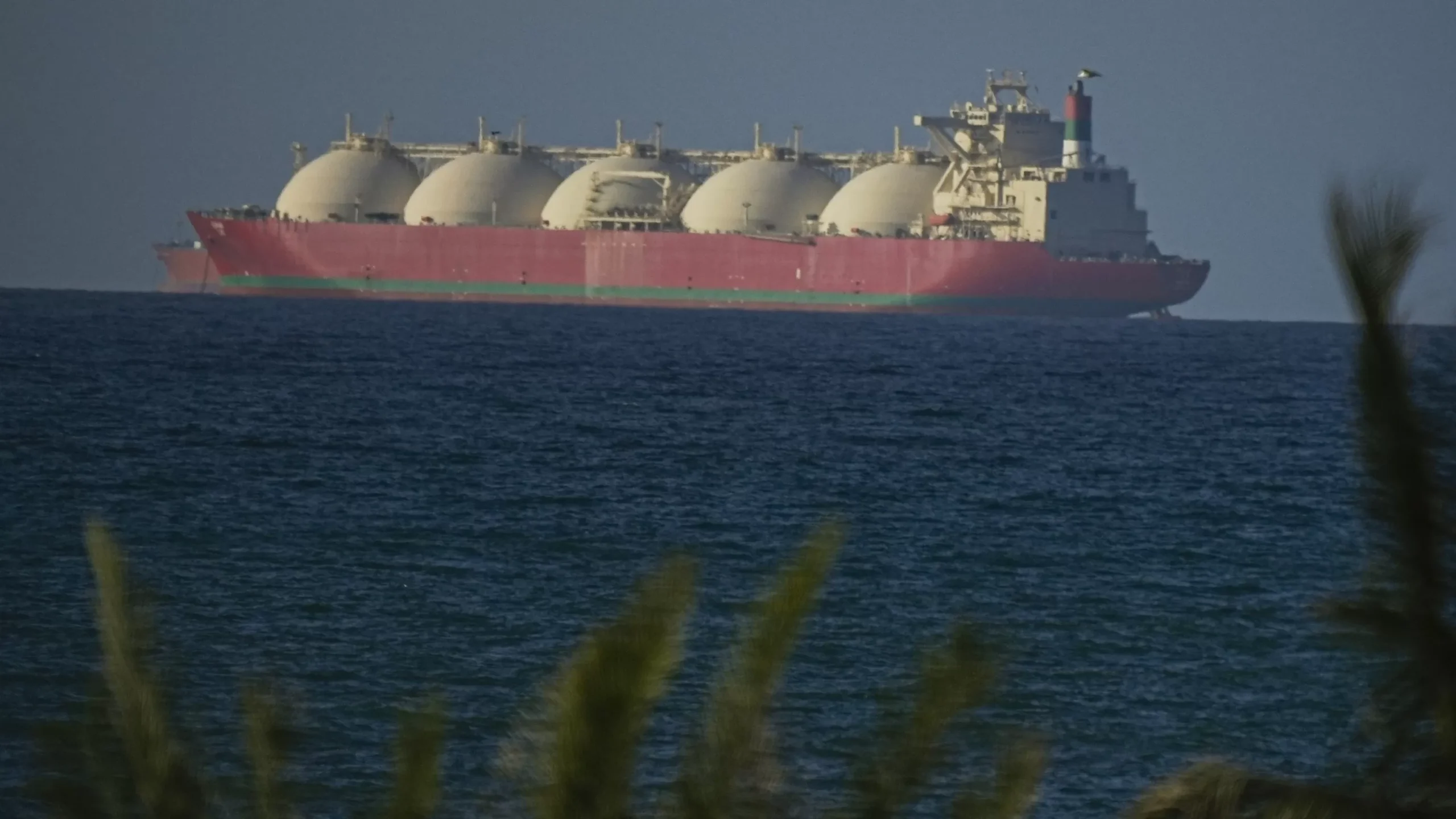
Iran has recently closed the Strait of Hormuz, a crucial waterway for global oil trade, and has accused Israel of violating a ceasefire agreement by launching a major attack against Lebanon on Wednesday. This move has sparked concerns and raised tensions in the region.
The Strait of Hormuz, located between Iran and Oman, is a narrow passage that connects the Persian Gulf with the Arabian Sea. It is a vital route for oil tankers, with about one-fifth of the world’s oil passing through it. Therefore, any disruption in this waterway can have a significant impact on the global economy.
Iran’s decision to close the Strait of Hormuz came after Israel launched a major attack against Lebanon, targeting several areas in the country. This attack has been condemned by the international community, with many calling for an immediate ceasefire. However, Iran has taken a strong stance and has accused Israel of violating a ceasefire agreement that was reached between the two countries.
The ceasefire agreement, which was brokered by the United Nations, aimed to end the ongoing conflict between Israel and Lebanon. It was seen as a ray of hope for peace in the region, but the recent attack by Israel has jeopardized this fragile agreement. Iran has strongly condemned Israel’s actions and has called for the international community to take action against this violation.
The closure of the Strait of Hormuz has also raised concerns about the safety of international oil tankers passing through the area. Iran has assured that it will not disrupt the flow of oil through the strait, but the closure itself has caused a spike in oil prices. This has further added to the tension in the region and has raised concerns about the impact on the global economy.
The closure of the Strait of Hormuz is not the first time that Iran has taken such a drastic step. In 2019, Iran seized a British oil tanker in the strait, which led to a standoff between the two countries. This recent move by Iran has once again highlighted the country’s strategic position in the region and its ability to disrupt global oil trade.
The international community has called for calm and has urged both Iran and Israel to de-escalate the situation. The United Nations has also expressed its concern and has called for a peaceful resolution to the conflict. The closure of the Strait of Hormuz has further complicated the already tense situation in the Middle East and has raised concerns about the potential for further conflict.
Iran’s decision to close the strait has also been met with criticism from neighboring countries. Saudi Arabia, a key ally of the United States, has condemned the move and has called for the international community to take action against Iran. This has further added to the already strained relations between the two countries.
The closure of the Strait of Hormuz has also had an impact on the global oil market. The price of oil has risen by more than 4% since the closure, and experts predict that it could continue to rise if the situation escalates further. This could have a significant impact on the global economy, as oil prices affect everything from transportation to manufacturing.
In conclusion, Iran’s decision to close the Strait of Hormuz and its accusations against Israel for violating a ceasefire agreement have raised tensions in the region. The closure of this crucial waterway has not only affected global oil trade but has also raised concerns about the potential for further conflict. It is crucial for the international community to come together and find a peaceful resolution to this situation before it escalates any further.