
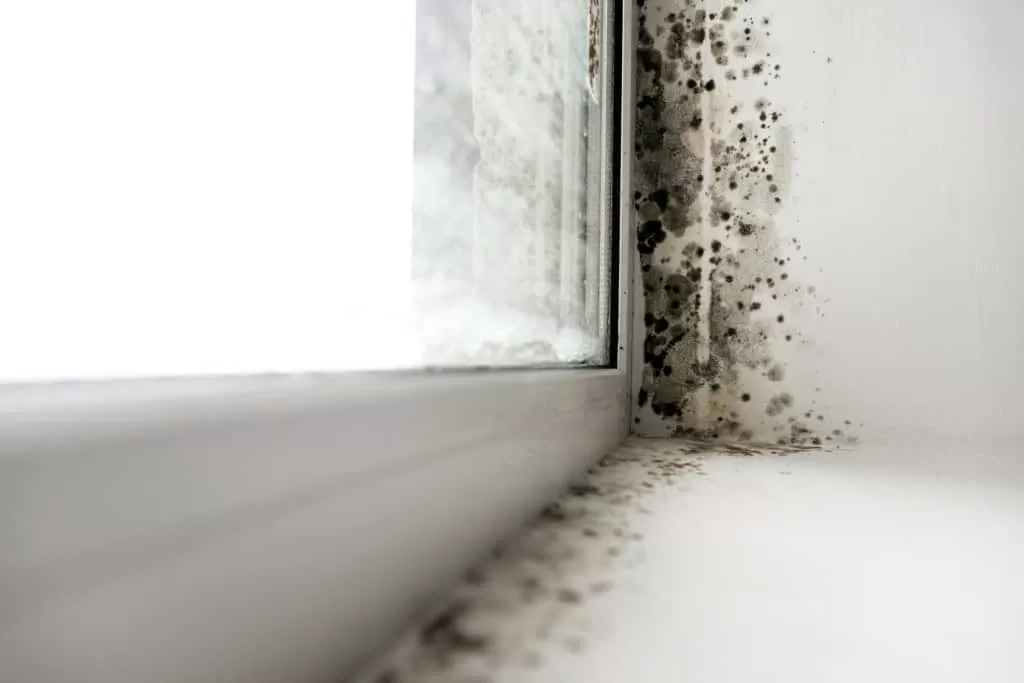
Mold is a common problem that many homeowners face. Not only is it unsightly, but it can also cause health issues and damage to your home. But where does mold actually grow in a house? And what are the common causes of mold growth? In this article, we will explore the answers to these questions and provide simple ways to reduce moisture and handle small mold issues before they become a bigger problem.
Where Does Mold Grow in a House?
Mold can grow in any area of your house that has a combination of moisture, warmth, and organic material. This makes bathrooms, kitchens, and basements the most common areas for mold growth. However, mold can also grow in less obvious places such as behind walls, under carpets, and in air ducts.
Common Causes of Mold Growth
1. Moisture: As mentioned earlier, moisture is a key factor in mold growth. Leaks, floods, and high humidity levels can all contribute to the growth of mold in your home.
2. Poor ventilation: Proper ventilation is essential in preventing mold growth. Without proper airflow, moisture can get trapped and create the perfect environment for mold to thrive.
3. Water damage: Any area of your home that has experienced water damage, whether from a leaky roof or a burst pipe, is at risk for mold growth.
4. Condensation: Condensation can occur on windows, pipes, and walls when warm air meets a cold surface. This excess moisture can lead to mold growth if not addressed.
Simple Ways to Reduce Moisture and Handle Small Mold Issues
1. Fix leaks and water damage: If you notice any leaks or water damage in your home, it is important to address them immediately. This will not only prevent mold growth but also save you from potential costly repairs in the future.
2. Keep humidity levels low: The ideal humidity level in a home is between 30-50%. You can use a dehumidifier to help keep the levels in check, especially in areas prone to moisture such as bathrooms and basements.
3. Improve ventilation: Make sure your home has proper ventilation, especially in areas like the bathroom and kitchen. This will help prevent moisture from getting trapped and reduce the risk of mold growth.
4. Clean and dry wet areas: If you have experienced a flood or a leak, it is important to clean and dry the affected area within 24-48 hours. This will prevent mold from growing and spreading.
5. Use mold-resistant products: When renovating or building your home, consider using mold-resistant materials such as drywall, paint, and flooring. These products are designed to resist mold growth and can be a great preventive measure.
6. Regularly clean and maintain your home: Regularly cleaning and maintaining your home can go a long way in preventing mold growth. Pay special attention to areas that are prone to moisture, such as bathrooms and kitchens.
7. Address small mold issues immediately: If you do spot mold in your home, it is important to address it immediately. Small patches of mold can be easily removed with a mixture of water and vinegar. However, if the mold covers a larger area, it is best to call a professional for proper removal.
In conclusion, mold can grow in any area of your home that has excess moisture. By addressing the common causes of mold growth and taking preventive measures, you can reduce the risk of mold in your home. Regular maintenance and addressing small mold issues immediately can also help keep your home mold-free. Remember, prevention is key when it comes to mold growth. So, keep your home well-ventilated, dry, and clean to ensure a healthy and mold-free living environment.