
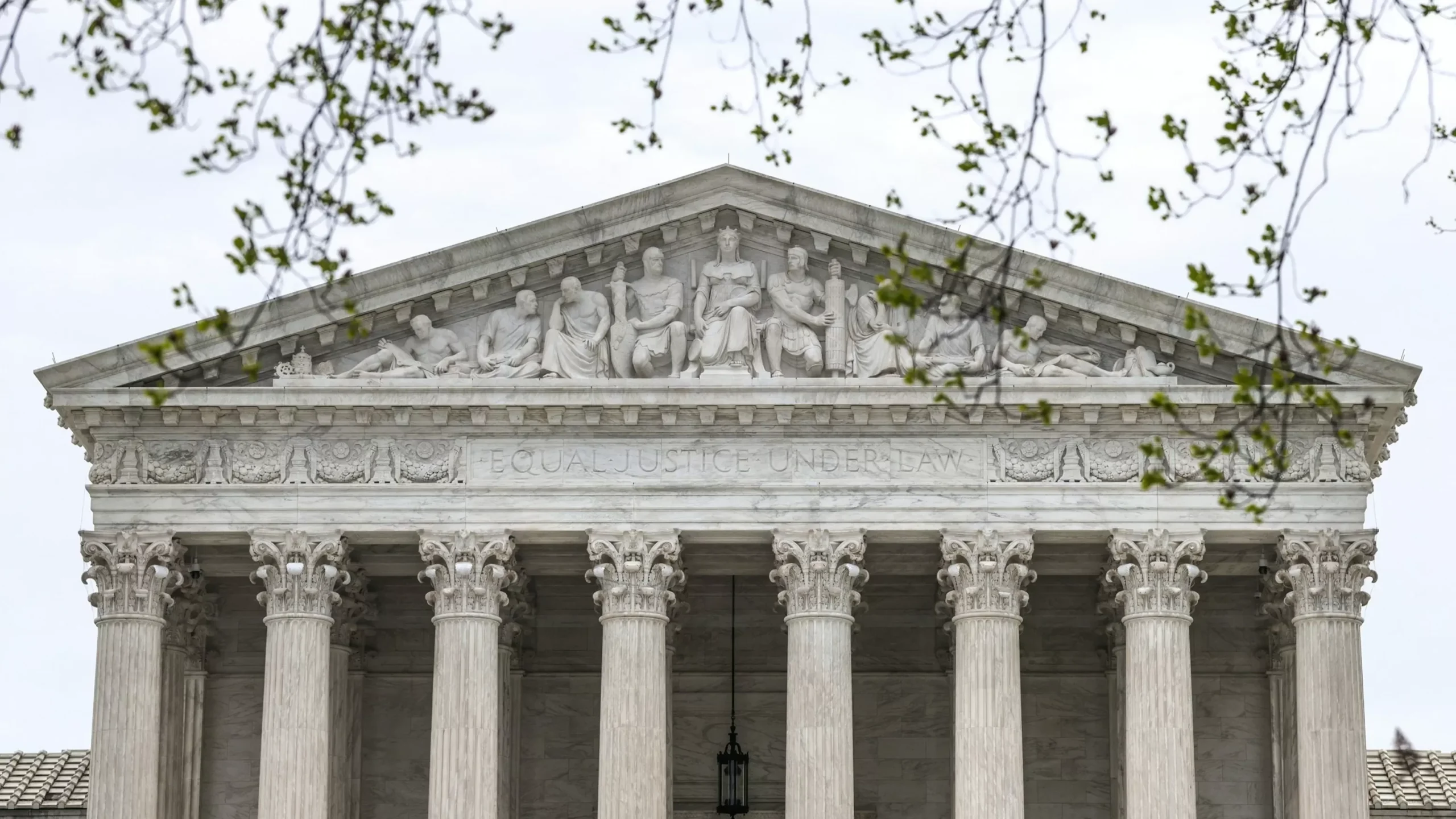
The Supreme Court of the United States has made a landmark decision in the case of Colorado’s ban on so-called “conversion therapy” for minors. In a 6-3 ruling, the Court has struck down the ban, stating that it is a violation of counselors’ free speech rights under the First Amendment.
For those who may not be familiar, conversion therapy is a controversial practice that aims to change a person’s sexual orientation or gender identity. It has been widely discredited by medical and mental health professionals, and many states have already banned it for minors. However, Colorado’s ban was challenged by a group of therapists who argued that it violated their right to free speech.
The Court’s decision is a victory for free speech and a blow to those who seek to restrict it. In their ruling, the Justices stated that the ban on conversion therapy was a content-based restriction on speech, which is subject to strict scrutiny under the First Amendment. This means that the government must have a compelling interest in restricting the speech and that the restriction must be narrowly tailored to achieve that interest.
The Court found that Colorado’s ban failed to meet this standard. They noted that the ban only applied to licensed therapists and not to other individuals who may engage in conversion therapy, such as religious leaders or parents. This selective targeting of licensed therapists was seen as a violation of their free speech rights, as it restricted their ability to communicate their views and beliefs to their clients.
Furthermore, the Court also found that the ban was not narrowly tailored to achieve its stated goal of protecting minors from harm. In fact, the ban may have the opposite effect by preventing minors from seeking help and support from licensed therapists who may be better equipped to address their mental health needs.
The decision has been met with mixed reactions. Those who support conversion therapy argue that it is a matter of religious freedom and that the government should not interfere with their right to practice their beliefs. However, the Court’s ruling makes it clear that the government cannot restrict speech based on its content, even if it is motivated by religious beliefs.
On the other hand, advocates for LGBTQ+ rights and mental health professionals have welcomed the decision. They argue that conversion therapy is a harmful and ineffective practice that can lead to serious mental health issues, including depression and suicide. By striking down the ban, the Court has sent a strong message that the well-being and rights of minors must be protected.
It is important to note that the Court’s decision does not mean that conversion therapy is now legal in Colorado or any other state. It simply means that the government cannot restrict the speech of licensed therapists in this manner. States are still free to ban conversion therapy through other means, such as consumer protection laws or regulations.
In conclusion, the Supreme Court’s ruling on Colorado’s ban on conversion therapy is a significant victory for free speech and a reminder that the government cannot restrict speech based on its content. It also highlights the importance of protecting the rights and well-being of minors, especially when it comes to their mental health. Let us hope that this decision will pave the way for more progressive and inclusive policies in the future.