
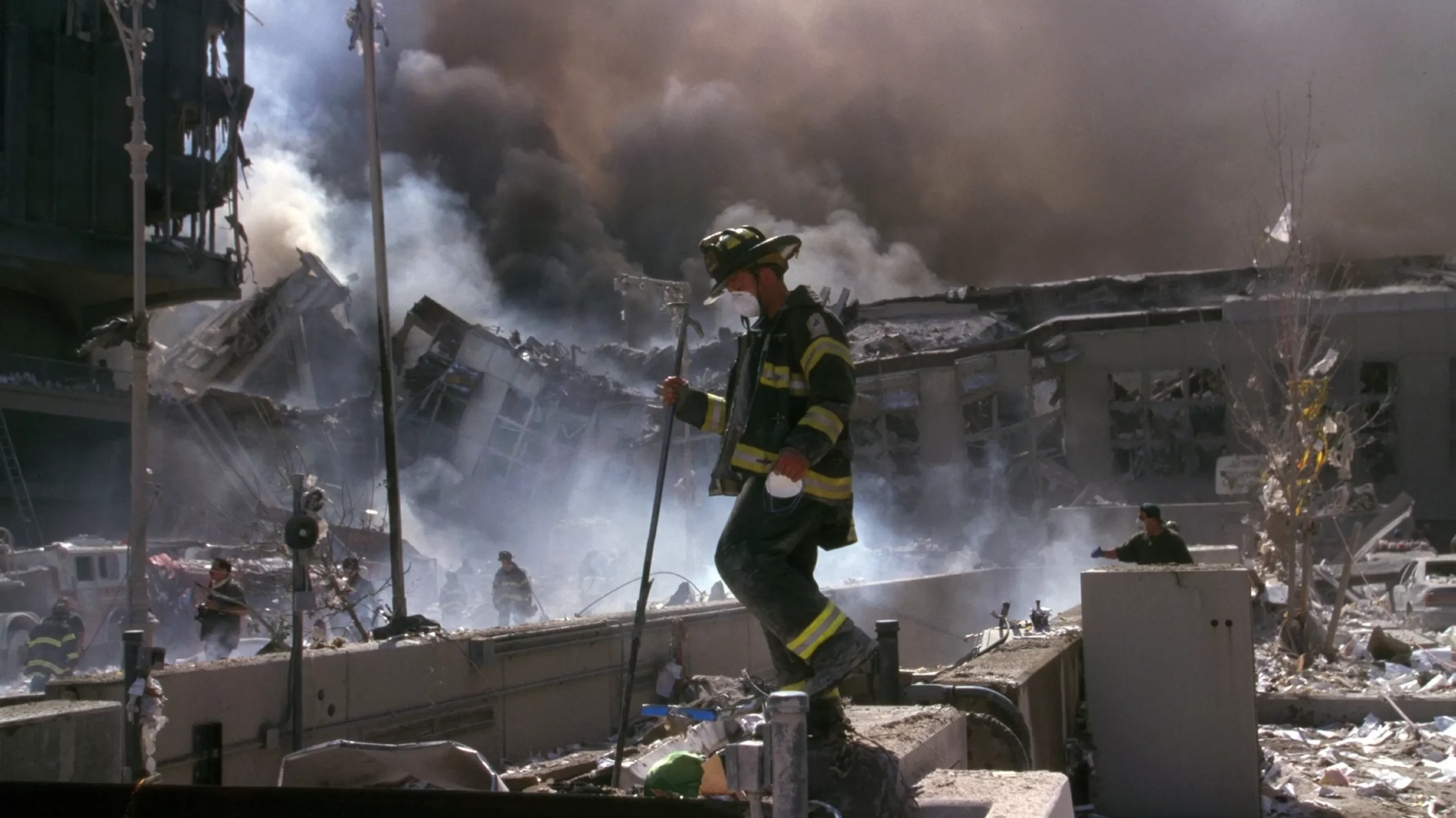
The tragic events of September 11, 2001, shook the world and left a lasting impact on those who were directly affected by the attacks. Not only were the lives of thousands of innocent people lost, but the aftermath of the attacks also left many first responders and survivors with long-term health issues. However, amidst the darkness and despair, there is a ray of hope in the form of a program that serves roughly 140,000 responders and survivors with cancers, respiratory illness, and other conditions linked to 9/11 exposure.
The World Trade Center (WTC) Health Program was established by the James Zadroga 9/11 Health and Compensation Act of 2010, in honor of the first responder who died from a respiratory disease he contracted while working at Ground Zero. The program provides medical monitoring and treatment services to responders and survivors who were exposed to the toxic dust and debris at the WTC site, Pentagon, and Shanksville, Pennsylvania, crash sites.
Since its inception, the WTC Health Program has been a beacon of hope for those who have been suffering from various health issues as a result of their heroic actions on that fateful day. The program has been a lifeline for responders and survivors, offering them the medical care and support they need to cope with the physical and emotional toll of 9/11.
One of the most significant benefits of the WTC Health Program is the medical monitoring it provides. This includes regular check-ups and screenings for various health conditions linked to 9/11 exposure, such as respiratory illnesses, cancers, and mental health disorders. By closely monitoring the health of responders and survivors, the program can identify any potential health issues early on and provide timely treatment, ultimately improving the chances of successful recovery.
In addition to medical monitoring, the WTC Health Program also offers treatment services to responders and survivors. These services include medication, therapy, and specialized treatments for specific health conditions. The program covers the costs of these treatments, ensuring that responders and survivors receive the care they need without any financial burden.
The WTC Health Program also recognizes the importance of mental health in the overall well-being of responders and survivors. The program provides access to mental health services, including counseling and therapy, to help individuals cope with the trauma they experienced on 9/11 and its aftermath. This support is crucial in helping responders and survivors overcome the emotional and psychological impact of the attacks.
Moreover, the WTC Health Program is not just limited to responders and survivors who were present at the 9/11 attack sites. It also includes those who were involved in the cleanup and recovery efforts, as well as residents, students, and workers who lived, studied, or worked in the affected areas. This inclusive approach ensures that all those who were exposed to the toxic dust and debris are receiving the necessary medical care and support.
The success of the WTC Health Program can be seen in the number of responders and survivors it has served over the years. With approximately 140,000 individuals enrolled in the program, it has become the largest program of its kind in the world. This is a testament to the program’s effectiveness and the trust that responders and survivors have placed in it.
The WTC Health Program has not only improved the lives of responders and survivors, but it has also made significant contributions to medical research. The program has been collecting and analyzing data on the health of responders and survivors, which has led to new insights and advancements in the treatment of 9/11-related health conditions. This research has also helped in the development of better safety protocols for future disaster response efforts.
In conclusion, the WTC Health Program has been a beacon of hope for responders and survivors of the 9/11 attacks. It has provided them with the medical care and support they need to cope with the physical and emotional toll of their heroic actions. The program’s success is a testament to the unwavering commitment of the medical professionals and staff who work tirelessly to ensure that responders and survivors receive the best possible care. We can only hope that this program will continue to serve as a source of hope and healing for many years to come.