
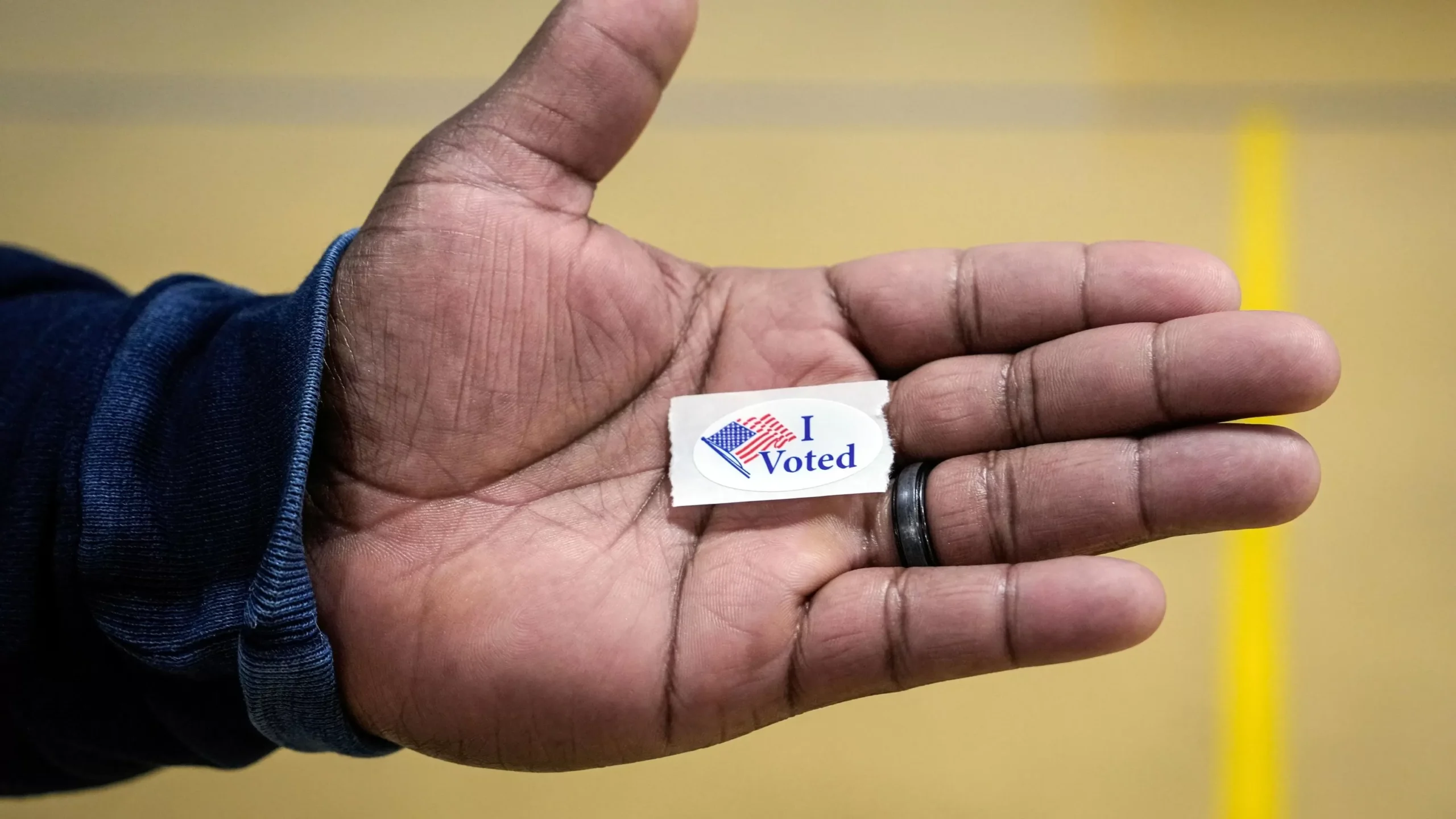
A federal judge has recently ruled in favor of North Carolina’s photo voter ID law, dismissing claims made by civil rights groups that the law discriminates against Black and Latino voters. This decision has been met with both praise and criticism, with some hailing it as a victory for election integrity and others expressing concerns about potential voter suppression.
The photo voter ID law, which was passed in 2018, requires voters to present a valid photo ID in order to cast their ballots. Proponents of the law argue that it will help prevent voter fraud and ensure the integrity of the electoral process. However, opponents argue that the law disproportionately affects minority and low-income voters who may not have access to the necessary identification.
The ruling by U.S. District Judge Loretta Biggs comes after a long legal battle over the controversial law. Civil rights groups, including the NAACP and the Southern Coalition for Social Justice, filed a lawsuit against the state, arguing that the law was racially discriminatory and violated the Voting Rights Act of 1965.
In her 83-page opinion, Judge Biggs acknowledged the concerns raised by the plaintiffs, but ultimately concluded that the law does not violate federal law. She stated that the law “imposes only a minimal burden on voters” and that “North Carolina has provided ample assistance to ensure that all voters who wish to obtain a photo ID can do so with little to no difficulty.”
The decision has been met with praise from supporters of the law, who see it as a necessary step in ensuring the integrity of the electoral process. North Carolina’s Republican Party Chairman, Michael Whatley, hailed the ruling as a “victory for common sense and fair elections.” He also stated that the law “safeguards the principle of one person, one vote and protects the integrity of our democratic process.”
However, civil rights groups and opponents of the law have expressed disappointment and concern over the ruling. They argue that the law unfairly targets minority and low-income voters who may not have the means to obtain a valid photo ID. They also point to the fact that the law was passed by a Republican-controlled legislature and signed by a Republican governor, raising questions about partisan motivations.
The ruling has also sparked a larger debate about voter ID laws and their impact on marginalized communities. While some argue that these laws are necessary to prevent voter fraud, others argue that they are a form of voter suppression and disproportionately affect minority and low-income voters.
In response to the ruling, the NAACP and other civil rights groups have vowed to continue fighting against the law and will likely appeal the decision. They argue that the ruling sets a dangerous precedent and could open the door for other states to pass similar laws that could disenfranchise vulnerable communities.
As the legal battle continues, it is important to remember the underlying issues at stake. The right to vote is a fundamental pillar of our democracy, and it is crucial that all eligible citizens have equal access to the ballot box. While the ruling may have upheld the photo voter ID law, it is important for lawmakers and officials to continue working towards creating a fair and accessible electoral process for all citizens.
In the end, the decision by Judge Biggs may have settled the legal battle over North Carolina’s photo voter ID law, but it has also reignited a larger conversation about the role of voter ID laws in our democracy. It is up to all of us to ensure that the voices of all citizens are heard and that barriers to voting are not created or reinforced. Only then can we truly have a fair and inclusive electoral process that upholds the values of our democracy.