
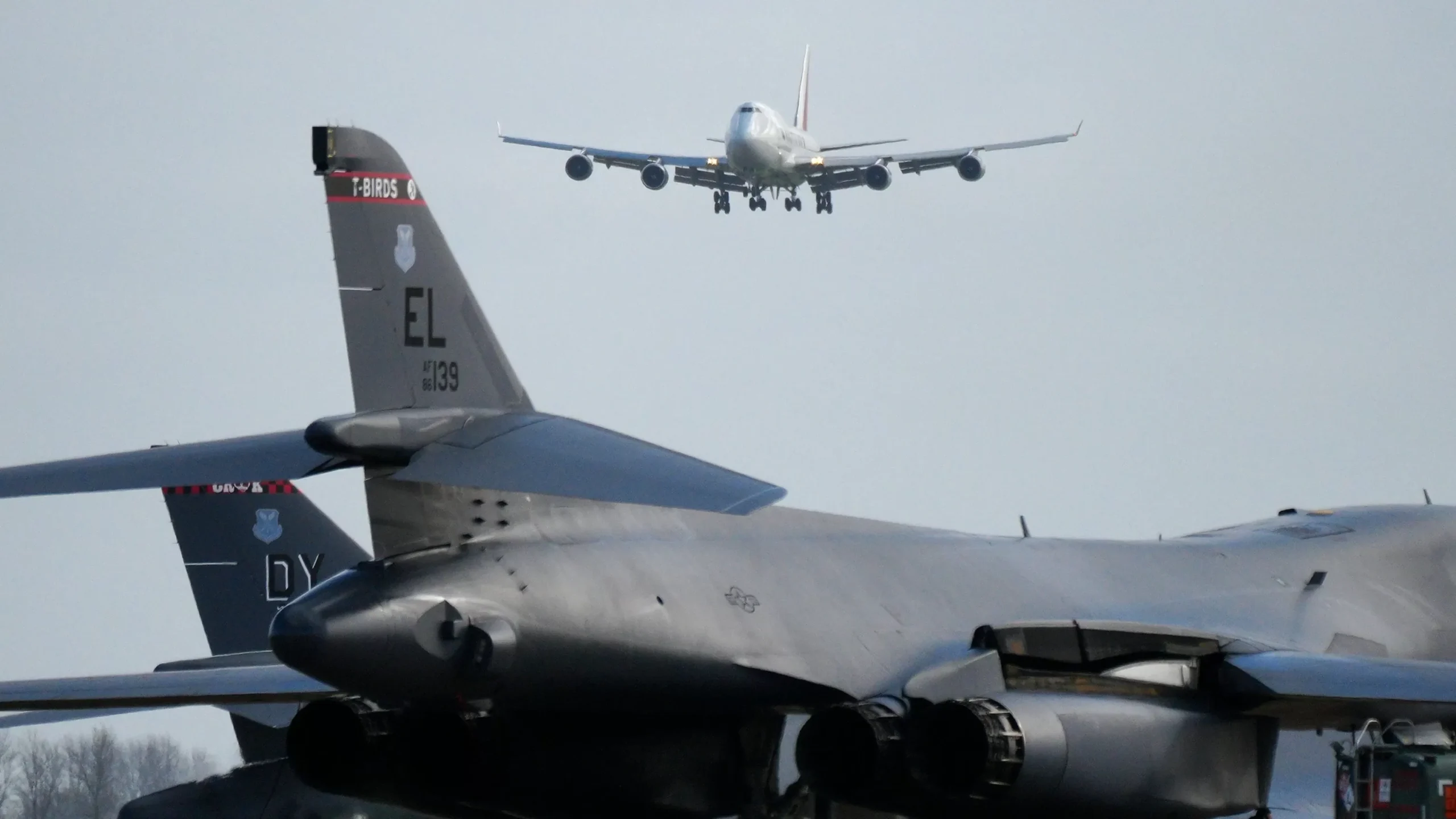
A recent drone sighting at one of the United States Air Force’s largest airfields has raised concerns about the safety and security of our country’s military installations. The incident, which occurred earlier this month, has been deemed potentially more dangerous than initially reported.
The drone was spotted flying near the airfield, causing temporary alarms to be raised among the personnel at the base. The sighting immediately triggered a response from the Air Force, with security teams being deployed to investigate the situation. While the initial reports suggested that the drone was simply flying near the airfield, further investigation has revealed a more alarming possibility.
According to sources within the Air Force, the drone was not just a recreational or commercial device, but rather a sophisticated unmanned aerial vehicle (UAV) with advanced capabilities. This has raised concerns about the potential threat it could pose to the airfield and its operations. It is believed that the drone was equipped with high-resolution cameras and other surveillance equipment, which could have been used to gather sensitive information about the airfield and its activities.
The incident has brought to light the growing threat of drones in the hands of malicious actors. As technology advances, so do the capabilities of these devices, making them a potential danger to our national security. The fact that the drone was able to enter the airspace of a highly secured military installation is a cause for concern and highlights the need for stricter regulations and measures to counter such threats.
Fortunately, the Air Force was able to quickly identify and track the drone, and it was eventually brought down without causing any harm. However, this incident serves as a wake-up call for the military and government agencies to take necessary steps to prevent similar incidents from happening in the future.
One of the main challenges in dealing with drone threats is their small size and ability to fly undetected. This makes it difficult for traditional radar systems to detect and track them. To counter this, the Air Force is investing in new technologies and systems that can detect and neutralize drones in the airspace. These include jamming devices, laser weapons, and even trained eagles that can intercept and capture drones.
In addition to technological solutions, the Air Force is also working on strengthening its policies and procedures to prevent unauthorized drone flights near its installations. This includes working closely with the Federal Aviation Administration (FAA) to establish no-fly zones and implementing strict penalties for those who violate these regulations.
The recent drone sighting has also highlighted the need for increased public awareness about the dangers of flying drones near military installations. Many people may not realize the potential harm that their recreational drones could cause if they enter restricted airspace. It is crucial for drone owners to educate themselves about the regulations and fly their devices responsibly.
The Air Force has assured the public that they are taking all necessary measures to ensure the safety and security of their installations. They have also expressed their gratitude to the personnel who responded swiftly and efficiently to the drone sighting. Their quick actions have prevented a potentially dangerous situation from escalating.
In conclusion, the recent drone sighting at one of the United States Air Force’s largest airfields has shed light on the growing threat of drones to our national security. While the incident was resolved without any harm, it serves as a reminder of the need for stricter regulations and measures to counter this threat. The Air Force is committed to protecting its installations and will continue to work towards ensuring the safety and security of our country.