
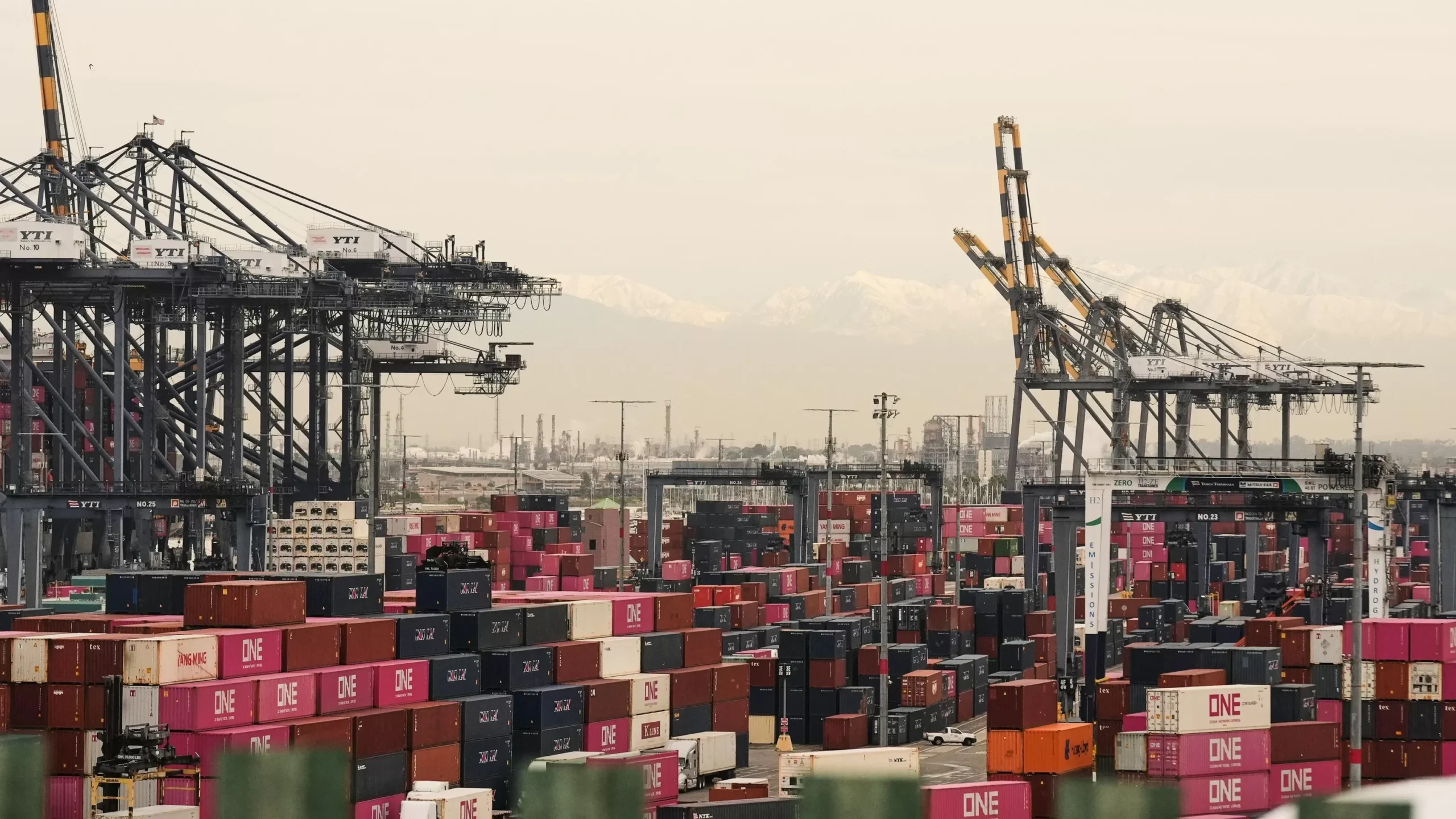
In recent months, tensions between the United States, Israel, and Iran have continued to escalate, causing significant disruptions in energy markets and supply chains around the world. As a result, the Trump administration has announced that it is considering suspending the Jones Act, a century-old law that regulates maritime shipping in the United States. While this move may seem drastic, it could have a significant impact on the ongoing conflict and could potentially bring some relief to the global energy industry.
The Jones Act, also known as the Merchant Marine Act of 1920, requires that all goods transported by water between U.S. ports must be carried on ships that are built, owned, and operated by American citizens or permanent residents. This law was originally put in place to protect the U.S. shipping industry and promote national security. However, in recent years, critics have argued that the Jones Act has become outdated and is now causing more harm than good.
One of the most significant consequences of the Jones Act is its impact on energy markets. Because of the law’s restrictions, it is more expensive for U.S. companies to transport oil and gas between domestic ports, making American energy less competitive on the global market. This has led to higher prices for consumers and has limited the ability of U.S. companies to export their energy products. As tensions with Iran continue to escalate, the U.S. is facing increased pressure to find ways to alleviate the strain on the energy market.
In light of these challenges, the Trump administration has announced that it is considering suspending the Jones Act. This move would allow foreign-flagged vessels to transport goods between U.S. ports, providing much-needed relief to the energy industry. By opening up the market to foreign ships, the U.S. could potentially reduce shipping costs and increase its competitiveness in the global energy market.
The potential suspension of the Jones Act has received mixed reactions, with some praising the move as a necessary step to support the struggling energy industry and others expressing concerns about the impact on national security. However, many experts believe that a temporary suspension of the Jones Act could bring significant benefits to the U.S. economy and help alleviate the ongoing conflict with Iran.
First and foremost, suspending the Jones Act would provide much-needed relief to the energy industry, which has been hit hard by the ongoing tensions with Iran. Lower shipping costs would allow U.S. companies to be more competitive in the global market, potentially leading to increased exports and higher profits. This, in turn, could help boost the U.S. economy and create more jobs for American workers.
Moreover, suspending the Jones Act could also have a positive impact on global energy markets. With the U.S. being one of the world’s largest energy producers, any measures that can help stabilize the market would have a significant impact on the global economy. By increasing the supply of U.S. energy products, a temporary suspension of the Jones Act could help ease the strain on energy markets and potentially lower prices for consumers worldwide.
Additionally, the move could also help ease tensions with Iran. As the U.S. and Israel continue to increase pressure on Iran through economic sanctions, suspending the Jones Act could signal a willingness to find a peaceful solution to the ongoing conflict. By providing much-needed relief to the energy market, the U.S. could potentially reduce the need for harsher measures against Iran and open up the possibility for negotiations.
In conclusion, the potential suspension of the Jones Act could have a significant impact on the ongoing conflict between the U.S., Israel, and Iran. By providing much-needed relief to the energy industry and potentially easing tensions with Iran, this move could bring positive changes to the global energy market and the U.S. economy. While there are valid concerns about the impact on national security, it is clear that a temporary suspension of the Jones Act could bring much-needed benefits to all parties involved.