
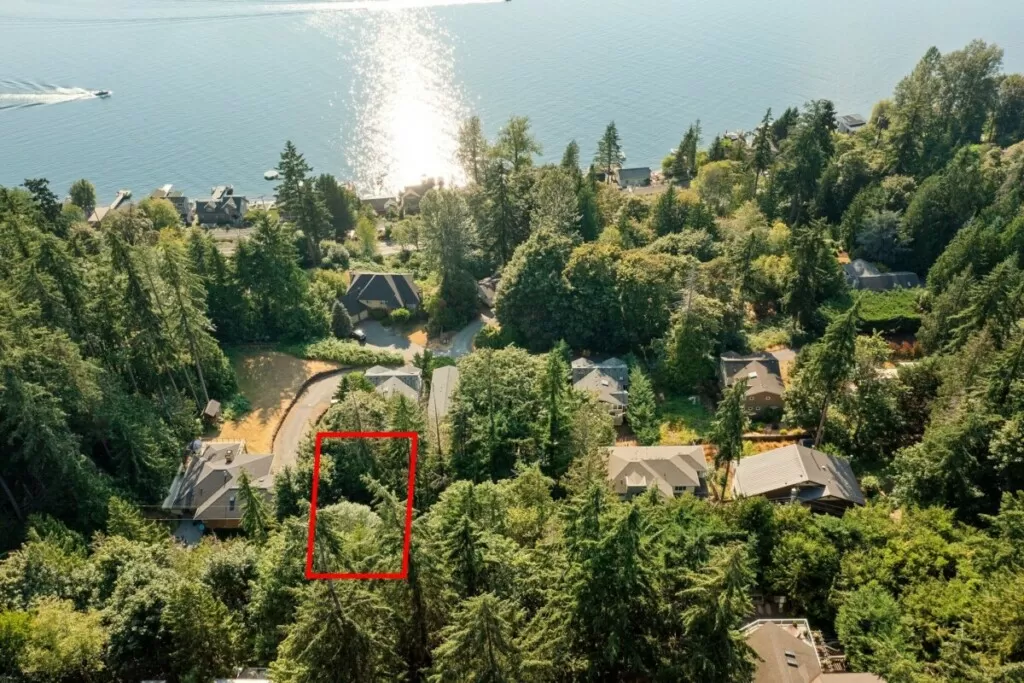
Thinking about buying land? It’s an exciting venture that can offer many benefits, such as building your own dream home or investing in a potential development opportunity. However, one of the most common questions that arises when considering land purchase is whether one can get a mortgage on land. The answer is yes, but it’s essential to understand how land loans work, their typical requirements, and the various financing options available. In this article, we’ll dive into the details of land loans and mortgages, helping you make a well-informed decision for your land purchase.
Firstly, let’s differentiate between a land loan and a mortgage. A land loan is specifically designed for purchasing land without any pre-existing structures on it, whereas a mortgage is used to finance a home or other type of real estate. In simple terms, a land loan is a loan to buy land, while a mortgage is a loan to buy a home or other type of property.
Now, let’s explore the different financing options available for purchasing land. Some banks and credit unions offer land loans, but their requirements may vary. For example, some may require a larger down payment or higher interest rates compared to a traditional mortgage. It’s essential to shop around and compare different lenders to find the best financing option that suits your needs and budget.
Another option for financing the purchase of land is through a seller-financed land contract. In this type of agreement, the seller acts as the lender and offers financing to the buyer. The buyer makes monthly payments to the seller, and once the contract is paid in full, the seller transfers the title to the buyer. This option can be beneficial for those who may not qualify for a traditional land loan or mortgage.
Now, let’s discuss the requirements for obtaining a land loan or mortgage. The requirements may vary depending on the lender, but some common ones include a good credit score, proof of income, a down payment, and a clear title for the land. It’s essential to have all your documents in order and work on improving your credit score if needed before applying for a land loan or mortgage.
One significant difference between a land loan and a mortgage is the down payment requirement. Typically, a down payment for a mortgage is around 20% of the purchase price, while a down payment for a land loan can range from 20% to 50%. This is because land loans are considered riskier for lenders, as they don’t have any structures on which they can recoup their investment if the borrower defaults.
It’s also worth noting that land loans usually have shorter loan terms compared to mortgages. While a mortgage may have a term of 15 to 30 years, land loans may have a term of 5 to 10 years. This is because land is considered a non-income producing asset, and lenders prefer to have their loans paid off within a shorter period.
Now, let’s address the most crucial question – why would someone choose to get a land loan instead of a mortgage? The answer lies in the purpose of the land purchase. Land loans are typically used for buying land for building a home or for investment purposes. In contrast, mortgages are used for purchasing a pre-existing home or other types of real estate. So, if you have a specific plot of land in mind and plan to build your dream home, a land loan may be the better option for you.
In conclusion, getting a mortgage on land is possible, but it’s essential to understand the differences between a land loan and a mortgage, their requirements, and the various financing options available. It’s crucial to do your research, compare different lenders, and have all your documents in order before applying for a land loan or mortgage. With the right approach, you can make your dream of owning land a reality. Happy land hunting!