
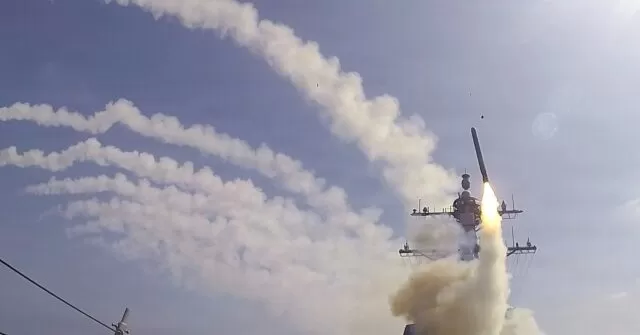
The recent tensions between the United States and Iran have caused widespread concern in the shipping industry. With the threat of war looming, experts are worried about the potential disruption to global supply chains, extending far beyond the loss of oil and liquid natural gas (LNG) shipments moving through the Strait of Hormuz.
The shipping industry plays a crucial role in the global economy, facilitating the movement of goods and products across borders. Any disruption to this industry can have far-reaching consequences, affecting businesses and consumers worldwide. This is why the shipping industry is closely monitoring the situation in Iran and its potential impact on global ocean freight and air cargo supply chains.
The Strait of Hormuz, located between Iran and Oman, is one of the world’s most important shipping lanes. It is a vital route for the transportation of oil and LNG, with an estimated 20% of the world’s oil passing through it. However, with tensions rising between the US and Iran, there is a real possibility that this crucial waterway could be disrupted, leading to a significant impact on global trade.
The shipping industry is particularly concerned about the potential closure of the Strait of Hormuz, which would have a domino effect on global supply chains. The closure of this vital shipping lane would not only affect the transportation of oil and LNG but also other goods and products that rely on this route for their delivery. This could lead to delays, increased costs, and shortages of essential goods, ultimately affecting businesses and consumers worldwide.
Moreover, the potential for a full-scale war in the region could have even more severe consequences for the shipping industry. In the event of a war, there could be a complete shutdown of all shipping activities in the region, leading to a significant disruption in global supply chains. This would not only affect the transportation of goods but also the availability of essential services, such as medical supplies and humanitarian aid.
The impact of a potential war in Iran on global supply chains is not limited to the shipping industry. The air cargo industry is also at risk, as many airlines use the airspace over the Persian Gulf to transport goods and passengers. Any escalation of the conflict could lead to the closure of this airspace, causing significant disruptions to air cargo operations and affecting the timely delivery of goods.
The shipping industry is already feeling the effects of the tensions in the region. Insurance costs for ships passing through the Strait of Hormuz have increased significantly, and some shipping companies have even started to reroute their vessels to avoid the area. This is a clear indication of the industry’s concern about the potential disruption to global supply chains.
In light of these developments, the shipping industry is calling for a peaceful resolution to the conflict between the US and Iran. The industry understands the importance of maintaining stability in the region and the potential consequences of a full-scale war. It is urging all parties involved to find a diplomatic solution to the current crisis to avoid any further disruptions to global supply chains.
In conclusion, the shipping industry is deeply concerned about the potential impact of the war in Iran on global supply chains. The closure of the Strait of Hormuz and the escalation of the conflict could have severe consequences for the industry and the global economy as a whole. It is crucial for all parties involved to find a peaceful resolution to the current crisis to avoid any further disruptions. The shipping industry remains hopeful that a diplomatic solution will be reached, and global supply chains will continue to operate smoothly.