
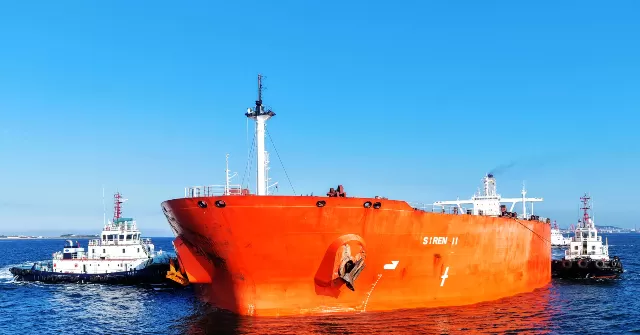
Amidst rising tensions in the Middle East, Iran’s Islamic Revolutionary Guard Corps (IRGC) has been making headlines with its threats to close the vital Strait of Hormuz to worldwide oil shipping. However, in a surprising turn of events, the IRGC has now modified its stance, claiming that the strait will remain open to friendly nations. This shift in rhetoric comes after intense pressure from China and a potential offer from the US to provide naval escort to ships passing through the strait. This development has raised hopes for a peaceful resolution to the ongoing crisis.
The Strait of Hormuz, located between Iran and Oman, is a crucial waterway through which a significant portion of the world’s oil supply passes. Any disruption in the flow of oil through this narrow strait would have catastrophic consequences for the global economy. Iran’s threats to close the strait have been a cause of concern for the international community, with many fearing a potential military confrontation.
However, in a recent statement, the IRGC has announced that it would only target American, Israeli, and European ships in the strait, leaving the passage open for other nations. This sudden change in stance can be attributed to the mounting pressure from China, one of Iran’s closest allies. China, being the largest importer of Iranian oil, has a significant stake in the stability of the Strait of Hormuz. It has been actively engaging with Iran to find a peaceful solution to the crisis and has urged the country to refrain from any actions that could escalate tensions in the region.
Moreover, the US has also offered to provide naval escort to ships passing through the strait, in an effort to ensure the safety of international trade. This offer comes in the wake of recent attacks on oil tankers in the Gulf of Oman, which the US has blamed on Iran. The US Navy’s presence in the region would act as a deterrent to any potential threats from the IRGC, further easing the fears of a disruption in oil shipping.
The IRGC’s decision to only target specific nations also reflects a change in its approach towards the situation. By limiting its threats to American, Israeli, and European ships, the IRGC is sending a message that it does not intend to harm the interests of other nations. This move can be seen as a positive step towards de-escalating tensions and finding a peaceful resolution to the crisis.
The international community has welcomed this development and has expressed hope for a peaceful resolution to the crisis. The United Nations has urged all parties to exercise restraint and engage in dialogue to find a solution. The European Union has also called for a de-escalation of tensions in the region and has emphasized the importance of keeping the Strait of Hormuz open for international trade.
This shift in the IRGC’s stance has also been met with relief from the oil industry. The threat of a disruption in oil shipping has caused a spike in oil prices, which could have a significant impact on the global economy. The IRGC’s reassurance that the strait will remain open to friendly nations has brought some stability to the market and eased concerns about a potential oil crisis.
In conclusion, the IRGC’s decision to modify its threats and keep the Strait of Hormuz open for friendly nations is a positive development in the ongoing crisis. The pressure from China and the potential offer from the US to provide naval escort have played a crucial role in this decision. It is now up to all parties involved to continue engaging in dialogue and find a peaceful resolution to the tensions in the region. The world is watching, and it is time for all nations to come together and work towards a peaceful and stable Middle East.