
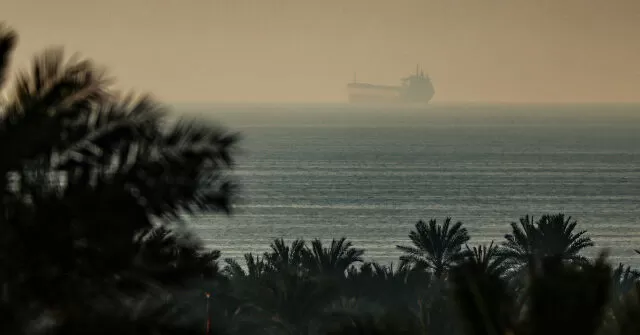
Iran’s Islamic Revolutionary Guard Corps (IRGC) has once again caused alarm in the international community by announcing the closure of the strategically vital Strait of Hormuz to all shipping traffic. This move by the IRGC, which has been designated as a terrorist organization by the United States, has raised concerns about the safety and security of the region’s waterways.
The Strait of Hormuz, located between Iran and Oman, is one of the world’s most important shipping lanes, with nearly one-fifth of the world’s oil passing through it. This narrow waterway connects the Persian Gulf to the Gulf of Oman and is crucial for the transportation of oil from the Middle East to the rest of the world. Any disruption to the flow of traffic through this strait could have serious consequences for the global economy.
The announcement by the IRGC has been met with condemnation from the international community, with many countries expressing their concern over the potential impact on global trade. The United States, in particular, has strongly condemned this move by the IRGC, calling it a “clear attempt to disrupt the free flow of commerce.” The US has also warned Iran of serious consequences if it continues to threaten the safety and security of the region’s waterways.
This is not the first time that Iran has threatened to close the Strait of Hormuz. In 2019, tensions between Iran and the US reached a boiling point, with the US accusing Iran of attacking oil tankers in the region. In response, the US deployed additional military forces to the region, and Iran threatened to close the strait in retaliation. However, this latest announcement by the IRGC has once again raised concerns about the stability of the region.
The closure of the Strait of Hormuz would not only affect the transportation of oil but also other goods and commodities. This could lead to a rise in prices and have a significant impact on the global economy. It could also lead to an increase in tensions between Iran and other countries, which could have serious consequences for the region’s stability.
The IRGC’s actions have been widely condemned by the Iranian people, who have been suffering from the economic consequences of US sanctions. The Iranian people have taken to the streets in recent months to protest against the government’s mismanagement of the economy and its support for terrorist organizations like the IRGC. The people of Iran have made it clear that they do not support the IRGC’s actions and want a peaceful and prosperous future for their country.
The closure of the Strait of Hormuz is a clear indication of the IRGC’s disregard for international law and its willingness to disrupt the global economy for its own political agenda. This move by the IRGC is not only a threat to the safety and security of the region but also a threat to the global economy. It is imperative that the international community takes a strong stance against Iran’s actions and holds the IRGC accountable for its actions.
The United States has already taken steps to ensure the safety and security of the region’s waterways by deploying additional military forces to the region. Other countries must also come together to condemn Iran’s actions and take necessary measures to protect the free flow of commerce through the Strait of Hormuz.
In conclusion, the closure of the Strait of Hormuz by the IRGC is a reckless and dangerous move that threatens the stability of the region and the global economy. It is imperative that the international community takes a strong stance against Iran’s actions and holds the IRGC accountable for its actions. The people of Iran deserve a peaceful and prosperous future, and it is time for the IRGC to stop its terrorist activities and work towards the betterment of its own people.