
Is a Range Hood Necessary? What Homeowners Should Know About Code, Safety, and Value
When it comes to kitchen appliances, the range hood may not be the most glamorous or exciting one. However, it plays a crucial role in keeping your kitchen safe, clean, and free from harmful pollutants. But is it necessary to have a range hood by code? The answer is yes. Understanding ventilation rules, gas stove risks, and what homeowners should consider is essential for making an informed decision about this often overlooked but vital kitchen appliance.
What is a Range Hood?
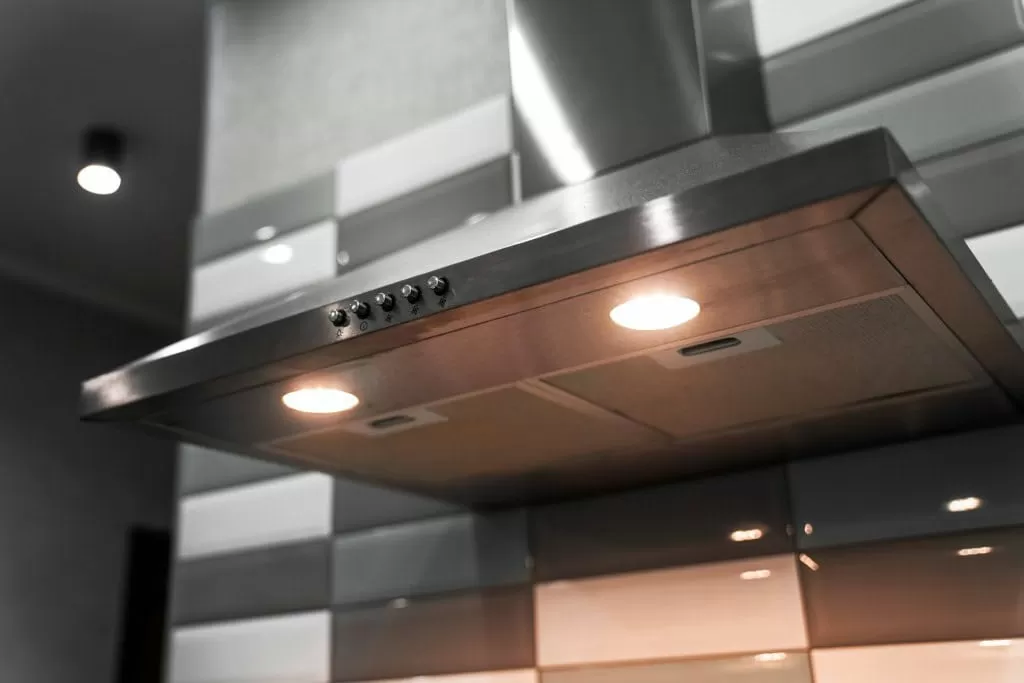
A range hood, also known as a vent hood or exhaust hood, is a kitchen appliance that is installed above the stove or cooktop. Its primary function is to remove smoke, steam, grease, and other airborne particles that are produced during cooking. It does this by either filtering the air and recirculating it back into the kitchen or venting it outside through a duct system.
Ventilation Rules and Code Requirements
The International Residential Code (IRC) and the International Mechanical Code (IMC) are the two main codes that govern the installation of range hoods in homes. These codes are enforced by local building departments and are meant to ensure the safety and well-being of homeowners.
According to the IRC, all homes must have a mechanical ventilation system in the kitchen that is capable of exhausting a minimum of 100 cubic feet per minute (CFM) of air. This requirement applies to all kitchens, regardless of the type of cooking appliance used. The IMC, on the other hand, requires that range hoods be vented to the outside and not recirculated back into the kitchen.
Additionally, some local building codes may have stricter requirements for range hoods, such as minimum height above the cooktop and maximum noise levels. It is essential to check with your local building department to ensure that your range hood installation complies with all codes and regulations.
Gas Stove Risks and the Importance of Proper Ventilation
Gas stoves are a popular choice for cooking in many homes. However, they can also pose significant health risks if not properly ventilated. When cooking with gas, harmful pollutants such as carbon monoxide, nitrogen dioxide, and formaldehyde can be released into the air. These pollutants can cause respiratory problems, headaches, and other health issues.
Proper ventilation, provided by a range hood, is crucial in removing these pollutants from the air and maintaining a safe and healthy environment in your kitchen. It is especially important for those with respiratory conditions or allergies to have a well-functioning range hood to prevent exposure to these harmful substances.
Considerations for Homeowners
Aside from code requirements and safety concerns, there are other factors that homeowners should consider when deciding on a range hood for their kitchen.
Firstly, the size and layout of your kitchen will play a significant role in determining the type of range hood that will work best for your space. For smaller kitchens, a ductless range hood may be a more practical and cost-effective option, as it does not require any ductwork installation. However, for larger kitchens and those with high cooking volumes, a ducted range hood is recommended for its superior performance in removing pollutants and odors.
Secondly, the type of cooking you do should also be taken into account. If you frequently use your stovetop for high-heat cooking methods, such as frying or grilling, a more powerful range hood with a higher CFM rating is necessary to effectively remove the excess heat and smoke.
Lastly, the aesthetic and design of your kitchen should also be considered. Range hoods come in various styles, from sleek and modern to more traditional designs. Choosing a range hood that complements your kitchen’s overall look can add to its value and appeal.
In Conclusion
In summary, a range hood is necessary by code for all homes and plays a crucial role in maintaining a safe and healthy kitchen environment. Proper ventilation is essential, especially for those with gas stoves, to prevent exposure to harmful pollutants. Homeowners should consider factors such as kitchen size, cooking habits, and design when selecting a range hood for their kitchen. Investing in a high-quality range hood not only ensures compliance with code requirements but also adds value to your home and promotes a healthier living space.