
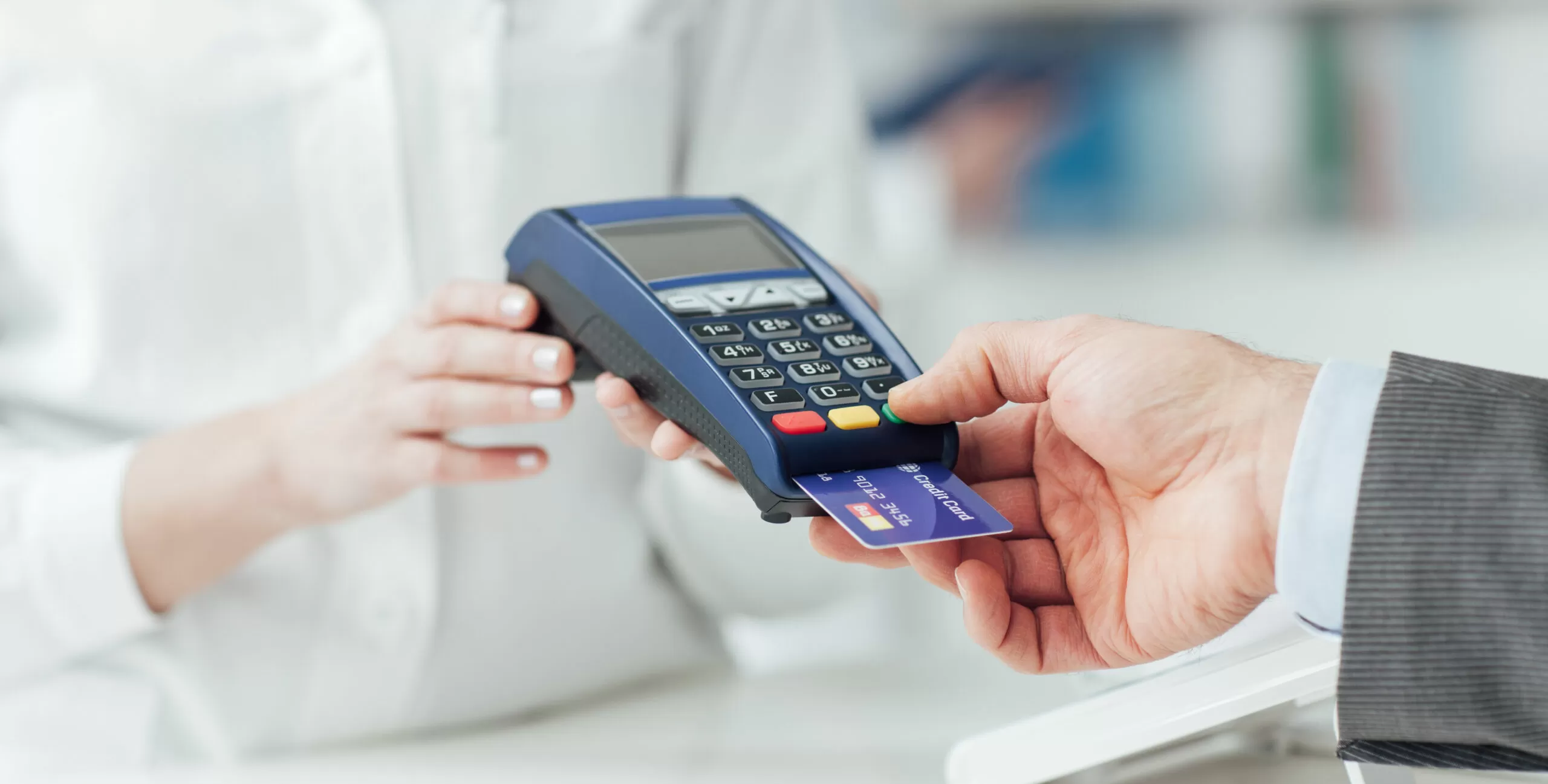
As a small business owner, you may have come across the term “PDQ machine” when looking into payment processing options for your business. But what exactly is a PDQ machine and how does it work? In this article, we will dive into the world of PDQ machines and provide you with all the information you need to know about this essential tool for small businesses and SMEs in the UK.
Firstly, let’s start with the basics. A PDQ machine, also known as a card machine, is a device that allows businesses to accept card payments from their customers. PDQ stands for “Process Data Quickly,” which accurately describes the main function of these machines – to process transactions quickly and securely.
So how does a PDQ machine work? It’s a simple process that involves a few steps. First, the customer inserts their card into the machine, or in the case of contactless payments, they tap their card on the machine. The machine then reads the card’s information and sends it to the customer’s bank for verification. Once the transaction is approved, the customer enters their PIN if necessary, and the payment is processed. The machine then prints a receipt for the customer, and the transaction is complete.
Now that you have a basic understanding of how PDQ machines work, let’s explore their benefits for small businesses. Firstly, PDQ machines offer a fast and convenient way for customers to pay for goods and services. With the rise of contactless payments, customers expect businesses to have a card machine, and not having one could result in lost sales. Additionally, PDQ machines eliminate the need for cash handling, reducing the risk of human error and theft.
Moreover, PDQ machines also offer a secure payment option for both businesses and customers. With advanced encryption and fraud prevention measures, these machines ensure that transactions are safe and protected from potential cyber threats. This can give customers peace of mind when making transactions, leading to increased trust and loyalty towards your business.
Now that you understand the benefits of PDQ machines, you may be wondering about the cost. The price of a PDQ machine can vary depending on the type of machine and the provider you choose. Generally, there are two types of PDQ machines – countertop and portable. Countertop machines are typically cheaper and are designed for businesses with a fixed payment point, such as a checkout counter. Portable machines, on the other hand, are more expensive but offer the flexibility of accepting payments anywhere on your business premises.
In terms of providers, there are various options available, including banks, independent sales organizations, and payment service providers. It’s essential to do your research and compare prices and features to find the best fit for your business. Some providers may also offer rental options, which could be a more affordable option for small businesses.
In conclusion, PDQ machines are a vital tool for small businesses and SMEs in the UK. They offer a fast, convenient, and secure way for customers to pay, ultimately improving the overall customer experience. While the cost may seem daunting, the benefits far outweigh the investment, and with the various options available, you can find a solution that fits your business’s needs and budget. So don’t hesitate to invest in a PDQ machine and take your business to the next level of payment processing efficiency.