
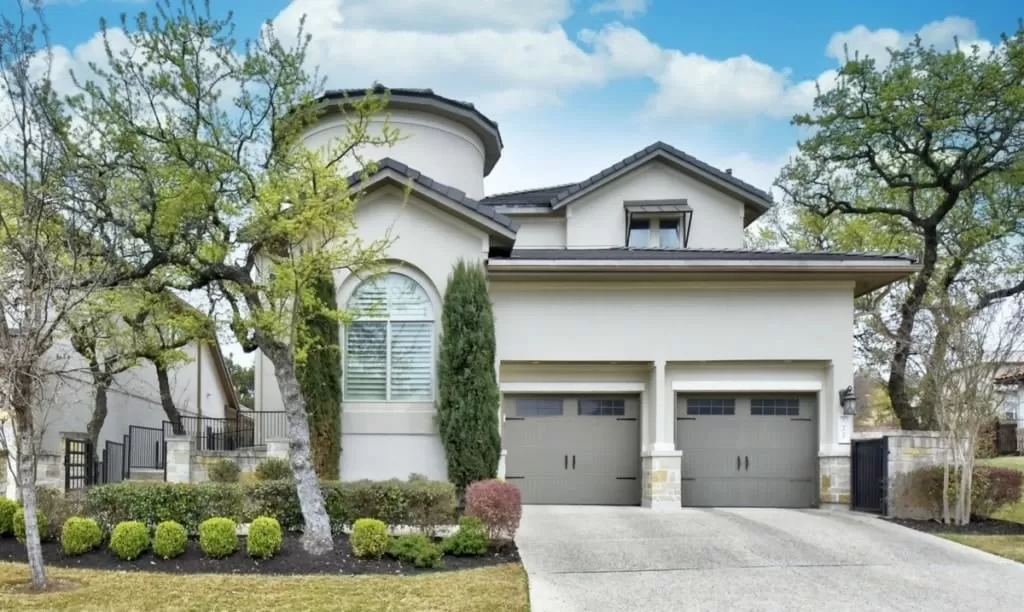
A home inspection is a crucial step in the home buying process. It is a thorough examination of a house’s physical structure and systems, and it is typically conducted before the sale can be finalized. The purpose of a home inspection is to identify any potential issues or problems with the property that may affect its value or safety. It is an essential contingency that protects both the buyer and the seller in a real estate transaction.
So, what exactly do home inspectors look for during an inspection? From the roof to the foundation, here are the main issues that home inspectors focus on when inspecting a home.
Roof and Attic
The first thing a home inspector will do is examine the roof. They will look for any signs of damage, such as missing or damaged shingles, sagging areas, or leaks. The inspector will also check the attic for proper insulation and ventilation. A well-maintained roof is crucial for protecting the home from the elements, so any issues found here should be addressed promptly.
Foundation and Structure
A solid foundation is essential for a home’s structural integrity. Home inspectors will carefully examine the foundation and look for any cracks or signs of settling. They will also check the walls, floors, and ceilings for any structural issues, such as bowing or unevenness. Any problems with the foundation or structure can be costly to fix, so it’s crucial to catch them early on.
Electrical System
The electrical system is another critical area that home inspectors will thoroughly examine. They will check the electrical panel, outlets, and wiring for any safety hazards or code violations. They will also make sure that the system is properly grounded and can handle the home’s electrical needs. Electrical issues can pose a significant safety risk, so it’s crucial to address them before moving forward with a home purchase.
Plumbing System
The plumbing system is another essential aspect of a home inspection. Inspectors will check for leaks, proper drainage, and water pressure. They will also examine the water heater and all visible pipes for any signs of damage or wear. A faulty plumbing system can lead to costly repairs and potential water damage, so it’s essential to have it thoroughly inspected.
Heating and Cooling Systems
Home inspectors will also evaluate the home’s heating and cooling systems. They will check the furnace, air conditioner, and ductwork to ensure they are in good working condition. They will also test the thermostat and make sure the home has proper ventilation. A malfunctioning HVAC system can be expensive to repair or replace, so it’s crucial to have it inspected before purchasing a home.
Appliances and Fixtures
During a home inspection, inspectors will also test all appliances and fixtures to make sure they are in good working condition. This includes the stove, dishwasher, refrigerator, and any other built-in appliances. They will also check the faucets, toilets, and other plumbing fixtures for any leaks or issues. Any faulty appliances or fixtures should be addressed before closing on the home.
Overall Safety and Maintenance
In addition to these specific areas, home inspectors will also evaluate the overall safety and maintenance of the home. This includes checking for safety hazards such as mold, radon, or asbestos. They will also look for any signs of water damage, pest infestations, or structural issues. Inspectors will also note any necessary maintenance tasks, such as replacing the roof or updating the electrical system.
In conclusion, a home inspection is a crucial step in the home buying process. It provides buyers with valuable information about the condition of the property and can help them make an informed decision about their purchase. By thoroughly examining the roof, foundation, electrical and plumbing systems, heating and cooling systems, appliances, and overall safety and maintenance of the home, home inspectors ensure that buyers are aware of any potential issues before finalizing the sale. So, if you’re in the process of buying a home, make sure to include a home inspection as part of your due diligence. It’s a small investment that can save you from costly surprises down the road.