
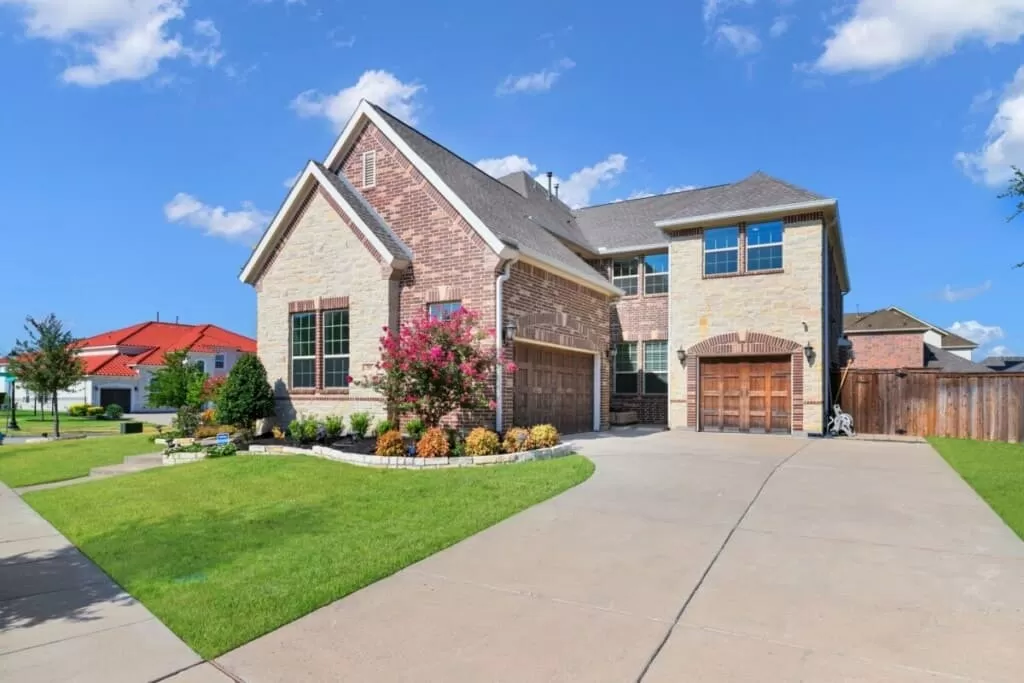
Closing on a House: The Final Step in Making Your Dream Home a Reality
Buying a house is an exciting and daunting journey. From searching for your dream home to making an offer, negotiating the price, and getting approved for a mortgage, there are many steps involved in the home buying process. But perhaps the most important and final step is closing on the house.
Closing on a house is the process of transferring ownership of a property from the seller to the buyer. This is when all the legal and financial aspects of the home purchase are finalized, and the keys to your new home are officially handed over to you. It can be a nerve-wracking and overwhelming experience, but knowing the steps involved can help ease some of the stress. So, let’s take a closer look at the 10 steps to closing on a house and what happens on closing day.
Step 1: Have a Contract
Before you can begin the closing process, you must first have a signed purchase agreement or contract in place. This is a legally binding document that outlines the terms and conditions of the sale, including the price, closing date, and any contingencies or conditions that must be met before the sale can be finalized.
Step 2: Conduct a Home Inspection
Once the contract is signed, it’s important to have a home inspection done. This is a thorough examination of the property by a professional to identify any potential issues or repairs that may need to be addressed before closing. If any major issues are found, you may negotiate with the seller to have them fixed or ask for a credit towards the cost of repairs.
Step 3: Secure Financing
Unless you’re buying the house outright with cash, you will need to secure financing for the purchase. This involves getting pre-approved for a mortgage and finding a lender who will give you the best interest rate and terms. It’s essential to have all the necessary documents, including your credit score, income statements, and tax returns, ready for the lender.
Step 4: Get Title Insurance
Title insurance is a crucial step in the closing process. It protects you and your lender from any future claims or legal disputes over the property’s ownership. A title company will conduct a thorough search of public records to ensure there are no liens, judgments, or other issues that could affect your ownership.
Step 5: Finalize the Mortgage
Once your mortgage is approved, you will receive a commitment letter from the lender outlining the terms and conditions of the loan. You must review this carefully and make sure you understand all the details before signing. You will also need to pay any closing costs and fees associated with the mortgage.
Step 6: Review the Closing Disclosure
The Closing Disclosure is a document that outlines all the financial aspects of the home purchase, including the loan amount, interest rate, and closing costs. It must be provided to you at least three days before closing so you can review it and make sure everything is accurate.
Step 7: Do a Final Walk-Through
Before closing, it’s essential to do a final walk-through of the property to make sure it’s in the same condition as when you made the offer. This is also an opportunity to ensure any repairs or agreed-upon changes have been completed.
Step 8: Transfer Funds
On closing day, you will need to bring a cashier’s check or wire transfer the funds for the down payment and closing costs. The title company will also provide a breakdown of all the payments and fees you are responsible for.
Step 9: Sign the Documents
At the closing, you will be presented with a stack of documents to sign, including the deed, mortgage note, and other legal and financial paperwork. It’s crucial to read and understand each document before signing to avoid any surprises later on.
Step 10: Get the Keys
Once all the documents are signed and the funds are transferred, the title company will record the deed, and you will officially become the new homeowner. The keys to your new house will then be handed over, and you can celebrate the end of the home buying journey.
Closing on a house is a complex process, but with the right preparation and a knowledgeable team by your side, it can be a smooth and exciting experience. So, on closing day, take a deep breath, relax, and enjoy the moment as you finally become a homeowner.
In conclusion, closing on a house is the final and most significant step in making your dream home a reality