
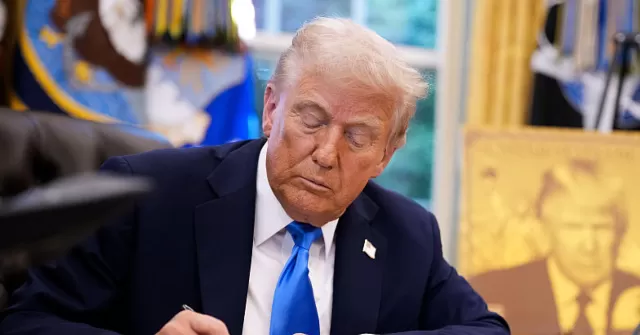
President Donald Trump has recently announced a revamp of the controversial H-1B outsourcing program, which has sparked cautious approval from advocates for American professionals and college graduates. The new system will replace the current lottery system with a merit-based system, in an effort to prioritize highly skilled workers and protect American jobs.
The H-1B program, which allows US companies to hire foreign workers for specialized jobs, has long been a topic of debate. Critics argue that it has been used to exploit cheap labor and replace American workers, while supporters believe it is necessary to fill the skills gap in certain industries. However, President Trump’s revamp of the program aims to address these concerns and ensure that American workers are given priority.
Under the new system, the H-1B visas will be awarded based on a merit system, giving preference to highly skilled workers with advanced degrees or specialized skills. This will not only benefit American companies by bringing in the best talent, but it will also protect American jobs by ensuring that only the most qualified individuals are granted visas.
The move has been met with cautious approval from advocates for American professionals and college graduates. They believe that the new system will help level the playing field for American workers and give them a fair chance to compete for high-skilled jobs. In the past, the lottery system has been criticized for being unpredictable and unfair, often leading to the hiring of less qualified foreign workers over American candidates.
The revamp of the H-1B program is a part of President Trump’s “America First” agenda, which focuses on prioritizing American workers and protecting their jobs. This move sends a strong message that the current administration is committed to putting American workers first and ensuring that they have access to high-paying, high-skilled jobs.
The new system also includes measures to prevent abuse and fraud within the program. This includes increasing the minimum salary for H-1B workers to $130,000, which will discourage companies from using the program to hire cheap labor. It will also require companies to provide evidence that they have tried to hire American workers before turning to foreign workers.
The scrapping of the lottery system is a significant change that will have a positive impact on the American job market. The current system has been criticized for being a “lottery for cheap labor,” where companies would submit multiple applications in the hopes of increasing their chances of getting a visa. This often resulted in American workers being overlooked for jobs in favor of cheaper foreign labor. The new merit-based system will ensure that only the most qualified individuals are granted visas, leveling the playing field for American workers.
Critics of the revamp argue that it will make it harder for small businesses and startups to hire foreign workers, as they may not have the resources to compete for highly skilled workers. However, the new system will still allow for the hiring of foreign workers, as long as they meet the criteria for the merit-based system. This will ensure that the program continues to serve its intended purpose of filling the skills gap in certain industries.
In addition to revamping the H-1B program, President Trump has also taken steps to protect American workers by limiting the number of visas issued for certain industries and increasing the scrutiny of visa applications. This will ensure that the program is not being used to replace American workers, but rather to supplement the American workforce with highly skilled individuals.
In conclusion, President Trump’s revamp of the H-1B outsourcing program is a positive step towards protecting American jobs and prioritizing American workers. The new merit-based system will ensure that only the most qualified individuals are granted visas, leveling the playing field for American workers. This move sends a strong message that the current administration is committed to putting American workers first and ensuring that they have access to high-paying, high-skilled jobs.