
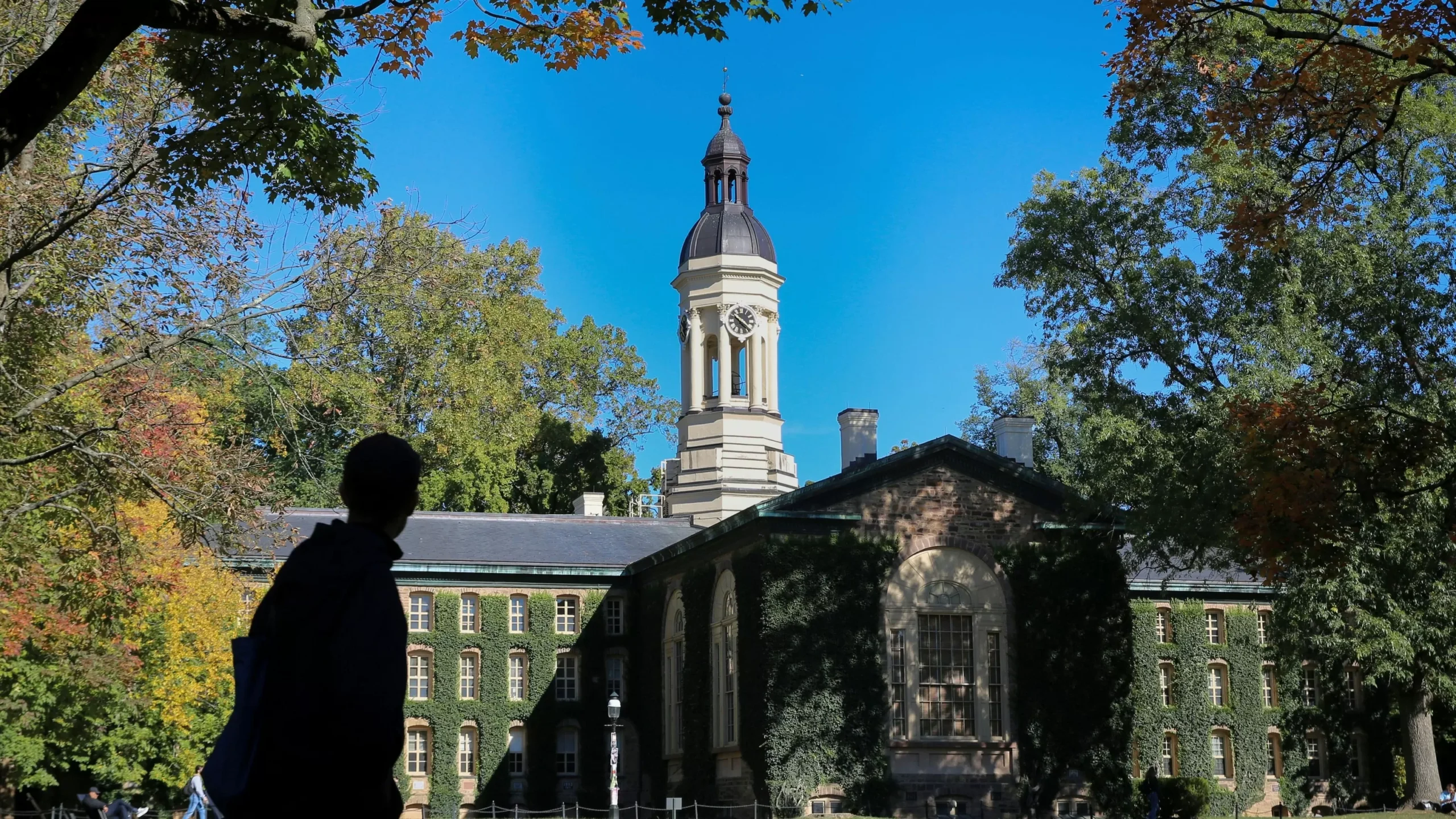
In recent years, there has been a growing trend among some of the nation’s most prestigious colleges to prioritize economic diversity in their admissions process. This shift has been prompted by a ban on affirmative action, which has forced universities to find new ways to promote diversity on their campuses. As a result, record numbers of low-income students are now being enrolled in these top-tier institutions, providing them with opportunities that were once out of reach.
For many years, affirmative action policies were used by colleges and universities to promote diversity and provide opportunities for underrepresented groups. However, in recent years, these policies have come under fire and have been banned in several states. This has left many institutions struggling to find alternative ways to promote diversity and ensure that their student body reflects the diverse makeup of our society.
One of the most effective ways that colleges have found to promote diversity is by enrolling more low-income students. These students often come from underprivileged backgrounds and may not have had the same access to resources and opportunities as their wealthier peers. By enrolling a larger number of low-income students, colleges are not only promoting economic diversity but also providing these students with a chance to break the cycle of poverty and achieve their full potential.
The results of this shift in admissions policies have been remarkable. According to a recent report by the Jack Kent Cooke Foundation, the number of low-income students enrolled in the nation’s most selective colleges has increased by 20% in the last decade. This is a significant achievement and a testament to the commitment of these institutions to promote economic diversity.
One of the universities leading the way in this effort is the University of California, Berkeley. Despite the ban on affirmative action in California, the university has made a concerted effort to enroll more low-income students. As a result, the number of low-income students at Berkeley has increased by 50% in the last decade, making it one of the most economically diverse campuses in the country.
Other prestigious universities, such as Harvard, Yale, and Princeton, have also seen a significant increase in the enrollment of low-income students. These institutions have implemented various programs and initiatives to attract and support these students, including financial aid, mentorship programs, and outreach efforts to high schools in low-income communities.
The benefits of this shift towards economic diversity are not limited to the students themselves. It also has a positive impact on the entire campus community. By bringing together students from different economic backgrounds, universities are creating a more inclusive and diverse learning environment. This exposure to different perspectives and experiences enriches the educational experience for all students and prepares them for the diverse world they will enter after graduation.
Moreover, by enrolling more low-income students, these universities are also helping to bridge the gap between the rich and the poor. Education has long been seen as a means to upward social mobility, and by providing opportunities for low-income students to attend these prestigious institutions, universities are helping to level the playing field and create a more equal society.
Of course, there is still much work to be done in promoting economic diversity on college campuses. Many low-income students still face significant barriers in accessing higher education, and it is essential that universities continue to prioritize this issue. This includes not only enrolling more low-income students but also providing them with the necessary support and resources to succeed.
In conclusion, the trend of enrolling record numbers of low-income students in some of the nation’s most prestigious colleges is a positive and necessary step towards promoting economic diversity. It not only provides opportunities for underprivileged students but also creates a more inclusive and diverse campus community. As we continue to strive for a more equal society, it is crucial that universities continue to prioritize economic diversity in their admissions process. After all, education should be a right, not a privilege, and these institutions are leading the way in making that a reality.