
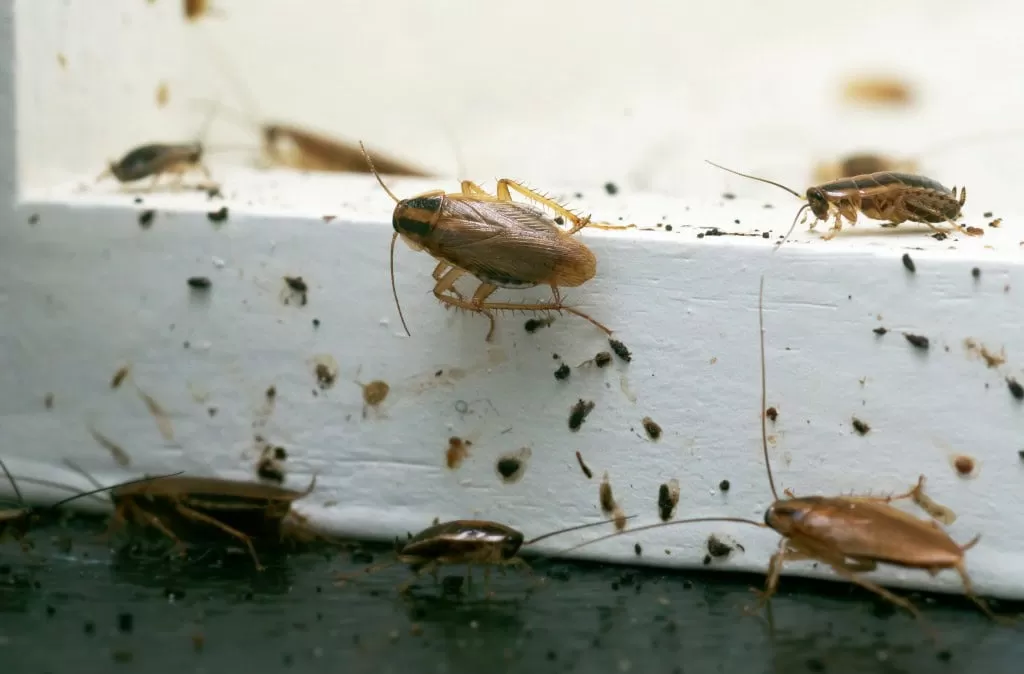
Pests – the mere thought of them can send shivers down one’s spine. These unwanted creatures are not only a nuisance, but they can also cause serious damage to our homes. From termites destroying the structure of our homes to rats chewing through our wires, pests can wreak havoc if left unchecked. The key to protecting our homes from pest infestations is to spot the subtle clues early on and take necessary measures before it’s too late.
The truth is, pests are always looking for a way into our homes. They are attracted to food sources, moisture, and shelter. And once they find their way in, they can quickly reproduce and create a full-blown infestation. This is why it’s crucial to be vigilant and lookout for any signs of pest activity in and around your home.
One of the most common pests found in homes is ants. These tiny creatures may seem harmless, but they can become a real nuisance if left unchecked. The first sign of an ant infestation is usually seeing a trail of ants marching towards a food source. This could be in your kitchen, pantry, or even in your living room. If you notice ants in your home, it’s important to act quickly and eliminate the source of attraction. Keep your kitchen counters clean, store food in airtight containers, and seal any cracks or openings in your walls or windows.
Termites, on the other hand, are much more destructive. These silent invaders can go unnoticed for months, causing significant damage to the structure of our homes. The first sign of a termite infestation is usually mud tubes on your walls or wooden structures. These are the tunnels that termites build to travel from their nest to a food source. If you notice these mud tubes, it’s essential to call in a professional pest control service immediately. The longer you wait, the more damage these termites can cause.
Rodents, such as rats and mice, are another common pest found in homes. These creatures not only spread diseases but can also cause damage by chewing through wires, furniture, and even walls. If you notice droppings, gnaw marks, or a stale odor in your home, it’s a sign of a rodent infestation. These pests are very sneaky and can squeeze through tiny openings, so it’s important to seal any gaps or cracks in your home’s exterior. You can also set traps or call in a professional to get rid of the rodents and prevent further infestations.
Apart from these common household pests, there are also other creatures like bedbugs, cockroaches, and spiders that can cause havoc in our homes. While some signs of infestation may be visible, others may be more subtle. It’s crucial to conduct regular inspections of your home and address any issues as soon as possible.
But how do we spot these subtle clues of pests before it’s too late? Here are a few tips to help you stay on top of any potential pest infestations:
1. Conduct regular inspections: Make it a habit to inspect your home, both inside and outside, for any signs of pests. Look for cracks, holes, or gaps in your walls, windows, and doors, as these could be entry points for pests. Also, check for any signs of infestation, such as droppings, nests, or damage to furniture or structures.
2. Keep your home clean: Pests are attracted to food sources and moisture. By keeping your home clean and tidy, you are eliminating potential attractions for pests. Make sure to clean up any spills or crumbs immediately, and don’t leave dirty dishes in the sink overnight. Regularly take out the trash and keep your pantry and kitchen cabinets organized and clutter-free.
3. Seal any openings: As mentioned earlier, pests can enter our homes through tiny openings. It’s essential to seal any cracks or gaps in your walls, windows, and doors to prevent easy access for pests.
4. Keep your yard tidy: Pests can also find shelter in your yard, so it’s important to keep it well-maintained. Trim bushes and trees regularly, remove any debris or clutter, and store firewood away from your home. This will make your yard less appealing to pests and reduce the chances of them finding their way inside.
5. Act quickly: If you do spot any signs of pest activity in your home, it’s crucial to act quickly. Don’t wait for the problem to escalate and become a