
Selling your home can be an overwhelming and stressful process, especially when it comes to repairs and renovations. One of the biggest concerns for sellers is determining which repairs are necessary and which ones can be left alone. It’s tempting to fix every flaw in your home, but the reality is that not all repairs are worth your time and money. In fact, some buyers prefer to make their own updates, so it’s important to know which issues to address and which ones to leave alone. Here’s a smart seller’s guide on what not to fix when selling your house.
First and foremost, it’s important to keep in mind that every buyer has different preferences and priorities. What may seem like a major issue to you, may not even faze a potential buyer. That being said, it’s always a good idea to tackle any major repairs that can affect the safety or structural integrity of your home. This includes issues like a leaky roof, faulty electrical wiring, or a cracked foundation. These problems can be deal-breakers for buyers and should be addressed before putting your house on the market.
However, there are certain repairs that may not be worth your time and money. For example, cosmetic issues like chipped paint, outdated fixtures, or worn carpets may not have a significant impact on the value of your home. In fact, some buyers may prefer to make these updates themselves and tailor the home to their own tastes. Instead of spending time and money on these repairs, consider offering a credit to the buyer for them to make the updates themselves.
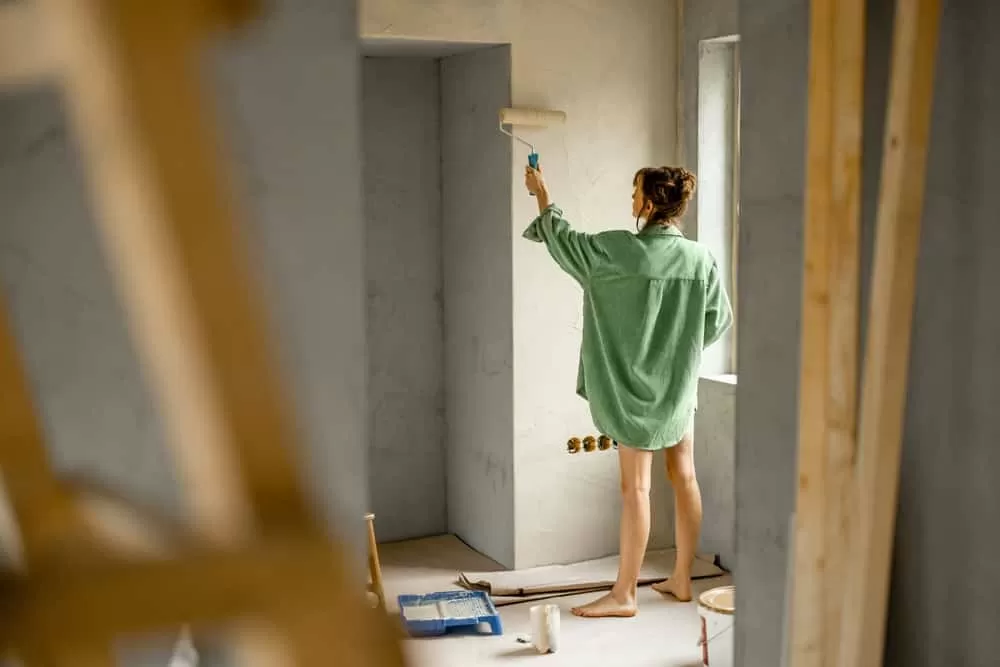
Another common mistake that sellers make is investing in major renovations right before selling their home. While it may seem like a good idea to upgrade your kitchen or bathroom, the truth is that these projects can be costly and may not necessarily increase the value of your home. Plus, the buyer may have different preferences and may end up changing the renovations anyway. Instead, focus on smaller, more budget-friendly updates that can give your home a fresh and modern look, such as a fresh coat of paint or new hardware for cabinets and doors.
When it comes to repairs, it’s also important to prioritize and budget wisely. Don’t overspend on repairs and upgrades that won’t benefit you in the long run. Instead, focus on fixing any major issues and making your home presentable and inviting to potential buyers. Remember, the goal is to sell your home, not create a perfect, dream house for someone else.
Additionally, it’s important to consider the market and the current trends when deciding which repairs to prioritize. For example, in a seller’s market where there is high demand for homes, you may not need to invest as much in repairs and updates. However, in a buyer’s market where there is more competition, it may be wise to make some necessary repairs and upgrades to make your home stand out.
It’s also worth noting that some buyers may appreciate a home with some character and flaws. This can make your home feel more unique and special, and may even help it stand out in the market. So don’t be too quick to fix every little flaw, as these imperfections can add charm and personality to your home.
In conclusion, selling your home doesn’t mean fixing every flaw. It’s important to prioritize and budget wisely when it comes to repairs and updates. Focus on addressing any major issues that can affect the safety or structural integrity of your home, and consider offering credits to buyers for cosmetic updates. Keep in mind the market and current trends, and don’t be afraid to embrace the imperfections of your home. By following these tips, you can sell your house with confidence and avoid wasting time and money on unnecessary repairs. Happy selling!