
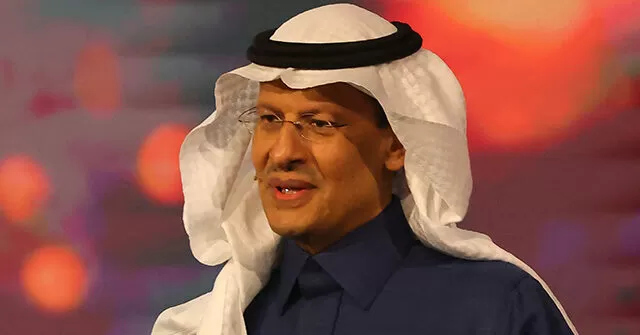
On Wednesday, U.S. Energy Secretary Chris Wright and Saudi Arabian Energy Minister Prince Abdulaziz bin Salman al-Saud came together to sign a historic joint declaration, solidifying a new era of cooperation between the two nations in the field of civilian nuclear power.
The agreement, which has been in the works for some time now, is significant for both the United States and Saudi Arabia. For Saudi Arabia, it marks a major step towards fulfilling its long-standing ambition of becoming a major player in the global nuclear energy sector. And for the United States, it strengthens its ties with a key ally in the Middle East, underscoring the importance of mutual cooperation and partnership in the realm of energy.
The joint declaration outlines a framework for bilateral cooperation in various areas related to civilian nuclear power, including research and development, technology transfer, safety and security, and waste management. This marks a significant milestone in the relationship between the two nations, with the potential to bring about tremendous benefits in terms of energy security, economic growth, and technological advancement.
One of the key goals of the agreement is to facilitate the deployment of advanced nuclear energy technology in Saudi Arabia, with a focus on developing a robust and sustainable nuclear energy program. This will not only help the nation meet its growing energy demands but also reduce its dependence on fossil fuels, thereby contributing to global efforts in combating climate change.
Moreover, the agreement also opens up avenues for collaboration between U.S. and Saudi nuclear industries, providing a platform for knowledge sharing and technological advancements. This, in turn, will create job opportunities and drive economic growth in both countries. The potential for joint research and development projects in the field of nuclear energy is also an exciting prospect, with the potential to drive innovation and progress in the industry.
In addition to promoting nuclear energy cooperation, the joint declaration also underscores the commitment of both nations to maintaining the highest levels of safety and security standards in the development and operation of nuclear energy facilities. This is imperative, given the potential risks associated with nuclear technology. By working together, the U.S. and Saudi Arabia can ensure that nuclear energy is harnessed responsibly and sustainably, without compromising the safety and security of their citizens.
The signing of this agreement is a testament to the strong and enduring relationship between the United States and Saudi Arabia. The two nations have long been strategic partners, and this agreement serves to further strengthen their ties. In his remarks at the signing ceremony, Secretary Wright emphasized the importance of this partnership, stating, “Our collaboration and partnership in the field of civilian nuclear power will not only benefit our two countries but will also contribute to global energy security and progress.”
Similarly, Prince Abdulaziz bin Salman al-Saud highlighted the potential of this agreement to bring about positive change, stating, “We are confident that this joint declaration will pave the way for further cooperation in the field of nuclear energy, benefiting both our nations and the world at large.”
With this joint declaration, the U.S. and Saudi Arabia have taken a significant step towards a brighter, cleaner, and more sustainable future. The potential for collaboration in the field of civilian nuclear power is immense, offering a wealth of opportunities in terms of energy security, economic growth, and technological advancement. This agreement not only serves as a symbol of the strong partnership between the two nations but also sets the foundation for future endeavors in shaping a better world for generations to come.
In the midst of a global pandemic and economic uncertainty, the signing of this joint declaration is a beacon of hope, showcasing the power of international cooperation and partnerships in overcoming challenges. As we move forward, let us look to the U.S. and Saudi Arabia as an example of how two nations can join hands, despite their differences, to work towards a common goal for the betterment of all.