
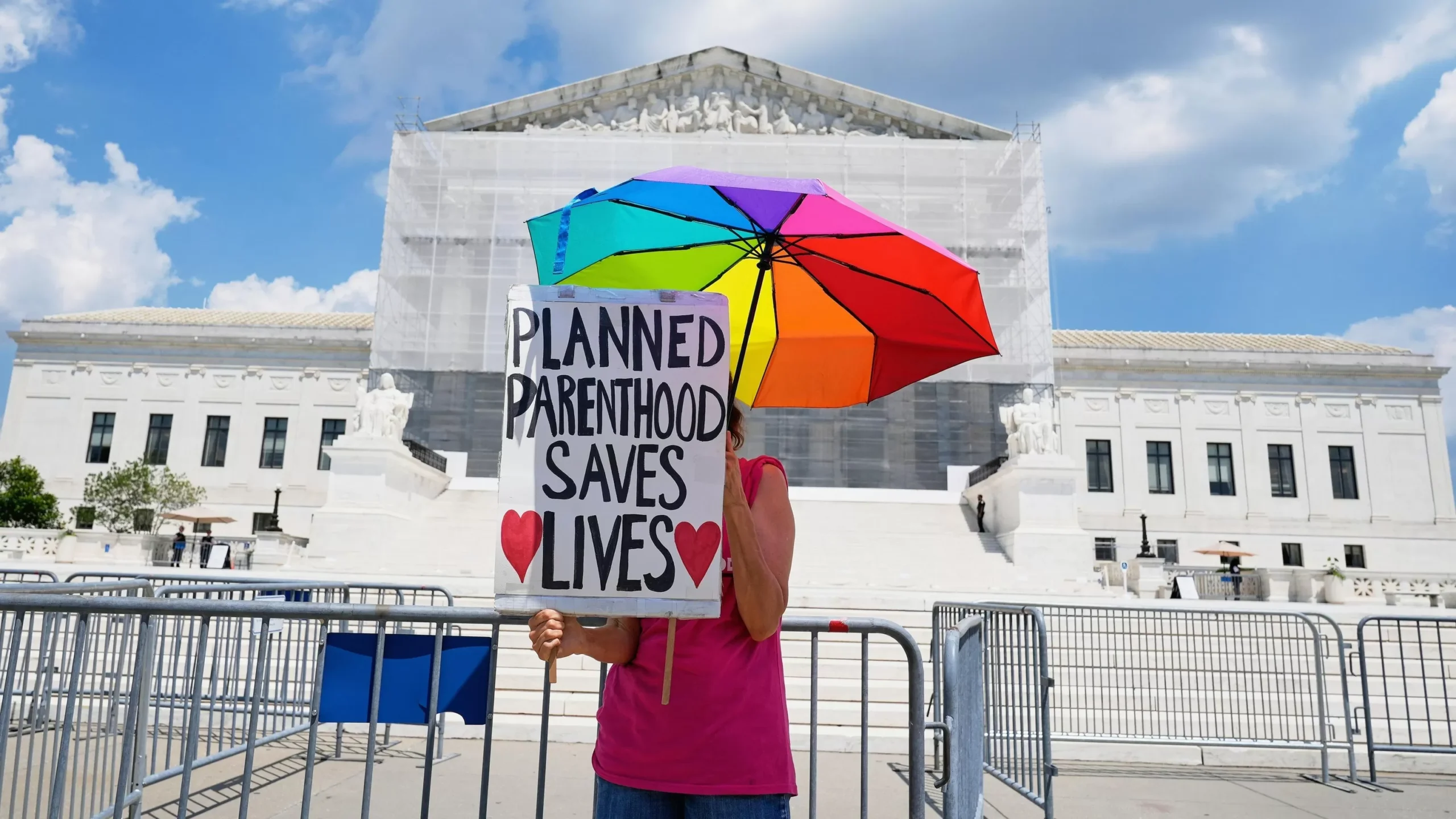
A federal judge is set to hear arguments about a spending law that ended Medicaid reimbursements for Planned Parenthood. This decision has sparked a heated debate among lawmakers and citizens alike, with both sides passionately defending their stance. The outcome of this case could have far-reaching implications for women’s healthcare and the future of Planned Parenthood.
The law in question, known as the Title X rule, was introduced by the Trump administration in 2019. It prohibits healthcare providers who receive federal funding from referring patients for abortions. This rule specifically targeted Planned Parenthood, which provides a wide range of reproductive health services, including abortions, to millions of low-income women through Medicaid.
The decision to end Medicaid reimbursements for Planned Parenthood has been met with strong opposition from women’s rights advocates and healthcare professionals. They argue that this move will limit access to essential healthcare services for low-income women, particularly in rural and underserved areas. Planned Parenthood serves as a crucial safety net for these women, providing them with affordable and quality healthcare services.
On the other hand, supporters of the Title X rule argue that it is necessary to protect the sanctity of life and prevent taxpayer dollars from funding abortions. They also claim that there are plenty of other healthcare providers available for women to seek services from, and that Planned Parenthood’s services are not essential.
The case is now in front of a federal judge, who will hear arguments from both sides and make a decision on whether to block the Title X rule. This decision will have a significant impact on the future of Planned Parenthood and the millions of women who rely on their services.
Planned Parenthood has been a target of political attacks for years, with opponents trying to defund the organization and limit access to reproductive healthcare. However, the organization has consistently fought back and remained resilient in the face of these challenges. They have a long history of providing essential healthcare services to women, including cancer screenings, birth control, and STI testing and treatment.
The potential loss of Medicaid reimbursements would be a significant blow to Planned Parenthood’s ability to continue providing these vital services. It would also disproportionately affect low-income women and communities of color, who already face barriers to accessing healthcare.
Furthermore, the Title X rule not only affects Planned Parenthood but also other healthcare providers who receive federal funding. This could lead to a ripple effect, causing a strain on the entire healthcare system and limiting access to care for millions of women.
It is crucial to remember that Planned Parenthood is not just about abortions. They provide a wide range of healthcare services that are essential for women’s overall well-being. By cutting off Medicaid reimbursements, the government is essentially denying low-income women the right to choose their healthcare provider and access the care they need.
In addition to the legal battle, there has been a strong public outcry against the Title X rule. Protests and rallies have been held across the country, with people voicing their support for Planned Parenthood and the services they provide. This case has also brought attention to the importance of reproductive healthcare and the need to protect women’s rights.
In the end, this case is not just about Planned Parenthood, but about the fundamental right of women to access healthcare services. It is about ensuring that all women, regardless of their income or zip code, have access to quality and affordable healthcare. The decision of the federal judge will have a significant impact on the future of women’s healthcare in America.
As we await the outcome of this case, it is essential to remember the positive impact that Planned Parenthood has had on millions of women’s lives. They have been a trusted healthcare provider for over a century, and their services are more critical now than ever before. Let us hope that the federal judge will make the right decision and protect women’s access to essential healthcare services.