
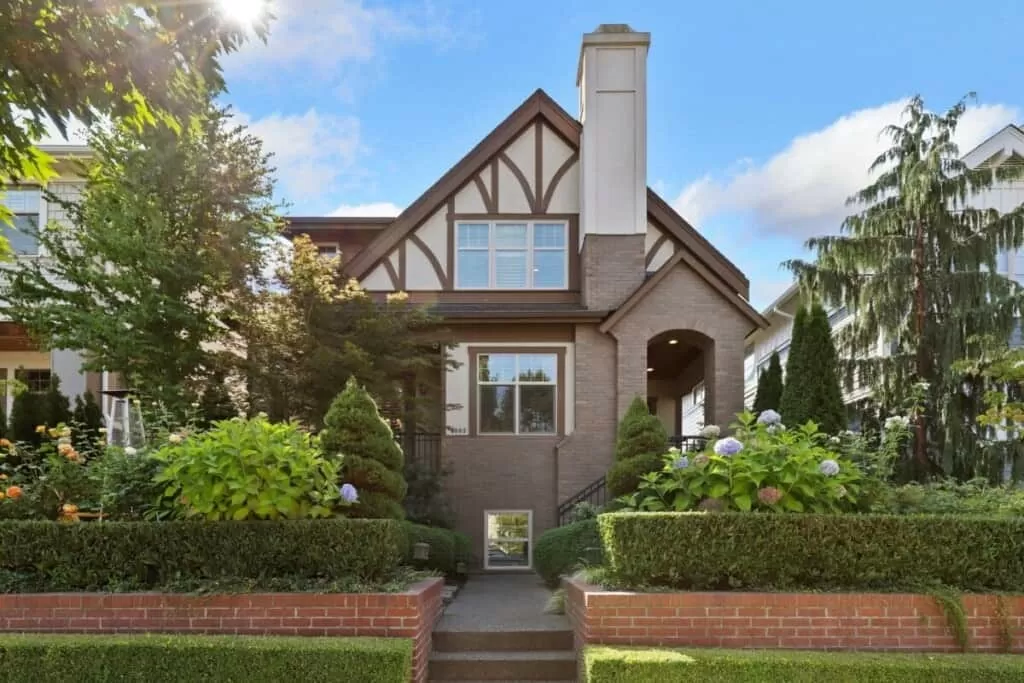
When it comes to protecting your home, having the right amount of insurance coverage is essential. Homeowners insurance provides financial protection against unexpected events such as natural disasters, theft, and accidents. But how do you know how much coverage you need for your property, personal belongings, and liability needs? In this article, we will discuss the key factors that impact your coverage and provide you with 5 steps to determine the right amount of homeowners insurance for your specific situation.
1. Location, Location, Location
The location of your home plays a significant role in determining your homeowners insurance coverage. Different areas have different risks, and insurance companies take this into account when calculating your premium. For example, if your home is located in an area prone to natural disasters such as hurricanes or earthquakes, you may need additional coverage for these specific events. On the other hand, if your home is located in a low-risk area, you may be able to save on your insurance premium.
2. Age and Condition of the Property
The age and condition of your property are also crucial factors that impact your homeowners insurance coverage. Older homes may require more coverage due to wear and tear, while newer homes may have more modern features that can help lower your insurance costs. Additionally, if your home has been recently renovated or has updated safety features such as smoke detectors and a security system, you may be eligible for discounts on your premium.
3. Replacement Cost vs. Market Value
When determining the right amount of homeowners insurance, it’s important to understand the difference between replacement cost and market value. Replacement cost is the amount it would take to rebuild your home from scratch, while market value is the amount your home would sell for on the current market. It’s important to have enough coverage to cover the replacement cost of your home, as this is the amount you would need to rebuild after a disaster.
4. Personal Belongings
Your homeowners insurance also covers your personal belongings, such as furniture, electronics, and clothing. When determining the right amount of coverage for your personal belongings, it’s essential to take inventory of all your possessions and determine their value. High-value items such as jewelry, art, and collectibles may require additional coverage, known as a rider or endorsement, to ensure they are fully protected.
5. Liability Coverage
Liability coverage is another important aspect of homeowners insurance. This coverage protects you if someone is injured on your property or if you cause damage to someone else’s property. It also covers legal fees if you are sued for these types of incidents. The standard liability coverage in homeowners insurance is typically between $100,000 and $300,000. However, depending on your assets and potential risks, you may want to consider increasing your liability coverage for added protection.
In conclusion, the right amount of homeowners insurance coverage depends on various factors, including location, age and condition of the property, replacement cost, personal belongings, and liability needs. It’s essential to review your policy regularly and make adjustments as needed to ensure adequate coverage. It’s also a good idea to shop around and compare quotes from different insurance companies to find the best coverage and price for your specific needs. By following these 5 steps and taking the time to understand your coverage, you can have peace of mind knowing your home and belongings are protected.