
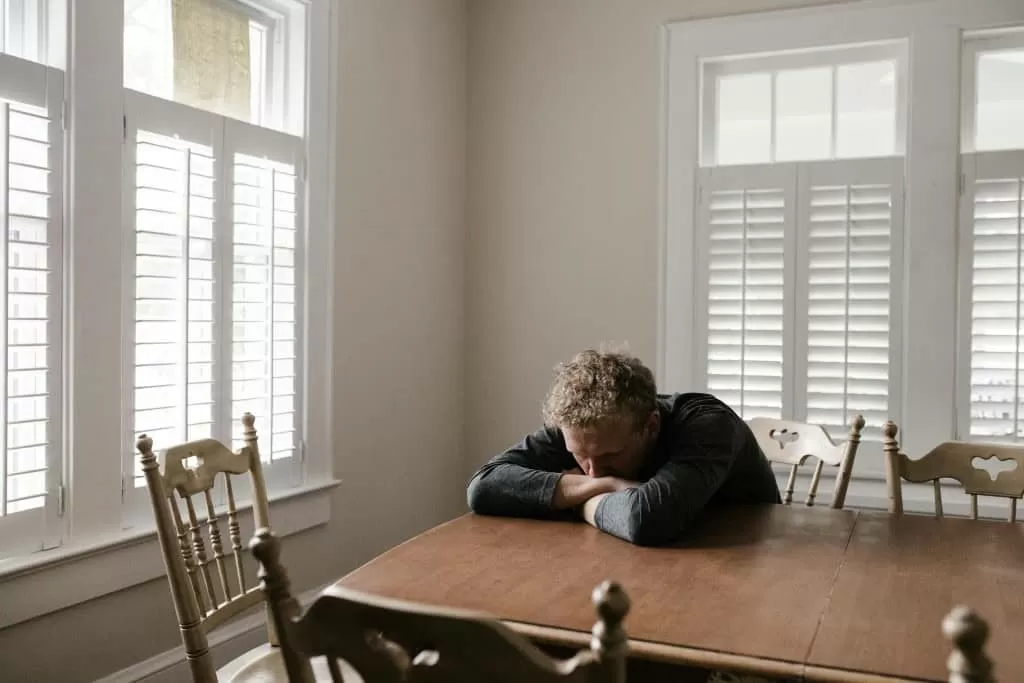
Buying a new home is an exciting and monumental milestone in life. After months of searching, negotiating, and finally closing the deal, the feeling of being a homeowner can be overwhelming. However, it’s not uncommon for new homeowners to experience a lingering sense of unease after the purchase, known as home buyer’s remorse. This phenomenon can be distressing and can even cause buyers to question if they’ve made the right decision. So, what leads to home buyer’s remorse, and how can it be avoided? In this article, we’ll dive into the reasons behind this phenomenon and provide practical steps to help new homeowners feel confident about their purchase.
What is Home Buyer’s Remorse?
Home buyer’s remorse is a feeling of regret or anxiety that homeowners experience after buying a new house. It is a common emotional state that can arise due to a variety of reasons, including the fear of making a wrong decision, doubts about the chosen home, or financial concerns. This feeling can be intensified if the buyer feels that they made a hasty decision or was influenced by external factors. Home buyer’s remorse can leave buyers with a sense of uncertainty, making them second-guess their purchase and wonder if they should have waited or looked for a better option.
What Causes Home Buyer’s Remorse?
1. Unrealistic Expectations: One of the primary causes of home buyer’s remorse is having unrealistic expectations about the home. Often, buyers tend to fall in love with the idea of owning a new home and have high expectations of what it should look like. However, when the reality falls short of their expectations, they can feel disappointed and regret their decision.
2. Fear of Making a Wrong Decision: Purchasing a home is a significant financial commitment, and it’s natural for buyers to fear making a wrong decision. The fear of choosing the wrong house or realizing that it does not meet their needs can lead to feelings of regret and unease.
3. Pressure from Others: Buying a home is a personal decision, but sometimes external pressures from family, friends, or even real estate agents can play a role in the buyer’s decision. If the buyer feels that they were influenced by someone else’s opinion, they may experience home buyer’s remorse.
4. Unexpected Maintenance Costs: Even after a thorough inspection, unforeseen maintenance costs can arise after moving into a new home. These unexpected expenses can add to the financial burden of homeownership and cause feelings of regret about the purchase.
How to Avoid Home Buyer’s Remorse?
1. Be Realistic: Before beginning the home buying process, it’s essential to have realistic expectations about what you can afford and what kind of home you want. Setting realistic expectations can help avoid disappointment and ensure you make a practical decision.
2. Research Thoroughly: Take the time to research the neighborhood, amenities, and potential resale value of the home before making an offer. This will help you make an informed decision and avoid any surprises after the purchase.
3. Listen to Your Gut: While it’s essential to seek advice and opinions from others, ultimately, the decision to purchase a home should be based on your own instincts and requirements. Trust your gut and don’t let external pressures influence your decision.
4. Get a Home Inspection: A comprehensive home inspection can uncover any potential maintenance issues and give you a better understanding of the condition of the house. This can help avoid any unexpected costs and give you peace of mind about your purchase.
5. Stay Within Your Budget: It’s crucial to stick to your budget and not overextend yourself financially. This will not only help you avoid home buyer’s remorse but also ensure that you can comfortably manage your mortgage payments and other expenses associated with homeownership.
Steps to Feel Confident About Your Purchase
1. Focus on the Positives: Instead of dwelling on any doubts or regrets, focus on the positive aspects of your new home. Remember why you chose this house in the first place and the potential it has for you and your family.
2. Make It Your Own: One of the best ways to feel confident about your purchase is to personalize your new home. Make it your own by adding your personal touch and making any necessary renovations or updates.
3. Connect with Your Neighbors: Building a sense of community within your neighborhood can help decrease any feelings of remorse. Reach out to your neighbors, attend community events, and get involved. Knowing you have a supportive community can make you feel more connected to your new home.
4