
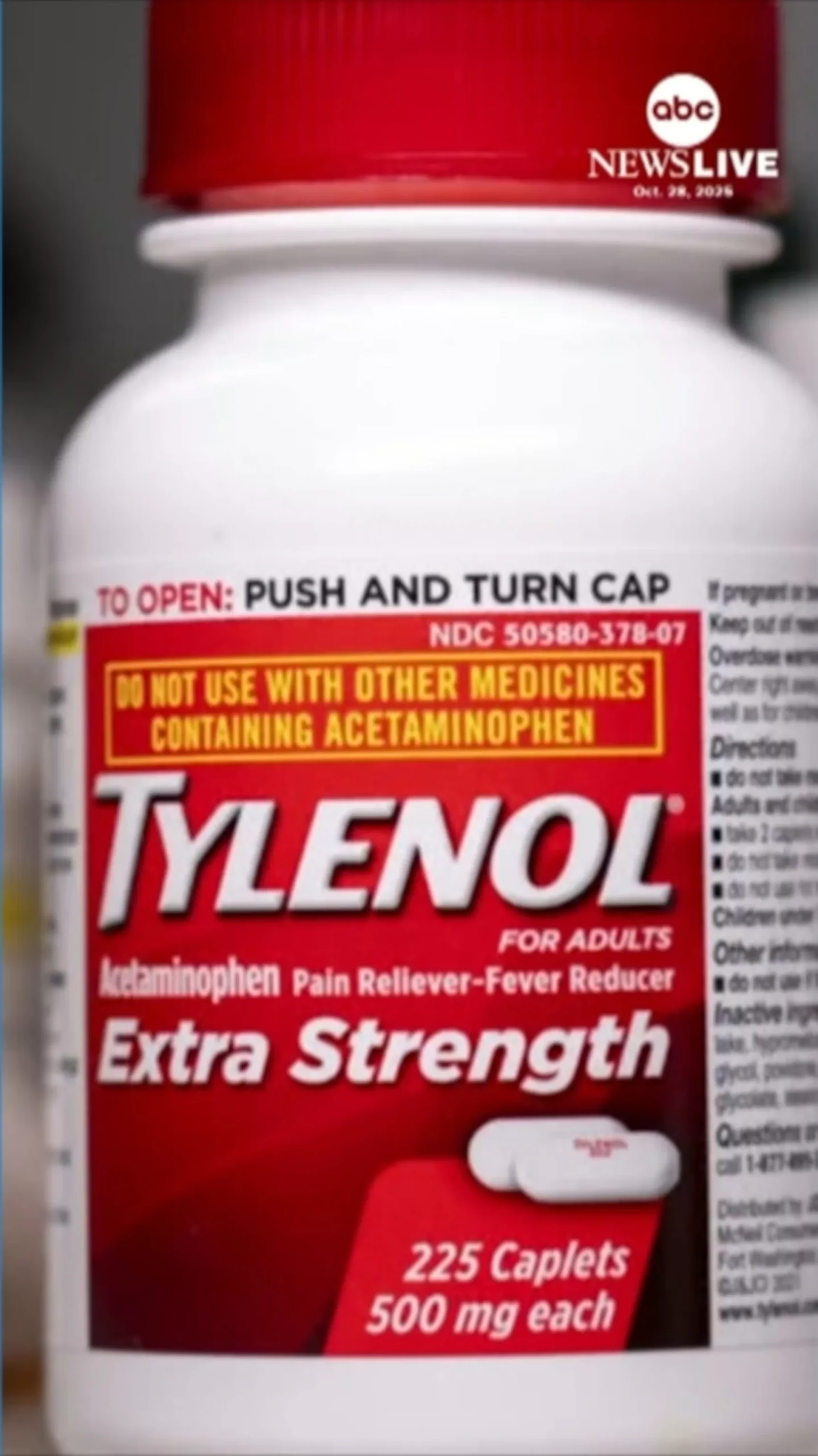
Last month, President Trump made a statement claiming that the use of Tylenol during pregnancy may increase the risk of autism in children. This statement has caused quite a stir in the medical community, with many experts and organizations refuting the claim due to limited evidence to support it.
Tylenol, also known as acetaminophen, is a commonly used over-the-counter pain reliever and fever reducer. It is considered safe for use during pregnancy and is often recommended by doctors for pregnant women experiencing discomfort. However, President Trump’s statement has raised concerns among expectant mothers who rely on Tylenol for relief.
The President’s claim was based on a study published in 2016, which suggested a possible link between acetaminophen use during pregnancy and an increased risk of autism in children. However, this study was not able to establish a cause-and-effect relationship, and further research is needed to confirm the findings.
Many experts have criticized the President’s statement, stating that it is irresponsible to make such claims without substantial evidence. The American College of Obstetricians and Gynecologists (ACOG) released a statement emphasizing that there is no proven link between Tylenol use during pregnancy and autism. They also highlighted the importance of pregnant women discussing any concerns with their healthcare provider before making any changes to their medication regimen.
The Centers for Disease Control and Prevention (CDC) also weighed in on the issue, stating that there is no evidence to support the claim that Tylenol use during pregnancy increases the risk of autism. They emphasized that pregnant women should continue to follow their doctor’s recommendations for managing pain and fever during pregnancy.
Furthermore, the study that President Trump referenced has been met with criticism from other experts in the field. They have pointed out that the study relied on self-reported data from the mothers, which may not be accurate. Additionally, the study did not take into account other potential factors that could contribute to the development of autism in children.
It is essential to note that autism is a complex neurodevelopmental disorder, and its causes are still not fully understood. While there is ongoing research to identify potential risk factors, it is crucial not to make unfounded claims that could cause unnecessary fear and anxiety among expectant mothers.
The backlash against President Trump’s statement has been significant, with many organizations and individuals calling for him to retract his statement and apologize for spreading misinformation. The National Autism Association released a statement expressing their disappointment in the President’s remarks and urged him to consult with experts before making such claims in the future.
In conclusion, the claim made by President Trump about the link between Tylenol use during pregnancy and autism is not supported by sufficient evidence. It is essential for pregnant women to consult with their healthcare providers before making any changes to their medication regimen. It is also crucial for leaders to be responsible and cautious when discussing sensitive and complex issues, such as autism, to avoid causing unnecessary panic and confusion. Let us focus on supporting and advocating for individuals with autism and their families, rather than spreading baseless claims that only add to the stigma surrounding this disorder.