
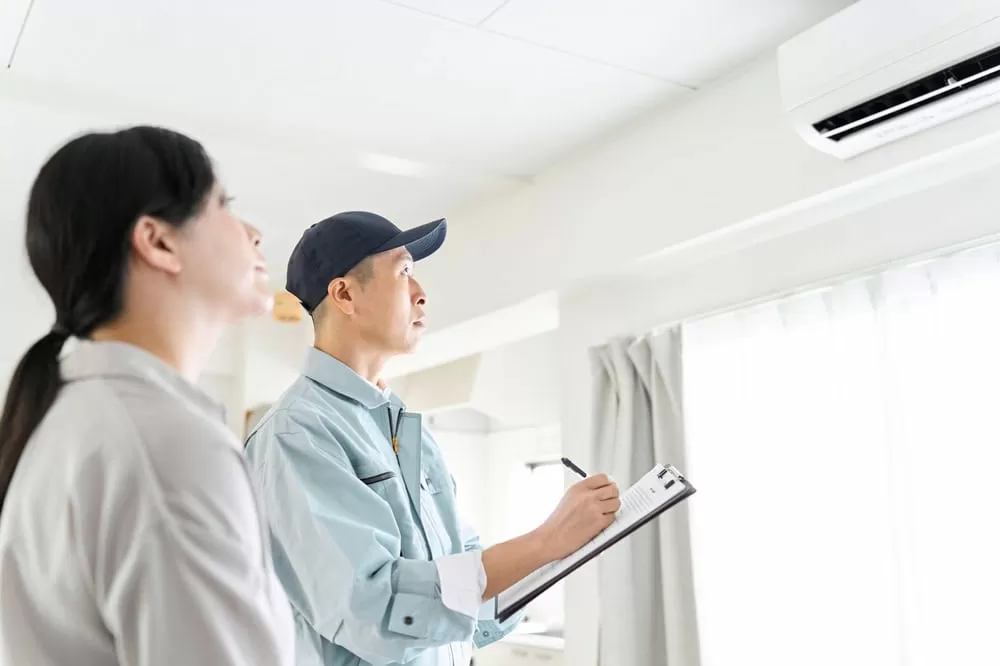
Before making the big decision to buy a home, it is crucial to understand the potential problems that may arise during a home inspection. A home inspection is a crucial step in the home buying process, as it helps identify any issues with the property that may affect its value or safety. In this guide, we will discuss the 10 most common home inspection problems that buyers should be aware of, how to respond to them, and the potential costs associated with these red flags.
1. Structural Damage
Structural damage is one of the most common home inspection problems that buyers should be aware of. This can include issues with the foundation, walls, roof, or any other structural component of the home. Structural damage can be caused by a variety of factors, such as poor construction, natural disasters, or even just wear and tear over time. If left unaddressed, structural damage can lead to serious safety concerns and costly repairs. It is important to carefully review the home inspection report and consult with a professional to determine the severity of the damage and the potential costs of repairs.
2. Outdated Electrical Systems
Another common issue found during home inspections is outdated electrical systems. This can include outdated wiring, electrical panels, or outlets that may not meet current safety standards. Outdated electrical systems can be a safety hazard and may also affect the functionality of appliances and electronics in the home. Upgrading electrical systems can be a costly endeavor, so it is important to factor in these potential costs when considering a home with outdated electrical systems.
3. Plumbing Problems
Plumbing problems are another common issue that may arise during a home inspection. This can include leaky pipes, clogged drains, or outdated plumbing fixtures. These issues can lead to water damage, mold growth, and even health hazards if not addressed promptly. It is important to carefully review the home inspection report and consult with a professional plumber to determine the extent of the plumbing problems and the potential costs of repairs.
4. Roofing Issues
The condition of the roof is a crucial aspect of a home inspection. A damaged or poorly maintained roof can lead to water leaks, mold growth, and structural damage. It is important to carefully inspect the roof and review the home inspection report to identify any potential issues. Depending on the severity of the roofing problems, repairs or a full replacement may be necessary, which can be a significant expense for buyers.
5. HVAC System Malfunctions
The heating, ventilation, and air conditioning (HVAC) system is responsible for keeping a home comfortable and safe. During a home inspection, the HVAC system will be thoroughly checked to ensure it is functioning properly. Common issues that may arise include outdated systems, faulty components, or improper installation. Repairs or replacements of HVAC systems can be costly, so it is important to carefully consider these potential costs when purchasing a home.
6. Water Damage
Water damage can be a major issue found during a home inspection. This can be caused by a variety of factors, such as leaks, floods, or poor drainage. Water damage can lead to mold growth, structural damage, and health hazards if not addressed promptly. It is important to carefully review the home inspection report and consult with a professional to determine the extent of the water damage and the potential costs of repairs.
7. Pest Infestations
Pest infestations, such as termites, rodents, or insects, can be a major problem for homeowners. These pests can cause damage to the structure of the home and pose health hazards to residents. During a home inspection, the inspector will check for any signs of pest infestations and recommend appropriate actions to address the issue. Depending on the severity of the infestation, the costs of extermination and repairs can add up quickly.
8. Mold and Mildew
Mold and mildew are common issues found during home inspections, especially in areas with high humidity or water damage. These growths can lead to health hazards and damage to the structure of the home. It is important to carefully review the home inspection report and consult with a professional to determine the extent of the mold and mildew and the potential costs of remediation.
9. Insufficient Insulation
Insufficient insulation can lead to higher energy bills and discomfort for homeowners. During a home inspection, the inspector will check the insulation in the walls, attic, and other areas of the home to ensure it meets current standards. If the insulation is insufficient, it may need to be replaced, which can be a