
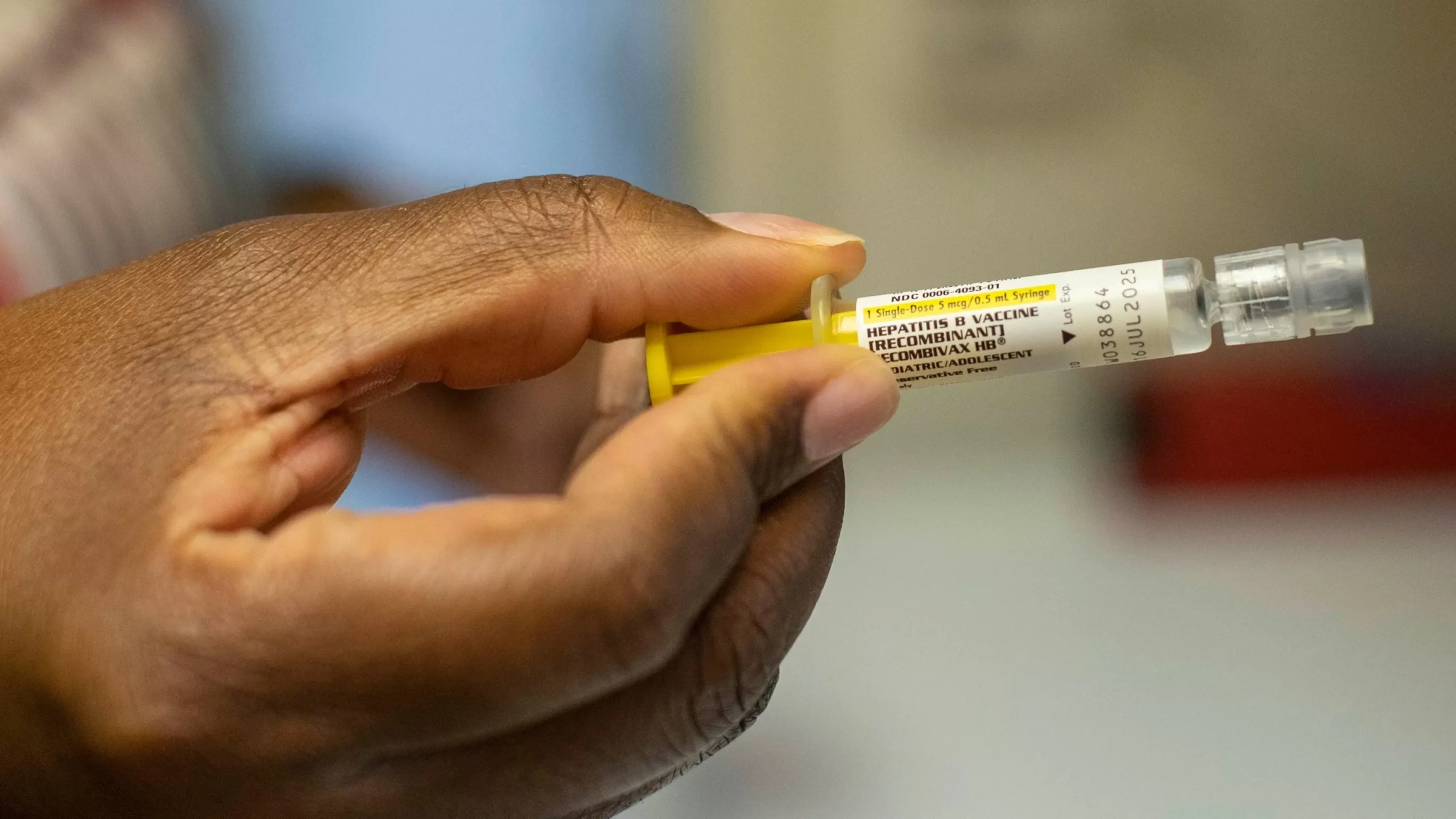
A panel of experts advising the Centers for Disease Control and Prevention (CDC) has voted to narrow the current recommendations for the combined MMRV shot, which protects against measles, mumps, rubella, and chickenpox. This decision comes after careful consideration of the latest research and data surrounding the vaccine.
The MMRV vaccine has been a vital tool in preventing outbreaks of these highly contagious diseases, but concerns have been raised about its potential side effects. By narrowing the recommendations for the vaccine, the CDC aims to strike a balance between the benefits and risks of the MMRV shot.
The panel of advisers, consisting of leading medical professionals and scientists, reviewed the latest evidence on the MMRV vaccine and its potential risks. After thorough discussions and deliberations, they voted to recommend the use of the MMRV vaccine for children aged 4-6 years old, instead of the previously recommended age range of 12-15 months.
This decision was based on studies that have shown a slightly increased risk of febrile seizures in children who receive the MMRV vaccine compared to those who receive the separate MMR (measles, mumps, rubella) and varicella (chickenpox) vaccines. Febrile seizures are seizures that can occur when a child has a high fever, and they are usually not harmful and do not cause long-term effects. However, the panel of experts felt that the risk of these seizures was higher in younger children, and thus, recommended a narrower age range for the MMRV vaccine.
It is important to note that the risk of febrile seizures is still very low, with only one additional case per 3,000 doses of the MMRV vaccine. This risk is significantly lower than the risk of developing these diseases without vaccination. Measles, mumps, rubella, and chickenpox can lead to serious complications and even death, making the MMRV vaccine a crucial tool in protecting children’s health.
The CDC has also emphasized that this change in recommendations does not mean that the MMRV vaccine is unsafe. On the contrary, the vaccine has been extensively studied and has been proven to be highly effective in preventing these diseases. The decision to narrow the recommendations was made to further reduce the already low risk of febrile seizures in young children.
Moreover, the panel of experts also considered the potential benefits of receiving the MMRV vaccine at a later age. By delaying the vaccine until age 4-6, children are more likely to have developed a stronger immune system, making the vaccine more effective. Additionally, children in this age group are also less likely to experience febrile seizures, reducing the risk even further.
The CDC has always prioritized the safety and well-being of the public, and this decision is no exception. By narrowing the recommendations for the MMRV vaccine, the CDC is taking a proactive approach to address any potential risks while still ensuring that children are protected against these dangerous diseases.
It is important to note that this change in recommendations only applies to the MMRV vaccine and not the separate MMR and varicella vaccines. These vaccines will continue to be recommended for children aged 12-15 months.
In conclusion, the decision to narrow the recommendations for the MMRV vaccine is a positive step towards ensuring the safety and effectiveness of this crucial vaccine. The CDC and its panel of advisers have carefully considered all the evidence and have made a decision that prioritizes the health of children while still providing protection against these serious diseases. Parents can rest assured that the MMRV vaccine remains a safe and effective tool in protecting their children’s health.