
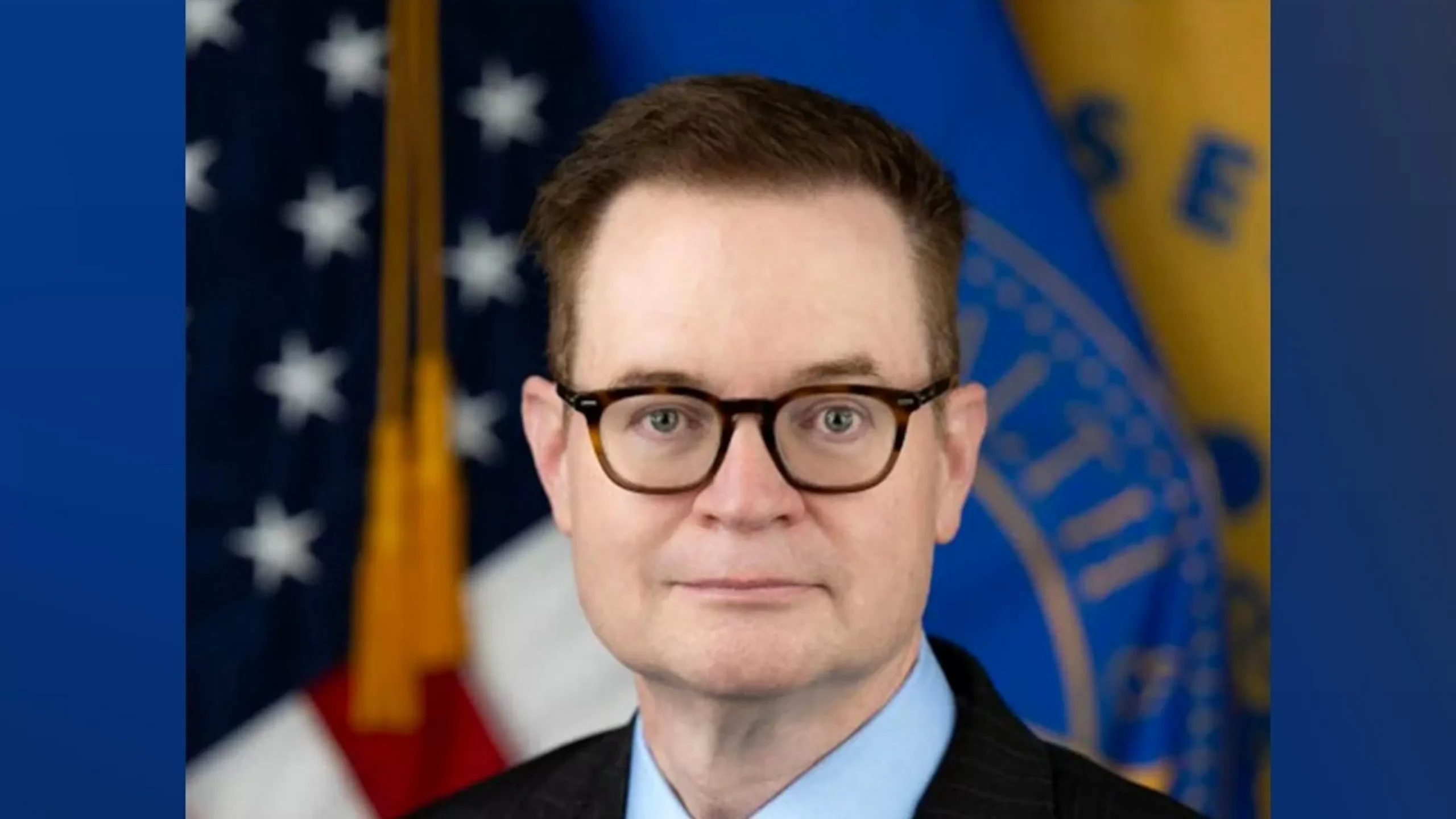
Acting director Jim O’Neill recently made a bold statement about the Centers for Disease Control and Prevention (CDC), stating that the organization has been experiencing what he calls “mission creep”. O’Neill believes that this has led the CDC to become too involved in Americans’ health decisions, causing a negative impact on the overall health of the nation.
In his statement, O’Neill expressed his concern that the CDC has strayed from its original mission of preventing and controlling disease outbreaks. He believes that the organization has taken on too many responsibilities, resulting in a dilution of its core purpose. O’Neill’s words have sparked a debate among health experts and officials, with some agreeing with his sentiments while others strongly disagree.
The CDC was established in 1946 with the goal of protecting public health and safety through the control and prevention of disease, injury, and disability. Over the years, the organization has played a crucial role in eradicating diseases such as smallpox and polio, as well as controlling outbreaks of deadly diseases like Ebola and Zika. However, in recent years, the CDC has faced criticism for its involvement in areas beyond its traditional scope, such as gun violence, obesity, and tobacco use.
O’Neill has voiced his concern that the CDC’s involvement in these areas has taken away valuable resources and attention from its primary mission of disease control. He believes that the organization should focus on its core competencies and leave other health decisions to other agencies and organizations. O’Neill’s statement has been met with mixed reactions, with some experts agreeing that the CDC has spread itself too thin, while others argue that the organization’s expanded role is necessary in order to address the complex health issues facing Americans today.
However, one thing is clear: the CDC has been at the forefront of public health for decades and has played a crucial role in keeping Americans safe. Its expertise and resources have been instrumental in controlling and preventing the spread of diseases, as well as providing vital information and resources to the public during health emergencies.
But as times change and new health challenges arise, it is important for the CDC to adapt and evolve. This may mean taking on new responsibilities and expanding its scope to address emerging health issues. The organization has already proven its ability to successfully tackle a wide range of health concerns, and it is only natural for it to continue to do so in the future.
In fact, some argue that the CDC’s involvement in issues such as gun violence and obesity is not a sign of mission creep, but rather a necessary response to the changing health landscape. These issues have a significant impact on public health and cannot be ignored. The CDC’s expertise and resources make it well-equipped to address them, and their involvement in these areas can only benefit the overall health of the nation.
It is also important to note that the CDC’s involvement in these areas is not meant to replace the responsibility of other agencies or individuals. Rather, it is a collaborative effort to address complex health issues that require a multi-faceted approach.
In conclusion, while there may be differing opinions on the CDC’s expanded role, there is no denying the organization’s crucial role in protecting public health. Its efforts have saved countless lives and its expertise is invaluable in addressing complex health challenges. As times change, it is important for the CDC to adapt and evolve, while remaining true to its core mission of disease control and prevention. Let us continue to support and trust the CDC as it works towards a healthier future for all Americans.