
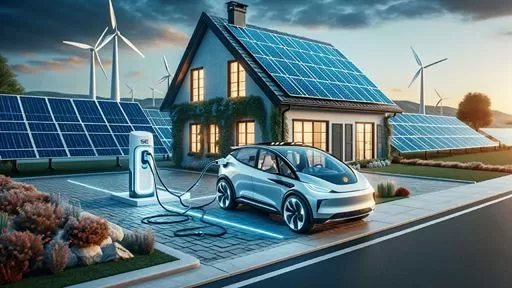
Bidirectional charging, also known as vehicle-to-grid (V2G) technology, has been a possibility on a technical level for quite some time now. However, its potential has not been fully realized and it is still considered a quiet revolution in the world of electric vehicles (EVs). So, what is holding back this promising technology from making a bigger impact?
To understand the potential of bidirectional charging, we must first understand what it is. Simply put, it is the ability of an EV to not only charge its battery from an external source but also to discharge energy back into the grid. This means that EVs can act as mobile energy storage units, providing electricity to the grid during peak demand periods and then recharging when the demand is low.
On a technical level, bidirectional charging has been possible for a long time. In fact, the first V2G system was developed in the late 1990s by the University of Delaware. Since then, numerous studies and pilot projects have been conducted to test the feasibility and benefits of this technology. The results have been overwhelmingly positive, with potential benefits ranging from reduced electricity costs to improved grid stability and increased renewable energy integration.
So, if the technology is there and the benefits are clear, what is holding back the potential of this quiet revolution? The answer lies in a combination of factors, including infrastructure, regulations, and consumer awareness.
One of the main challenges for bidirectional charging is the lack of infrastructure. While most EVs are equipped with the necessary hardware for bidirectional charging, the infrastructure to support it is still in its early stages. This includes the installation of bidirectional charging stations and the development of communication protocols between EVs and the grid. Without a robust infrastructure, the potential of bidirectional charging cannot be fully realized.
Another hurdle is the regulatory framework. As with any new technology, there are concerns about safety, liability, and interoperability. These concerns have led to a slow adoption of bidirectional charging, with many countries still lacking clear regulations and standards for its implementation. This uncertainty makes it difficult for companies to invest in the necessary infrastructure and for consumers to trust the technology.
Moreover, there is a lack of awareness among consumers about the potential of bidirectional charging. Many EV owners are not aware that their vehicles have this capability, and even if they are, they may not understand the benefits or how to use it. This highlights the need for education and outreach programs to increase awareness and promote the benefits of bidirectional charging.
Despite these challenges, there are signs that the potential of bidirectional charging is slowly being realized. In 2019, the first commercial V2G system was launched in Denmark, allowing EV owners to sell excess energy back to the grid. In the same year, the UK government announced a £30 million investment to support the development of V2G technology. These are just a few examples of the growing interest and investment in bidirectional charging.
The potential of bidirectional charging goes beyond just providing electricity to the grid. It can also play a crucial role in the transition to a cleaner and more sustainable energy system. By enabling EVs to store and discharge renewable energy, bidirectional charging can help reduce our reliance on fossil fuels and accelerate the adoption of renewable energy sources.
Moreover, bidirectional charging can also help address the issue of range anxiety, which is a major concern for many potential EV buyers. With the ability to discharge energy back into the grid, EVs can have a longer driving range, making them a more attractive option for consumers.
In conclusion, bidirectional charging has the potential to revolutionize the way we use and distribute energy. It can bring numerous benefits to both the grid and EV owners, from cost savings to a more sustainable energy system. However, to fully realize its potential, there needs to be a concerted effort from all stakeholders – governments, energy companies, and consumers – to invest in infrastructure, develop clear regulations, and increase awareness. Only then can we unlock the full potential of this quiet revolution and pave the way for a cleaner and more sustainable future.