
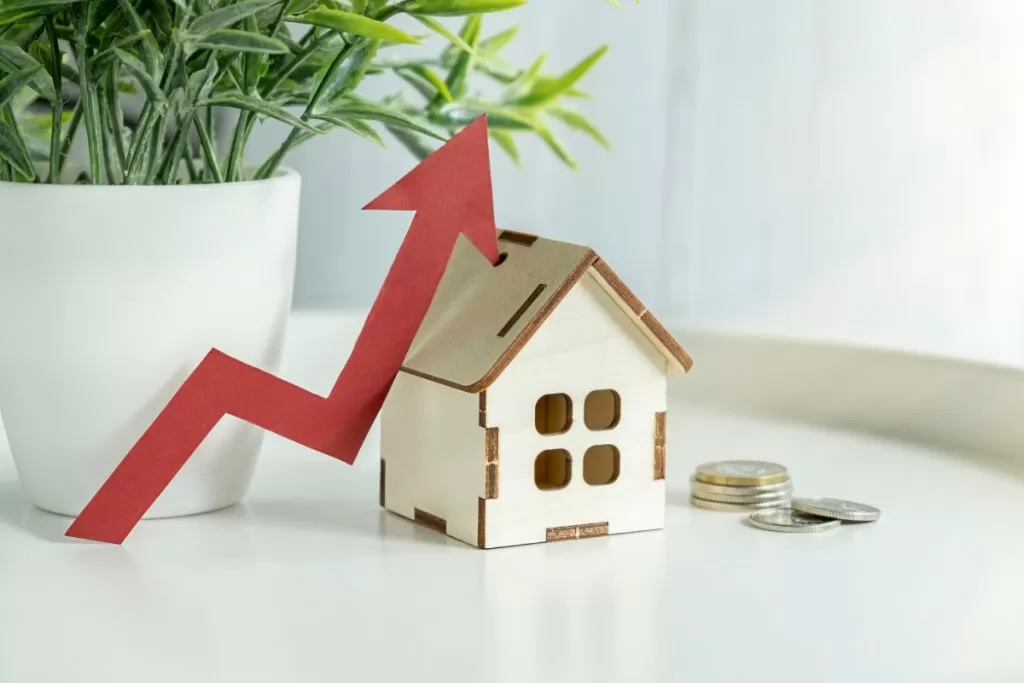
Understanding Appreciation in Real Estate: How It Works and How It Can Benefit Homeowners
As a homeowner, one of the most exciting things to experience is the appreciation of your property’s value over time. Appreciation in real estate is the increase in the value of a property over time, and it is a key factor in building wealth through homeownership. In this article, we will delve into what appreciation in real estate means, how it works, what drives it, and how it can grow your home’s value over time.
What is Appreciation in Real Estate?
Appreciation in real estate is the increase in the value of a property over time. It is a natural occurrence in the real estate market, and it is influenced by various factors such as location, demand, and economic conditions. When a property appreciates, it means that its market value has increased, and it can be sold for a higher price than what it was originally purchased for.
How Does Appreciation Work?
Appreciation in real estate works in two ways: through market forces and property improvements. Market forces refer to the overall state of the real estate market, including supply and demand, interest rates, and economic conditions. These factors can have a significant impact on a property’s value, and they are beyond a homeowner’s control.
On the other hand, property improvements refer to any upgrades or renovations made to a property that can increase its value. These improvements can range from minor cosmetic changes to major renovations, such as adding an extra bedroom or bathroom. Property improvements can significantly impact a property’s value and can be a great way for homeowners to increase their property’s appreciation.
What Drives Appreciation in Real Estate?
Location is one of the primary drivers of appreciation in real estate. Properties in desirable locations, such as those with good school districts, access to amenities, and low crime rates, tend to appreciate at a higher rate than properties in less desirable areas. This is because these locations are in high demand, and there is limited supply, making them more valuable.
Another factor that drives appreciation is the state of the economy. When the economy is strong, and there is job growth, people have more disposable income, and they are more likely to invest in real estate. This increased demand for properties can drive up their value and lead to appreciation.
Additionally, inflation can also contribute to appreciation in real estate. As the cost of goods and services increases, so does the value of real estate. This is because real estate is considered a tangible asset, and its value tends to increase with inflation.
How Can Appreciation Grow Your Home’s Value Over Time?
Appreciation in real estate can have a significant impact on a homeowner’s net worth. As a property appreciates, the homeowner’s equity in the property also increases. Equity is the difference between the property’s market value and the amount owed on the mortgage. As a property appreciates, the homeowner’s equity increases, and they can use this equity to their advantage.
For example, if a homeowner purchased a property for $300,000 and it appreciates by 5% each year, after five years, the property’s value would be $381,000. If the homeowner had a mortgage of $250,000, their equity in the property would be $131,000. This equity can be used to finance other investments, such as purchasing another property or starting a business.
Moreover, appreciation can also lead to a higher resale value for the property. If a homeowner decides to sell their property after it has appreciated, they can potentially make a significant profit. This profit can then be used to upgrade to a larger or more desirable property, further increasing their net worth.
In conclusion, appreciation in real estate is a crucial factor in building wealth through homeownership. It is a natural occurrence in the real estate market, driven by various factors such as location, demand, and economic conditions. As a homeowner, understanding how appreciation works and what drives it can help you make informed decisions about your property and potentially increase your net worth over time. So, if you are a homeowner, sit back, relax, and watch your property appreciate in value, knowing that it is a valuable asset that can benefit you in the long run.