
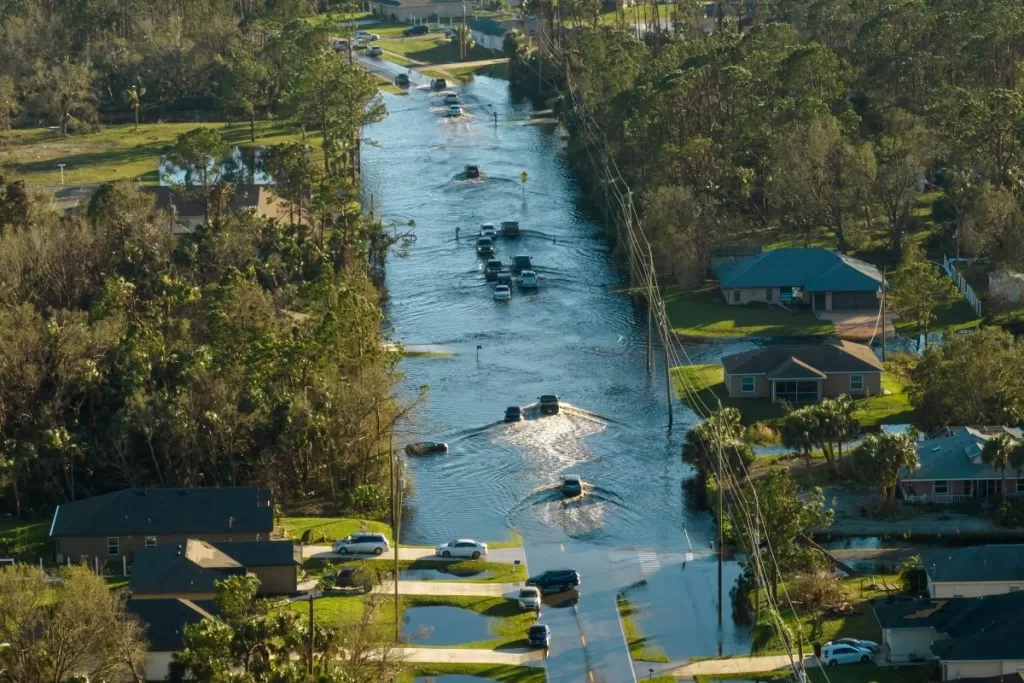
Buying a House in a Flood Zone: What You Need to Know
Buying a new house is an exciting and rewarding experience. However, if you are considering purchasing a home in a flood zone, there are some important factors to take into consideration before making your decision. Living in a flood zone can bring about unique challenges and concerns, but with proper preparation and knowledge, you can still find your dream home in an area prone to flooding.
In this article, we will discuss what it means to live in a flood zone, the top concerns to weigh, and how to proceed with purchasing a home in a flood-prone area.
Understanding Flood Zones
A flood zone is an area that is susceptible to flooding due to its proximity to a body of water or its low-lying topography. These zones are determined by the Federal Emergency Management Agency (FEMA) and are categorized into different risk levels based on the likelihood of flooding. The most at-risk areas are classified as Special Flood Hazard Areas (SFHA) and are subject to mandatory flood insurance requirements.
It’s important to note that even if a property is not located in a designated flood zone, it can still be at risk for flooding. This can be due to factors such as heavy rainfall, inadequate drainage systems, or changes in the surrounding landscape. Therefore, it’s crucial to research the flood history and potential risks of any property you are considering purchasing.
Top Concerns to Consider
Living in a flood zone comes with its own set of concerns and challenges. Here are some of the top factors to keep in mind when considering buying a house in a flood-prone area:
1. Insurance Costs: As mentioned earlier, properties located in SFHAs are required to have flood insurance. This can significantly increase the cost of homeownership, so it’s essential to factor in these additional expenses when budgeting for your new home.
2. Property Damage: Flooding can cause significant damage to a property, resulting in costly repairs. This can include structural damage, mold growth, and damage to personal belongings. It’s crucial to understand the potential risks and costs associated with flood damage before purchasing a home in a flood zone.
3. Evacuation Plans: In the event of a flood, it’s important to have an evacuation plan in place. This is especially crucial for families with children or elderly individuals who may have difficulty moving quickly in an emergency. Consider the accessibility and safety of evacuation routes when looking at properties in flood-prone areas.
4. Future Development: When buying a home in a flood zone, it’s essential to research any planned development in the area. Additional construction can impact drainage systems and increase the risk of flooding. It’s also crucial to understand the potential impact of climate change and how it may affect the frequency and severity of flooding in the future.
How to Proceed with Purchasing a Home in a Flood Zone
Now that you understand the potential risks and concerns of living in a flood zone, here are some steps to take when considering purchasing a home in such an area:
1. Do Your Research: Before making any decisions, thoroughly research the flood history and risks of the property you are interested in. You can also consult with a local real estate agent who can provide you with valuable insights into the area’s flood risk.
2. Get a Professional Inspection: It’s crucial to have a professional inspection of the property, specifically looking for any potential flood risks or previous flood damage. This will help you make an informed decision and understand the potential costs of owning the home.
3. Consider Flood Insurance: As mentioned earlier, flood insurance is mandatory for properties in SFHAs. However, it’s also a good idea to consider purchasing flood insurance even if you are not required to. This will provide you with added protection and peace of mind.
4. Have an Emergency Plan: In the event of a flood, it’s crucial to have an emergency plan in place. This can include having an evacuation route, emergency supplies, and a designated meeting place for your family.
Conclusion
Living in a flood zone can bring about unique challenges and concerns, but it doesn’t mean you can’t find your dream home in such an area. By understanding the risks, doing your research, and being prepared, you can confidently make a decision on purchasing a house in a flood-prone area. With proper planning and precautions, you can still enjoy the benefits of homeownership while living in a flood zone.
Remember to consult with professionals, such as a