
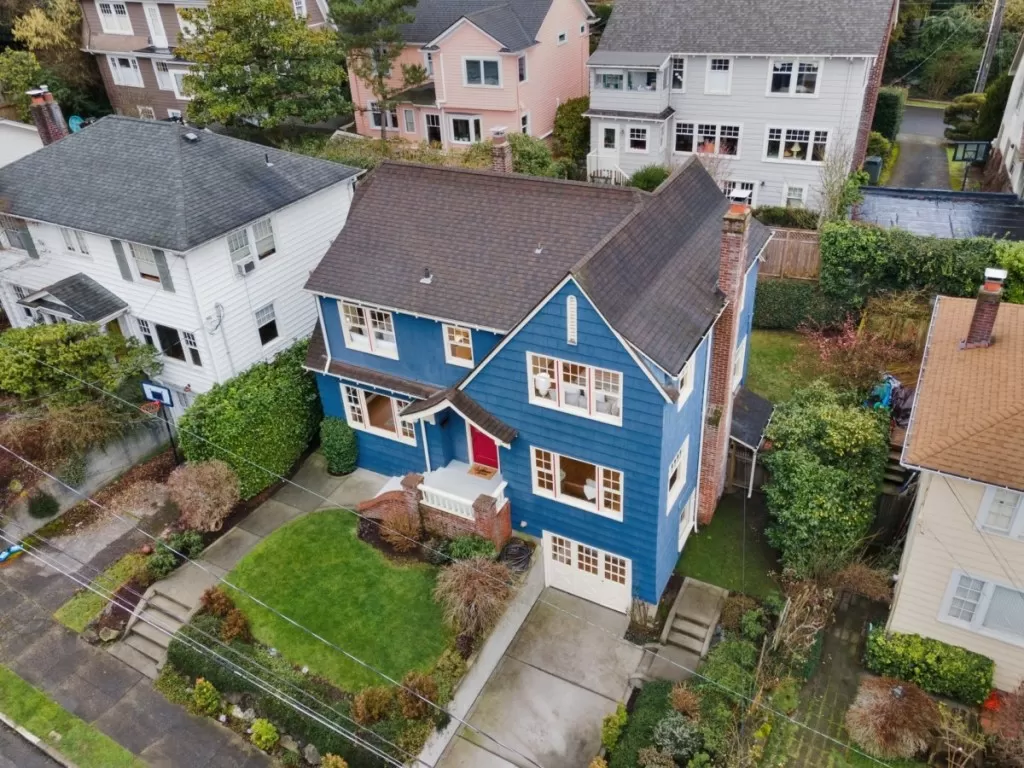
Plat maps are a valuable resource for homeowners and potential buyers alike. These detailed maps provide crucial information about a property and its surroundings, offering a wealth of knowledge for anyone looking to invest in real estate. In this article, we will take a closer look at what a plat map is, how to read one, and what important information to look for.
So, what exactly is a plat map? Put simply, a plat map is a detailed and accurately scaled map of a specific piece of land. It outlines the boundaries of the property, its structures, and any other relevant features. These maps are drawn up by professional surveyors and are typically used for real estate and land development purposes.
Now that we know what a plat map is, let’s explore how to read one. The first thing to understand is that plat maps use a specific scale, usually represented as a ratio such as 1 inch equals 100 feet. This means that every inch on the map represents 100 feet in real life. By understanding and using this scale, you can accurately measure distances on the map and get an idea of the actual size of the property.
Next, it’s essential to understand the different elements that make up a plat map. These include various symbols, lines, and colors, each representing specific information about the property. For example, property lines are typically represented by thick black lines, while structures like buildings and roads are shown in various colors. Being familiar with these symbols and their meanings will make it easier to interpret the information on the map.
One of the most crucial aspects to look for on a plat map is the property’s boundaries. This information is crucial for homeowners and buyers alike, as it ensures that you know exactly how much land you own and where it begins and ends. Additionally, knowing the boundaries can help you avoid any potential boundary disputes in the future.
Another essential piece of information on a plat map is the location of any easements or right of ways. Easements are areas of land that have been designated for use by someone other than the property owner. For example, utility companies may have easements for their power lines or access to underground pipes. It’s essential to be aware of these easements as they may restrict how you can use your property.
In addition to property boundaries and easements, plat maps also provide information on topography and terrain. This includes any elevation changes, slopes, and bodies of water on the property. This information can be crucial for homeowners as it can affect things like drainage and building restrictions.
Furthermore, plat maps can also provide information about the surrounding area. For example, they may show nearby roads, subdivisions, and other landmarks. This can give you a better understanding of the neighborhood and its amenities, making it easier to make an informed decision when buying a property.
In conclusion, plat maps are a valuable resource for any homeowner or potential buyer. By understanding how to read them and what information to look for, you can gain a better understanding of your property and its surrounding area. It’s always a good idea to request a plat map when purchasing a property, as it can provide valuable information that may not be apparent from a simple visual inspection. With this knowledge in hand, you can confidently invest in real estate and make informed decisions for your future.