
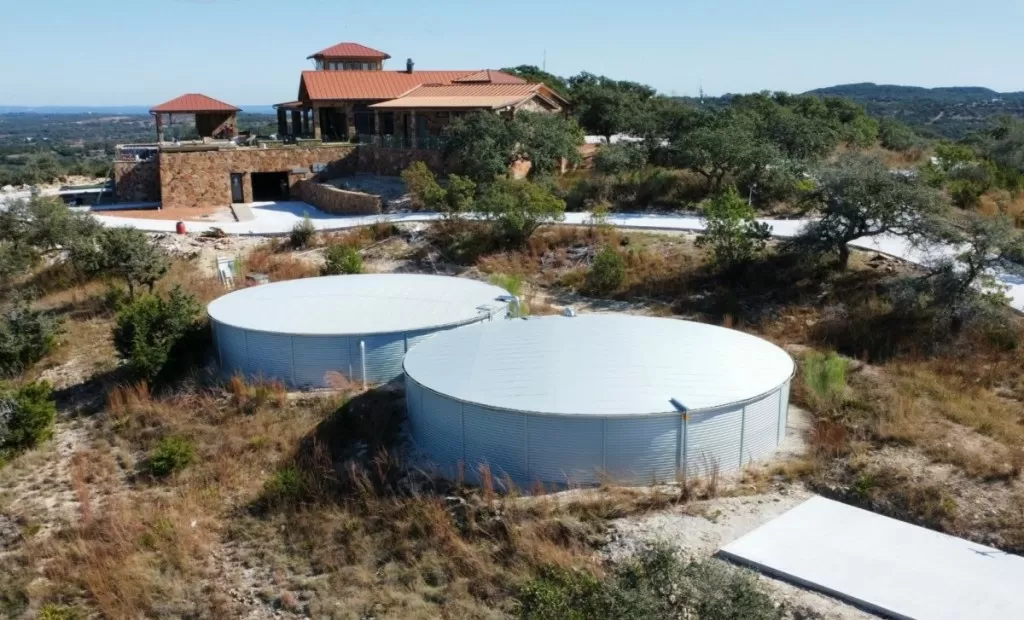
Rainwater harvesting is a sustainable and eco-friendly practice that has been gaining popularity in recent years. It involves collecting and storing rainwater for various uses, such as irrigation, household chores, and even drinking water. This method not only helps conserve water but also reduces the strain on municipal water resources. In this article, we will delve into the why, how, and what of rainwater harvesting for your home, with insights from our experts.
Why Rainwater Harvesting?
The benefits of rainwater harvesting are numerous, making it an attractive option for homeowners. The primary reason for harvesting rainwater is to reduce the demand for municipal water supply. This, in turn, can help reduce the strain on water resources and prevent water scarcity in areas with limited access to water. Additionally, rainwater is free of cost and does not contain any chemicals or additives, making it safe for various uses.
Moreover, rainwater harvesting can also help reduce your water bill, as you will be using free water for tasks such as watering your garden or flushing toilets. This can lead to significant savings in the long run. Another benefit is that rainwater harvesting can help reduce erosion and flooding in your area by diverting rainwater away from your property.
How to Harvest Rainwater?
The process of rainwater harvesting involves collecting rainwater from rooftops, gutters, and other surfaces, and storing it for later use. The most common method is to install a rainwater harvesting system, which consists of a collection system, storage tank, and distribution system.
The collection system includes gutters and downspouts that are connected to the storage tank. The tank can either be above or below ground, depending on the available space and your needs. It is recommended to have a filter at the entry point of the tank to remove any debris and contaminants. The distribution system involves pipes and pumps that carry the collected water to where it is needed.
It is essential to note that the size of your storage tank will depend on the amount of rainfall in your area and your water needs. A professional can help determine the appropriate size for your household.
What Can Rainwater be Used For?
Rainwater can be used for various purposes, depending on the quality of the water and the type of system installed. Untreated rainwater is suitable for outdoor uses, such as watering plants, filling pools, and washing cars. However, if you want to use rainwater for indoor purposes, it is recommended to treat it before use.
Treatment options include using a filtration system or a UV disinfection system to remove any impurities and bacteria. Treated rainwater can then be used for household chores like laundry, flushing toilets, and even for drinking and cooking, with proper testing and treatment.
Is Rainwater Harvesting Suitable for Every Home?
While rainwater harvesting is a viable option for most homes, it may not be suitable for every property. Factors such as the amount of rainfall in your area, the size of your property, and local regulations may affect the feasibility of installing a rainwater harvesting system.
It is crucial to consult with a professional to assess the suitability of rainwater harvesting for your home. They can also provide guidance on the type of system that best fits your needs and budget.
In Conclusion
Rainwater harvesting is a sustainable and cost-effective solution that can benefit both homeowners and the environment. By reducing the demand for municipal water supply, it helps conserve water resources and promotes self-sufficiency. With proper installation and maintenance, rainwater harvesting can provide a reliable source of water for various uses.
If you are considering rainwater harvesting for your home, consult with our experts for guidance and advice. They can help you make an informed decision and ensure that your system is installed correctly. Let’s work together towards a greener and more sustainable future.