
Struggling with a clogged sink can be a frustrating and messy experience. Whether it’s in your kitchen or bathroom, a clogged sink can disrupt your daily routine and cause inconvenience. But fear not, there are expert-approved methods to unclog your sink and keep your drain clog-free. In this article, we will share 10 tips to help you unclog your sink safely, avoid costly mistakes, and prevent future blockages.
1. Use a Plunger
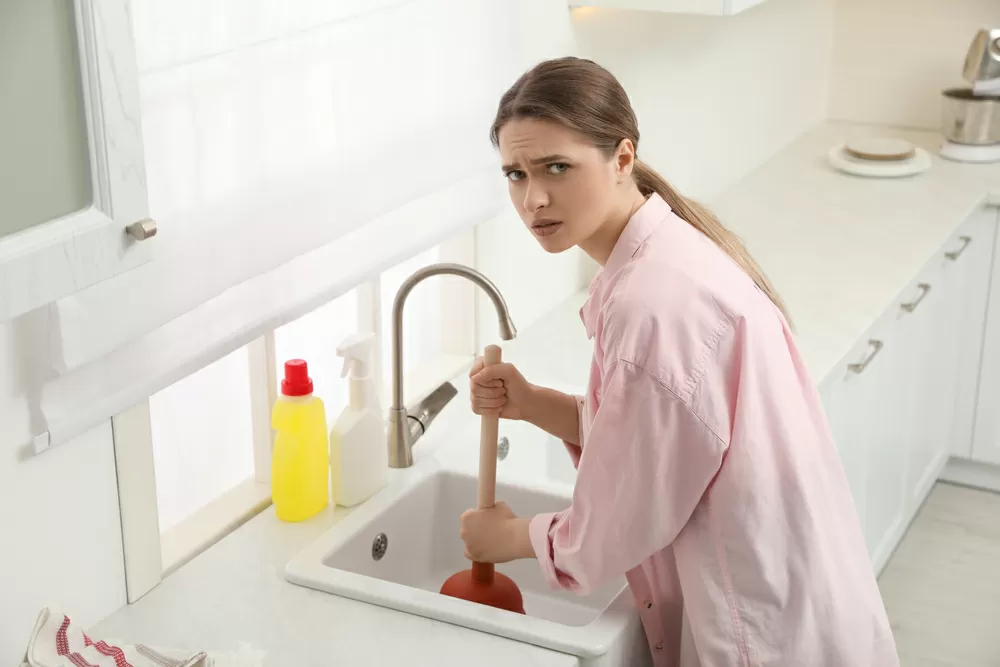
A plunger is a simple and effective tool for unclogging sinks. Place the plunger over the drain and push it up and down vigorously. This will create suction and dislodge the clog. Make sure to cover the overflow opening with a wet cloth to ensure maximum suction. Repeat this process a few times until the water starts to drain.
2. Try a Drain Snake
If the plunger doesn’t work, a drain snake can be your next best option. This tool is designed to reach deep into the pipes and break up the clog. Insert the drain snake into the drain and twist it while pushing it in. Once you feel resistance, pull it out and repeat the process until the clog is cleared.
3. Use Baking Soda and Vinegar
This natural and chemical-free method is a popular DIY solution for unclogging sinks. Start by pouring half a cup of baking soda into the drain, followed by half a cup of vinegar. Let it sit for 15 minutes, then pour hot water down the drain to flush out the clog.
4. Hot Water and Dish Soap
If you have a grease clog, hot water and dish soap can do the trick. Boil a pot of water and mix in a few tablespoons of dish soap. Pour the mixture down the drain and let it sit for a few minutes. The hot water will melt the grease and the soap will help break it down, allowing it to flow down the drain.
5. Use a Wet and Dry Vacuum
If you have a wet and dry vacuum, you can use it to unclog your sink. Set the vacuum to the wet setting and cover the vent to create suction. Place the hose over the drain and turn on the vacuum. The suction will pull out the clog and clear the drain.
6. Try a Chemical Drain Cleaner
Chemical drain cleaners can be effective in unclogging sinks, but they can also be harmful to your pipes and the environment. If you choose to use a chemical drain cleaner, make sure to follow the instructions carefully and use protective gear.
7. Clean the P-Trap
The P-trap is the curved pipe under your sink that traps debris and prevents it from going down the drain. Over time, this trap can become clogged with hair, food particles, and other debris. Place a bucket under the P-trap and unscrew it to remove any clogs. Clean it out and screw it back in place.
8. Use a Wire Hanger
If you don’t have a drain snake, a wire hanger can be a handy alternative. Straighten out the hanger and create a small hook at one end. Insert it into the drain and use the hook to pull out any hair or debris that may be causing the clog.
9. Prevent Future Clogs
Prevention is always better than cure. To avoid future clogs, make sure to dispose of food scraps properly, use a drain cover to catch hair, and avoid pouring grease down the drain. Regularly cleaning your sink and pipes can also help prevent clogs.
10. Call a Professional
If all else fails, it’s best to call a professional plumber. They have the expertise and tools to unclog your sink safely and effectively. They can also identify any underlying issues that may be causing frequent clogs.
In conclusion, a clogged sink can be a nuisance, but with these 10 expert-approved methods, you can easily unclog your sink and keep your drain clog-free. Remember to always use caution and follow safety measures when dealing with clogs. And don’t hesitate to call a professional if you’re unsure or unable to unclog the sink yourself. With these tips, you can say goodbye to clogged sinks and hello to a smoothly running drain.