
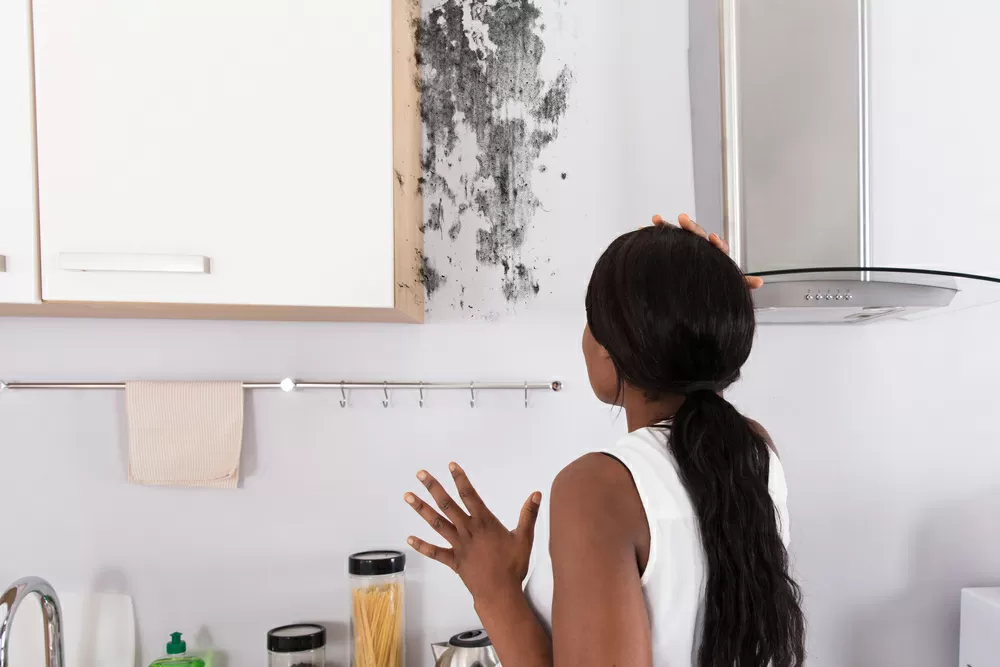
Are you worried about black mold in your home? You’re not alone. Black mold is a common household problem that can have serious consequences for your health and the structural integrity of your home. However, with proper knowledge and precautionary measures, you can effectively protect yourself and your home from this harmful substance. In this article, we will walk you through 28 expert tips on how to test for black mold, identify it, and safely remove it from your home.
1. Know the Signs of Black Mold
The first step in protecting yourself and your home from black mold is to understand its signs and symptoms. Black mold is a type of fungus that thrives in damp and humid environments and is typically dark green or black in color. Some common signs of black mold include a musty odor, water stains, and visible spores.
2. Be Aware of its Dangers
Black mold can release harmful toxins into the air, leading to various health issues like respiratory problems, allergic reactions, and even neurological damage. It can also cause structural damage to your home, leading to costly repairs. Hence, it is crucial to take black mold seriously and act promptly if you suspect its presence in your home.
3. Conduct Regular Inspections
Routine inspections can help you catch black mold at an early stage, preventing it from spreading and causing significant damage. Inspect dark and damp areas of your home, such as basements, attics, and crawl spaces. Don’t forget to check for leaks in your plumbing and roof, as they can create the perfect conditions for black mold growth.
4. Use a Black Light
Black light or UV light is an effective tool to detect black mold. Turn off all the lights in the room and shine the black light on the walls, ceiling, and floors. If you see any green or yellowish glow, it could be an indication of mold growth.
5. Conduct a DIY Test
If you suspect black mold in your home, you can conduct a DIY test using a mold testing kit. These kits are easily available in home improvement stores and come with detailed instructions on how to collect samples and interpret the results. However, these tests may not be as accurate as professional testing, so it is best to seek expert help if you have any doubts.
6. Consider Professional Testing
If you have a large or persistent mold problem, it is best to seek professional testing. Mold experts have the necessary tools and knowledge to detect and identify black mold accurately. They can also determine the extent of the infestation and recommend the appropriate course of action.
7. Test Air Quality
Black mold can also be present in the air without any visible signs. Indoor air quality testing can help identify any hidden mold spores in your home. If the test results come back positive, you’ll need to take immediate action to eliminate the mold and improve your home’s air quality.
8. Check for Hidden Mold
Mold can sometimes grow in hidden places, such as behind walls, underneath carpets, and inside ductwork. If you suspect hidden mold, you may have to remove the affected surface to fully eliminate the mold problem.
9. Identify the Type of Mold
There are several types of mold, and not all of them are harmful. However, it is essential to know the type of mold in your home to determine the appropriate removal method. Black mold, also known as Stachybotrys chartarum, is one of the most dangerous types of mold and requires immediate attention.
10. Hire a Professional for Removal
Removing black mold is a delicate and potentially hazardous process that requires specialized equipment and protective gear. It is best to hire a professional mold removal company to ensure the safe and effective removal of black mold from your home.
11. Seal Affected Areas
Before starting the removal process, it is crucial to seal off the affected area to prevent the mold spores from spreading to other parts of your home. Cover all vents, doors, and windows with plastic sheets and tape.
12. Wear Protective Gear
Handling black mold requires proper protective gear, including a face mask, goggles, gloves, and a full-body suit. This will prevent you from inhaling or coming in direct contact with the mold spores.
13. Use Proper Cleaning Techniques
To remove black mold effectively, use a mild detergent solution and a scrub brush to clean the affected surface. Avoid using bleach, as it can actually feed the mold and make the problem worse.
14. Discard Por