
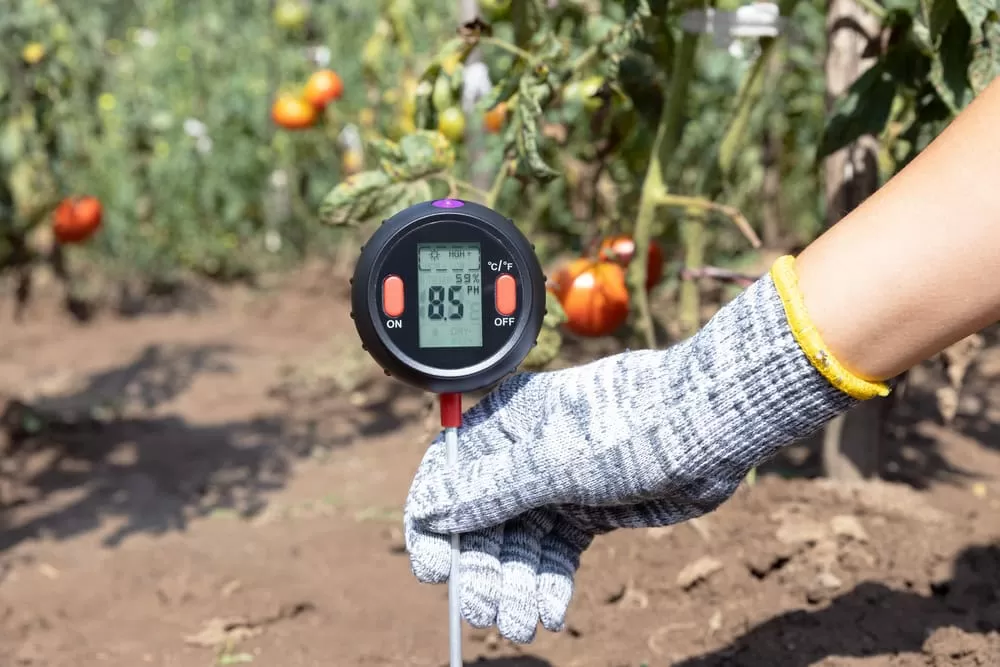
How to Lower Soil pH: A Guide for Healthier Gardens and Lawns
Maintaining the right pH level in your garden soil is crucial for the health and growth of your plants. A pH level that is too high or too low can lead to nutrient deficiencies, stunted growth, and even plant death. If you notice your plants are struggling to thrive, it may be time to check the pH level of your soil.
In this guide, we will discuss the importance of soil pH, how to test your soil, and various methods to lower the pH level. Whether you prefer natural or chemical methods, we have you covered. By following these expert tips and avoiding common mistakes, you can create a thriving garden and lawn that will be the envy of your neighborhood.
Understanding Soil pH
Soil pH is a measure of the acidity or alkalinity of the soil. It is measured on a scale of 0 to 14, with 7 being neutral. A pH level below 7 is considered acidic, while a pH level above 7 is alkaline. Most plants prefer a slightly acidic soil with a pH level between 6 and 7.
The pH level of your soil can be affected by various factors such as the type of soil, climate, and the plants you are growing. For example, sandy soils tend to be more acidic, while clay soils are more alkaline. Additionally, some plants, like blueberries and azaleas, thrive in acidic soil, while others, like lilacs and clematis, prefer alkaline soil.
Why Lower Soil pH?
Lowering the pH level of your soil is necessary for certain plants to absorb essential nutrients. When the pH level is too high, some nutrients become unavailable to plants, leading to deficiencies. For example, iron and manganese are less available in alkaline soil, which can cause yellowing of leaves and stunted growth in plants.
Lowering the pH level can also improve the overall health of your plants. It creates a more favorable environment for beneficial microorganisms that help break down organic matter and release nutrients for plants to absorb. Additionally, acidic soil can help prevent the growth of harmful bacteria and fungi.
How to Test Your Soil pH
Before you start adjusting the pH level of your soil, it is essential to test it first. You can purchase a soil testing kit from your local garden center or send a sample to a soil testing laboratory. The kit will provide you with a color-coded chart to determine the pH level of your soil.
To take a soil sample, dig a small hole in your garden, about 6-8 inches deep. Take a handful of soil from different areas of your garden and mix them together in a clean container. Remove any debris or rocks and let the soil dry before testing.
Once you have your results, you can determine if your soil needs to be adjusted. If the pH level is above 7, it is considered alkaline, and if it is below 6, it is acidic.
Natural Methods to Lower Soil pH
If you prefer to use natural methods to lower the pH level of your soil, there are a few options available.
1. Add Organic Matter: Adding organic matter, such as compost, peat moss, or manure, can help lower the pH level of your soil. These materials are slightly acidic and will gradually lower the pH level over time.
2. Use Coffee Grounds: Coffee grounds are an excellent source of nitrogen and can help lower the pH level of your soil. Simply sprinkle them around your plants or mix them into the soil.
3. Apply Sulfur: Sulfur is a natural element that can lower the pH level of your soil. It works by converting into sulfuric acid when it comes into contact with water. You can apply sulfur to your soil in the form of pellets or powder.
Chemical Methods to Lower Soil pH
If you need a quicker and more precise way to lower the pH level of your soil, you can use chemical methods.
1. Use Aluminum Sulfate: Aluminum sulfate is a common chemical used to lower soil pH. It works by releasing aluminum ions, which react with water to form sulfuric acid. It is recommended to apply aluminum sulfate in the fall or early spring.
2. Apply Elemental Sulfur: Elemental sulfur is another chemical that can lower the pH level of your soil. It takes longer to work than aluminum sulfate, but it is more effective in the long run. It